Oatmeal is one of the most popular breakfast choices for good reason. It is affordable, filling, and naturally rich in fiber. Yet not all oats are processed the same way, and that difference can influence how steadily your energy rises after breakfast and how comfortable your digestion feels later in the day. Understanding these variations helps you choose the oat type that best supports your daily wellness goals.
Why Processing Matters
Oats begin as whole oat groats, the intact kernel of the grain. Processing changes the size of the grain, how much surface area is exposed, and how quickly the body can break down its starches. In general, the less a grain is processed, the more intact its structure remains, and the slower its carbohydrates tend to be digested. This is one reason processing level is so relevant to blood sugar response and lasting satiety.
Common Oat Varieties Explained
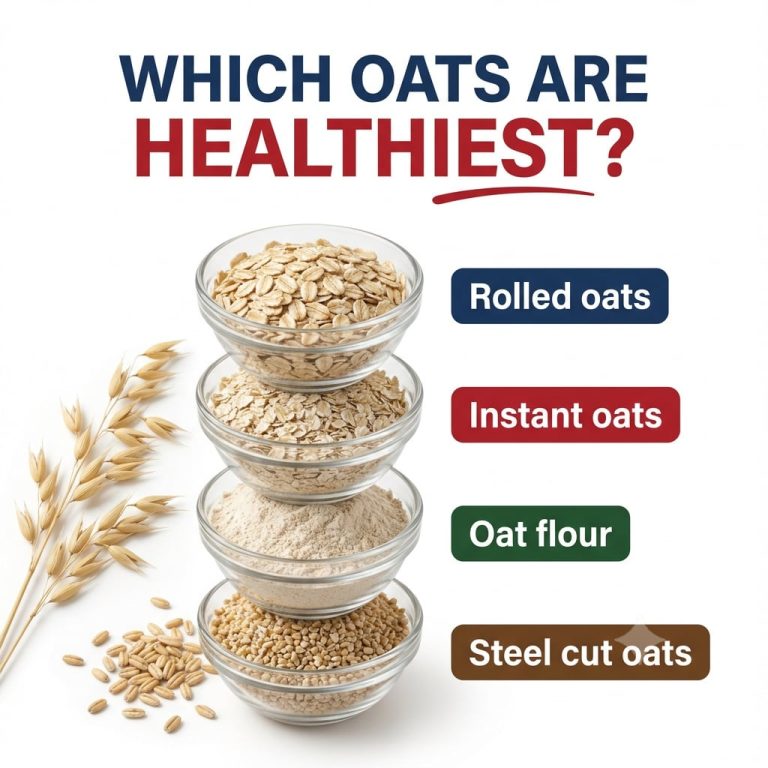
- Steel-cut oats: Groats chopped into small pieces. They have a chewy texture, a nutty flavor, and typically the slowest digestion rate among common varieties.
- Rolled oats: Groats steamed and flattened. They cook in about five to ten minutes and remain a balanced choice for everyday breakfasts.
- Quick oats: Rolled oats that are cut finer and flattened more thinly. They cook faster but may be digested more quickly.
- Instant oats: Pre-cooked, very thin, and often sold in flavored packets. They are the most processed type and can contain added sugars or sodium, so checking labels is important.
How Each Type Supports Your Energy
Slower-digesting oats release glucose gradually, which may help you feel full and focused for longer. This makes steel-cut and rolled oats strong options for people who want sustained energy through a busy morning. Quick and instant oats can still be part of a healthy diet, but pairing them with protein, such as Greek yogurt or nuts, and fresh fruit can help balance their effect on energy.
Digestion and Gut Health
Oats contain beta-glucan, a soluble fiber that supports digestive health and is associated with heart health when included as part of a balanced diet. Because all oat types retain much of their fiber content, the variety you choose matters less for total fiber than for texture and digestion speed. Many readers find that less processed oats feel more satisfying, while others prefer the creamy consistency of rolled oats for easy digestion.
Practical Tips for Your Grocery Trip
- Look for oats labeled 100 percent whole grain with no added sugars.
- Choose plain varieties and add your own cinnamon, berries, or chia seeds for flavor.
- If you cook in batches, rolled oats are a convenient middle ground between speed and nutrition.
- Store oats in an airtight container away from heat and moisture to preserve freshness.
The Bottom Line
There is no single oat variety that suits everyone. If you value slow, steady energy, steel-cut or rolled oats are excellent choices. If time is limited, quick oats can work well with smart add-ins. Whichever you choose, focus on whole-grain options with minimal added sugar, and build a breakfast that includes protein, fiber, and healthy fats for lasting wellness.
Which type of oats is your morning go-to? Share your experience in the comments, and save this guide for your next grocery trip.