Most people walk past wild rose bushes in autumn without noticing the fruit. The bright orange-red rose hips that remain after the first frost are exactly what experienced foragers collect for a deep ruby syrup that tastes tart, fruity, and warm.
This guide covers what rose hips are, what you need, the step-by-step method, how to store your syrup, and the mistakes that most often ruin a batch.

What Is Rose Hip Syrup?
Rose hips are the fleshy seed pods that form after a rose flower has finished blooming. They are naturally high in vitamin C, but that vitamin is sensitive to heat, light, and long storage, so the way you handle them matters. Syrup is one of the simplest ways to keep their tart flavor for winter drinks, pancakes, and desserts.
Ingredients
- 500 g fresh rose hips, ideally after a light frost
- 1 liter of clean water
- 250 to 300 g granulated sugar, or honey added after cooling
- 1 tablespoon lemon juice (optional, for brightness)
Approximate Measurements
This recipe yields roughly 500 to 600 ml of finished syrup. Use one part juice to one part sugar by weight for a stable, shelf-friendly result.
Formula and Recipe
The basic ratio is 500 g rose hips to 1 liter water, then 1 part strained juice to 0.5 part sugar. Adjust sweetness to taste, but keep the sugar level high enough to help the syrup last in the refrigerator.
Step-by-Step Method
- Rinse the rose hips in cold water and remove any leaves, stems, and dark or soft fruit.
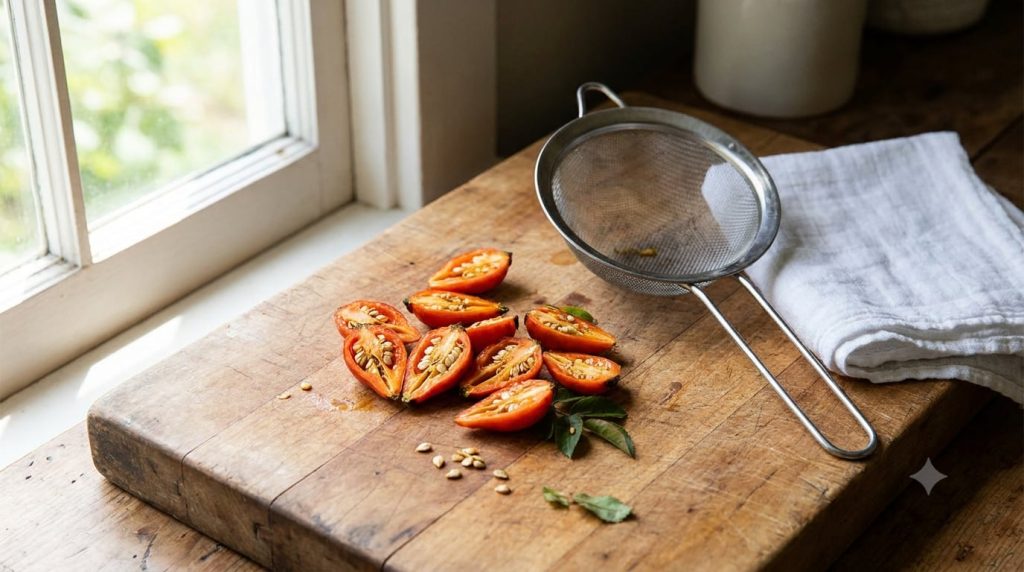
- Cut each hip in half lengthwise and scrape out the seeds and fine hairs with a small spoon. The hairs can irritate the throat and skin, so remove them thoroughly.
- Place the prepared hips in a pot with 1 liter of water. Bring to a gentle simmer and cook for about 15 to 20 minutes. Do not boil hard.
- Turn off the heat and let the mixture steep for 10 minutes.
- Strain through a fine sieve lined with muslin or a clean cloth. Let it drip without squeezing too hard, which keeps the syrup clearer.
- Measure the strained liquid. Return it to the pot with sugar at a 1:0.5 ratio by volume, or about 250 to 300 g sugar per 500 ml juice.
- Heat gently, stirring until the sugar dissolves. Simmer for 3 to 5 minutes, then add lemon juice if you want a sharper taste.
- Pour into clean, sterilized glass bottles while still warm, seal, and label with the date.
How to Use It
Stir one to two teaspoons into hot water or herbal tea, drizzle over yogurt or oatmeal, or use it as a tart base for pancakes and sparkling water. Start with small amounts to see how it suits your taste.
How Often to Use It
Most people enjoy a small serving a few times per week as part of a varied diet. There is no need to take large amounts. Treat it as a flavorful addition rather than a daily requirement.
How to Choose Rose Hips
Pick hips that are firm, bright orange-red, and free of black spots or mold. Avoid roadside bushes and areas where plants may have been sprayed. Wash everything well, even if it looks clean.
Fresh vs Dried Rose Hips
| Type | Best Use | Shelf Life |
|---|---|---|
| Fresh after frost | Syrup, jam, tea | 2 to 3 days refrigerated before processing |
| Dried | Tea and infusions | Up to 12 months in an airtight jar |
| Finished syrup | Drinks and desserts | About 3 months refrigerated after opening |
Storage
Keep sealed bottles in a cool, dark place until opened, then refrigerate. For longer storage, pour syrup into ice cube trays and freeze, then transfer the cubes to a labeled bag.
Practical Tips
Quick Tip: Frost sweetens the hips slightly, so wait until the first cold nights if your bushes are still green.
Did You Know? Rose hips contain small hairs around the seeds that can irritate the skin and throat, which is why careful cleaning is essential.
Common Mistakes
- Using damaged, moldy, or dark fruit, which gives a dull taste.
- Boiling too hard, which can drive off flavor and destroy more vitamin C.
- Skipping the seed and hair removal step.
- Foraging near roads or treated areas.
- Storing finished syrup in unsterilized jars or wet containers.
Cautions and Who Should Avoid It
Rose hip syrup is generally a food product, but it is high in natural acids and sugar. People managing diabetes, people with sensitive digestion, and anyone with known allergies to roses should use it with care or ask a healthcare professional first. Children should only have small amounts.
Quick Summary
- Best preparation: gentle simmer, strain well, then sweeten at roughly 1:0.5 ratio.
- Best use: drinks, breakfast toppings, and light desserts.
- Storage: refrigerate after opening, or freeze in cubes.
- Avoid: moldy fruit, hard boiling, and unclean foraging spots.
Frequently Asked Questions
Can I use fresh or dried rose hips?
Yes. Fresh hips give a brighter flavor, while dried hips work well for tea but need rehydrating before syrup making.
How long does homemade syrup last?
Expect about 3 months in the refrigerator after opening. Freezing extends this considerably.
Can I refrigerate it?
Yes, always refrigerate after opening and use clean spoons to avoid contamination.
Can I freeze it?
Yes. Ice cube trays are a convenient way to portion it.
Can I reuse the leftover pulp?
Pulp is less flavorful, but it can be dried and used for a mild tea or added to compost.
When should I avoid it?
Avoid it if you have a rose allergy, are sensitive to acidic foods, or cannot confirm that your foraged hips are clean.
Conclusion
Wild rose hip syrup is a practical, low-cost way to turn autumn foraging into a useful kitchen staple. With careful cleaning, gentle cooking, and proper storage, you can enjoy a ruby syrup all winter.
You may also like: Read more about drying herbs at home.
Continue with: See the full guide to homemade fruit syrups.