Homemade beauty projects have become a favorite pastime for many people who enjoy simple routines and everyday ingredients. Viral beauty cubes are one trend that has caught attention, combining colorful bowls, fresh produce, and a playful presentation. In this guide, we take a friendly, practical look at the idea behind these cubes so you can decide whether a DIY version fits your routine.
What Are Beauty Cubes?
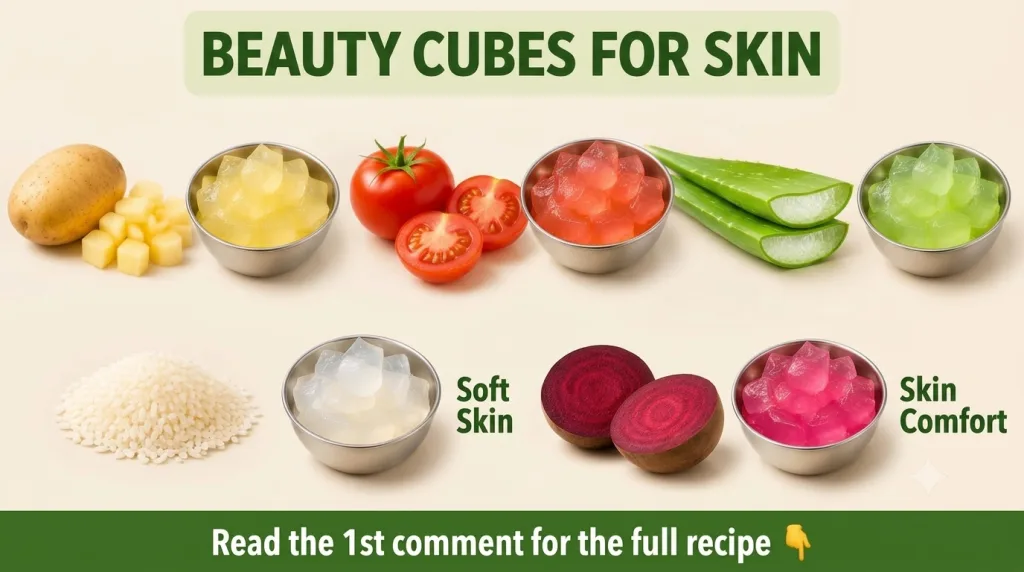
Beauty cubes are a DIY concept where simple ingredients are blended into small, firm pieces that are easy to store and use. The trend often features bright colors, each paired with a different ingredient theme. Because the idea spreads quickly on social media, it is worth looking at the basics before following any version you see online.
Common Natural Ingredients You Might See
Many homemade beauty recipes rely on everyday produce and plant ingredients. Here are some you may come across:
- Aloe vera: Known for its soothing gel and popular in simple home skincare routines.
- Potato: Often used in traditional home remedies for the skin.
- Tomato: A fresh fruit that many people add to DIY face recipes for its bright, juicy base.
- Beetroot: Adds a vivid natural color that makes homemade projects fun to prepare.
- Gelatin or similar setting agents: Helps ingredients hold a firm, cube-like shape.
Understanding Benefit Labels
You may notice labels on viral images such as clear skin, glowing skin, or firmer-looking skin. It is important to read these with a balanced mindset. Home-made recipes are not scientifically tested products, and no homemade cube can promise to remove dark spots, acne, or wrinkles. Think of benefit labels as a creative way of describing the intended look or feel of a recipe, not as a medical guarantee.
Safety Tips Before You Start
- Patch test any new mixture on a small area of skin and wait at least 24 hours before wider use.
- Check every ingredient for allergies, especially fresh produce, honey, and essential oils.
- Use clean bowls, tools, and containers, and store prepared batches in the refrigerator.
- Discard any mixture that smells off, changes texture, or shows mold.
- Stop using any recipe that causes redness, itching, or irritation, and speak with a dermatologist if skin concerns persist.
A Simple Approach to Your Routine
If you enjoy DIY beauty, consider keeping your routine gentle and consistent. Pair natural ingredients with a basic cleanser, a moisturizer that suits your skin type, and daily sun protection. Small, steady habits often matter more than any single trend.
Final Thoughts
Beauty cubes are an interesting example of how natural ingredients and creative presentation can spark curiosity. Approach them as a fun project, test carefully, and focus on what feels comfortable for your skin. If you are looking for the full recipe discussed in the original post, you can find it through the link shared in the first comment of that post.