Constant energy crashes often come down to the carbohydrates we choose at our daily meals. Two foods that look similar on a plate can behave very differently in the body, and the glycemic index, often shortened to GI, is one practical way to understand why.
This article explains what the glycemic index means, how low and high GI foods differ, and how simple everyday swaps may help support steadier energy and long-term wellness.
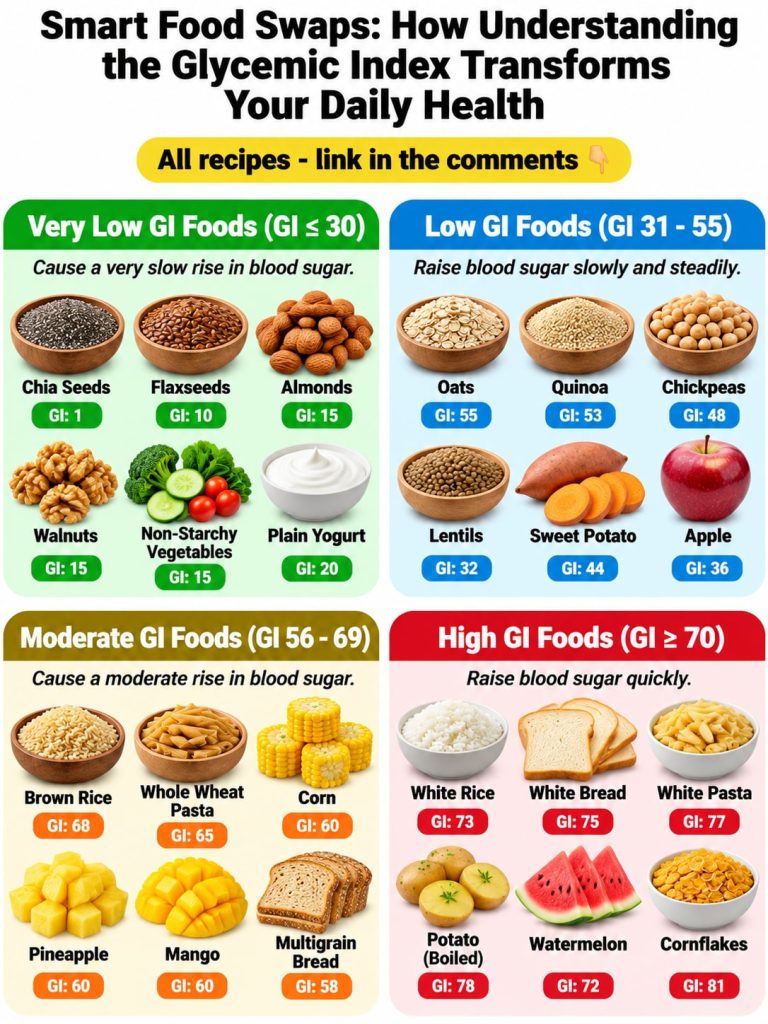
What the Glycemic Index Actually Measures
The glycemic index is a ranking system that describes how quickly a carbohydrate-containing food tends to raise blood sugar after it is eaten. Foods are typically grouped into low, medium, and high GI categories.
Lower GI foods are generally digested and absorbed more gradually, which may lead to a slower and smaller rise in blood sugar. Higher GI foods are often broken down more quickly, which can lead to a faster rise and, for some people, a quicker drop afterward.
It is worth remembering that the glycemic index describes the carbohydrate effect of a food on its own. How a food is cooked, how ripe it is, and what it is eaten with can all influence the overall response.
Why Energy Crashes Can Be Linked to Carbohydrate Choices
Many people notice that they feel sharp and focused for a while after a meal, then tired or hungry again a short time later. Meals built around fast-digesting carbohydrates may contribute to this pattern for some individuals.
Choosing carbohydrates with a lower glycemic effect is one way to help keep energy levels more even throughout the day. The goal is not to remove carbohydrates, but to choose them with more intention.
Simple Food Swaps That Fit Everyday Life
The most useful approach is small, realistic changes rather than strict rules. Swapping one high GI choice for a lower GI option at a single meal can be a manageable place to start.
- Look at the carbohydrate in each meal. Identify the main carbohydrate source, such as a grain, starchy food, or sweet snack, and consider whether a lower GI version is available.
- Choose less processed options when possible. Whole or minimally processed carbohydrates tend to digest more slowly than heavily refined versions.
- Pair carbohydrates with protein, fiber, or healthy fats. Combining foods within a meal can help slow digestion and support a steadier response.
- Make one swap at a time. Consistency over several weeks is more sustainable than changing everything at once.
How to Make Swaps Stick
Building new habits works best when they fit your routine. Keep a few lower GI staples on hand, plan breakfast and lunch in advance, and pay attention to how your energy feels after different meals.
Small adjustments add up over time. Many people find that these everyday choices become second nature once they understand how their meals are working for them.
Final Thoughts
Understanding the glycemic index gives you a simple framework for making smarter carbohydrate choices. By learning the difference between low and high GI foods and making practical swaps, you may be able to support steadier energy and long-term wellness in a way that fits your everyday life.
If you have questions about your blood sugar, diabetes risk, or a specific dietary plan, speak with a qualified healthcare professional before making significant changes. Share your own favorite food swap in the comments and tell us which change you plan to try first.
Medical disclaimer: This article is for general educational purposes only and is not a substitute for professional medical advice, diagnosis, or treatment.