Few things catch the eye like a bold headline promising to erase grey hair with a simple kitchen-style powder. If you have seen a post like this and wondered whether a DIY powder mix can really do what it claims, you are not alone. This guide takes a calm, practical look at the idea behind these mixes, what natural ingredients can and cannot do, and how to approach them safely.
Why Natural Powder Mixes Are So Popular
Many people enjoy beauty routines built on everyday ingredients. Powder mixes appeal because they are affordable, easy to store, and simple to prepare. They also fit the growing interest in natural hair care, where people want fewer chemicals and more control over what touches their scalp.
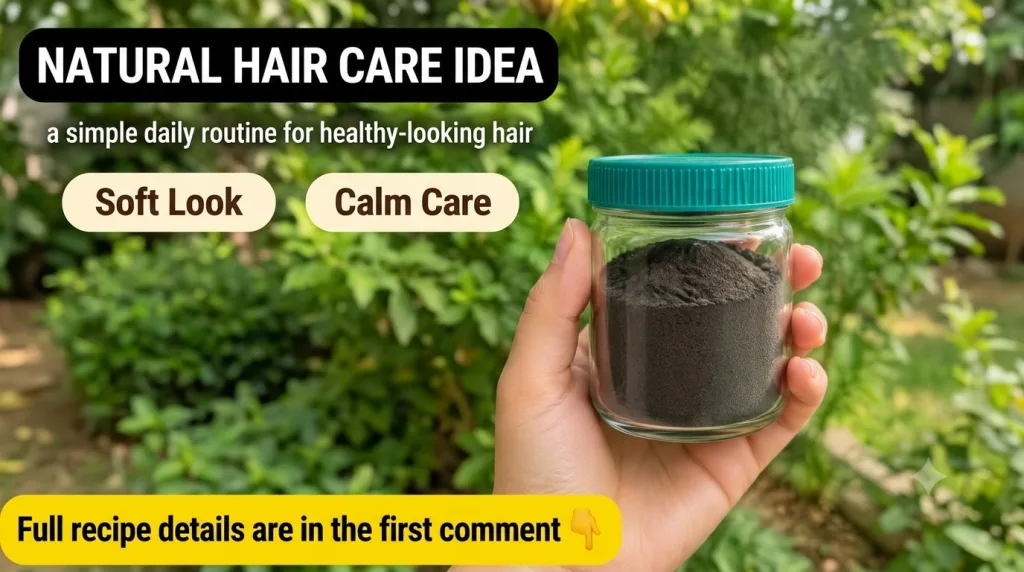
Plant-based powders such as henna, indigo, amla, and cassia are traditionally used for hair conditioning and gentle tinting. These ingredients can add shine, coat the hair shaft, and leave a warm tone on some hair types, which is why they show up so often in DIY recipes.
What Natural Ingredients Can Realistically Do
It is important to set honest expectations. Grey and white hair lose their natural pigment as hair follicles change with age, and no kitchen powder has been proven to restore that pigment or permanently turn white hair black. Anyone promising a complete reversal overnight is making a claim that goes beyond what current evidence supports.
- Plant-based powders may temporarily coat the hair and reduce the look of brassy or dull strands.
- Some natural tints can add a soft tone, but results vary widely by hair texture, porosity, and starting color.
- Gentle conditioning can make hair look smoother and more even, which many people notice first.
- Patch testing matters, because natural does not always mean free of allergic reactions.
A Gentle, Safe Approach to Try at Home
If you want to experiment with a natural powder mix, keep the process simple and cautious. Start with a small test strand or a hidden section of hair, and wait at least 48 hours to check for any itching, redness, or irritation. Mix only the amount you need, use clean tools, and follow the instructions from a trusted source rather than a single viral post.
- Choose a single, well-known plant powder and check its ingredient list for additives.
- Mix a small batch with warm water or a conditioner base until it reaches a smooth, spreadable consistency.
- Apply to a small test section, leave for the time recommended by the product or trusted guide, then rinse.
- Observe the color, texture, and scalp comfort over several days before repeating.
When to Talk to a Professional
If you notice scalp pain, sudden hair loss, or strong reactions, stop using the mix and speak with a dermatologist or a qualified hair professional. They can also help you explore safer, more predictable options for covering grey, such as professional color or low-ammonia products, if natural powders do not give you the look you want.
The Bottom Line
Natural powder mixes can be a fun, budget-friendly part of a self-care routine, especially when you enjoy DIY beauty and want to learn about plant ingredients. Just treat them as gentle conditioning or temporary tinting, not as a guaranteed cure for white hair. Save this guide for reference, test carefully, and enjoy the process of finding what works best for your hair.