For years, breakfast has been hailed as ‘the most important meal of the day,’ a non-negotiable step to kickstart your metabolism and fuel your morning. But is this age-old wisdom truly backed by science? Or are some of our beliefs about breakfast just popular myths?
In a world of evolving nutrition research and diverse lifestyles, it’s time to take a closer look at what a ‘healthy breakfast’ truly means and how it fits into *your* well-being. This article will debunk common breakfast myths, explore the science, and help you understand how to approach your morning meal in a way that truly benefits you.
Debunking Common Breakfast Myths
Let’s separate fact from fiction when it comes to the morning meal.
Myth 1: Breakfast is the Most Important Meal for Everyone
The Truth: While breakfast can be beneficial for many, it’s not a universal rule. The importance of breakfast largely depends on individual needs, lifestyle, activity levels, and health goals. For some, a morning meal provides essential energy and nutrients, while others may thrive by delaying their first meal.
Myth 2: Skipping Breakfast Slows Your Metabolism
The Truth: This is a persistent myth. Research indicates that skipping breakfast does not inherently slow down your metabolism. Metabolism is a complex process influenced by many factors, including overall caloric intake, body composition, and activity level. While some studies suggest a link, the primary drivers of metabolic rate are more related to total daily energy balance than the timing of your first meal. Your body is adaptable and can utilize stored energy when you don’t eat first thing in the morning.
Myth 3: You Must Eat Breakfast to Lose Weight
The Truth: Weight management is about overall calorie balance and nutrient intake throughout the day, not strictly about when you eat your first meal. Some studies have shown that skipping breakfast can lead to increased calorie intake later in the day, but other research suggests it doesn’t significantly impact weight loss. What matters most for weight loss is consuming fewer calories than you burn, regardless of whether that includes a morning meal.
Myth 4: Any Breakfast is a Good Breakfast
The Truth: This couldn’t be further from the truth. A sugary donut or a highly processed cereal offers quick energy but often leads to an energy crash and hunger shortly after. The quality of your breakfast plays a crucial role in its impact on your energy levels, satiety, and overall health. Focus on nutrient-dense options to truly reap any potential breakfast benefits.
The Science Behind Breakfast and Metabolism
Your body is incredibly efficient at regulating energy. When you eat, your body processes food for immediate energy or stores it. When you don’t eat, your body can tap into stored glycogen (from carbohydrates) and fat reserves for fuel. The idea that skipping breakfast immediately puts your body into ‘starvation mode’ and halts metabolism is an oversimplification.
Studies on intermittent fasting, where individuals regularly skip breakfast, have shown no detrimental effects on metabolism and, in some cases, have even been linked to improved metabolic markers. The key takeaway is that your body’s metabolic response is more flexible and resilient than previously thought.
Who Benefits Most from Eating Breakfast?
While breakfast isn’t a one-size-fits-all solution, certain individuals and situations often benefit from a morning meal:
- Children and Adolescents: Growing bodies need consistent fuel for development, concentration, and energy levels.
- Active Individuals: Athletes or those with demanding physical jobs often require early fuel to support performance and recovery.
- Individuals with Certain Health Conditions: People managing blood sugar, for example, might find that a balanced breakfast helps stabilize glucose levels throughout the day. Always consult a healthcare professional for personalized advice.
- Those Who Feel Hungry: If you wake up genuinely hungry, listening to your body’s cues and eating is the healthiest approach.

When Skipping Breakfast May Be Appropriate
Conversely, skipping breakfast can be a perfectly healthy choice for many:
- Lack of Hunger: If you don’t feel hungry in the morning, forcing yourself to eat might be counterproductive. Listen to your body’s natural hunger and satiety signals.
- Intermittent Fasting: Some individuals intentionally practice intermittent fasting, where they restrict their eating window, often by skipping breakfast. This can be an effective strategy for some people for various health goals, but it’s important to ensure overall nutritional needs are met during eating windows.
- Lifestyle: A busy schedule or simply personal preference can make skipping breakfast a practical choice. The focus should always be on making healthy, mindful food choices when you do eat.
Crafting Your Ideal Morning Meal: Nutrient-Dense Choices
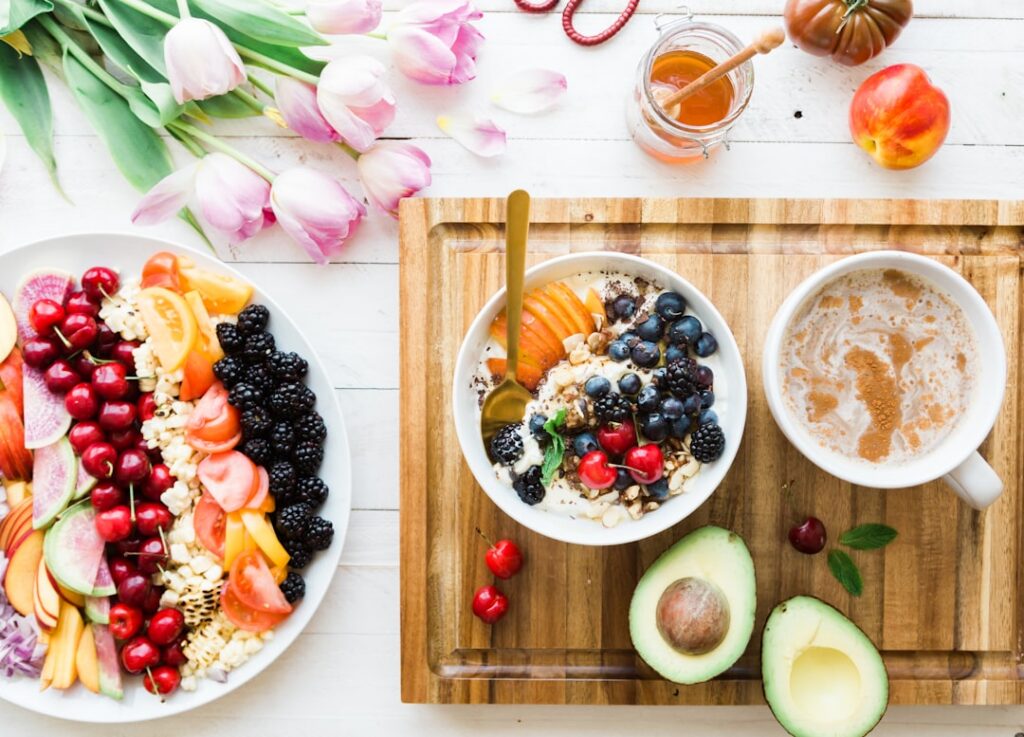
If you choose to eat breakfast, make it count. Focus on nutrient-dense foods that provide sustained energy and satiety. Incorporating elements from Vegan Recipes and focusing on Plant-based Nutrition can provide excellent options.
Protein-Rich Breakfast Ideas (Vegan)
Protein is essential for satiety, muscle maintenance, and steady energy. Excellent vegan sources include:
- Tofu Scramble: Seasoned crumbled tofu with veggies.
- Lentil or Chickpea Pancakes/Crepes: Savory options packed with plant-based protein.
- Protein Smoothie: Blend plant-based protein powder with spinach, berries, and plant milk.
- Nut Butter on Whole-Grain Toast: Pair with sliced banana or apple.
- Overnight Oats with Chia Seeds: Mix with plant milk, a scoop of vegan protein powder, and berries for a complete meal. This is a great option for Meal Prep.
High-Fiber Breakfast Options (Vegan)
Fiber is crucial for digestive health, blood sugar regulation, and prolonged fullness:
- Oatmeal or Porridge: Top with berries, flaxseeds, and nuts.
- Whole-Wheat Toast with Avocado: Add ‘everything bagel’ seasoning or red pepper flakes.
- Chia Pudding: Made with plant milk and topped with fresh fruit.
- Whole-Grain Cereal: Choose low-sugar, high-fiber varieties with plant milk and fruit.
- Fruit and Vegetable Smoothies: Blend leafy greens, berries, and a banana.
Foods to Avoid for Sustained Energy
To prevent energy crashes and maintain stable blood sugar, limit or avoid:
- Sugary Cereals: Often high in refined sugars and low in fiber.
- Pastries and Donuts: High in refined carbohydrates and unhealthy fats.
- Sweetened Yogurts (if not plant-based and high-sugar): Often contain excessive added sugars.
- Processed Breakfast Meats: High in sodium and unhealthy fats.
Tips for Building a Balanced Morning Meal
Whether you’re making Vegan Recipes or just trying to eat better, here’s how to ensure your healthy breakfast is truly beneficial:
- Prioritize Protein: Aim for 15-30 grams to promote satiety and muscle health.
- Include Fiber: Whole grains, fruits, vegetables, nuts, and seeds are excellent sources.
- Add Healthy Fats: Avocado, nuts, seeds, and nut butters provide sustained energy and help absorb fat-soluble vitamins.
- Focus on Whole Foods: Minimize processed ingredients to maximize nutrient intake.
- Hydrate: Don’t forget a glass of water, herbal tea, or coffee alongside your meal.
- Practice Mindful Eating: Pay attention to your hunger and fullness cues. Eat slowly and savor your food.
Conclusion
The conversation around breakfast is far more nuanced than simply deeming it ‘the most important meal.’ Current nutrition research emphasizes personalization, recognizing that the optimal morning routine depends on your unique body, lifestyle, and health goals. There are many breakfast benefits to a well-chosen meal, but skipping it is not inherently detrimental.
By debunking common myths and understanding the science, you can make informed choices that truly support your well-being. Whether you opt for a protein-packed vegan scramble, a fiber-rich bowl of overnight oats, or choose to delay your first meal, the most important thing is to listen to your body and fuel it with nutrient-dense, plant-based foods that make you feel your best.
Frequently Asked Questions About Breakfast
- Is it bad to skip breakfast?
For most healthy adults, skipping breakfast is not inherently bad and does not automatically slow metabolism. It depends on individual needs, hunger levels, and overall dietary quality throughout the day. - What makes a breakfast ‘healthy’?
A healthy breakfast is rich in protein, fiber, and healthy fats, focusing on whole, unprocessed foods like whole grains, fruits, vegetables, nuts, and seeds, offering sustained energy. - Can eating breakfast help with weight loss?
Some studies suggest eating breakfast can help with satiety and prevent overeating later, while others show no significant difference. Weight loss is primarily driven by overall calorie balance and diet quality, not just breakfast timing. - What are good vegan protein sources for breakfast?
Excellent vegan protein sources include tofu, tempeh, lentils, chickpeas, plant-based protein powder, nuts, seeds, and nut butters. - How long after waking should I eat breakfast?
There’s no strict rule. Listen to your body’s hunger cues. Some prefer to eat within an hour of waking, while others wait several hours or practice intermittent fasting.
What are your thoughts on starting the day right? Share your favorite healthy breakfast idea with us below!