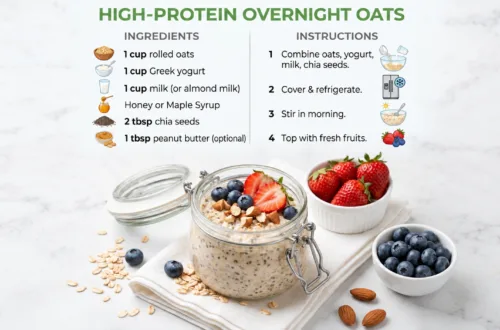
Your Essential 30-Gram Protein Cheat Sheet!
Protein is a vital macronutrient, essential for building and repairing tissues, making enzymes and hormones, and providing a feeling of fullness. Whether you’re an athlete, looking to manage your weight, or simply aiming for a balanced diet, hitting your daily protein goals can make a significant difference in how you feel.
But how much is enough, and what does 30 grams of protein actually look like on your plate? For many, 30 grams per meal is a fantastic target to support muscle maintenance, satiety, and overall health. This handy cheat sheet is designed to show you exactly how to get approximately 30 grams of protein from your favorite everyday foods, making meal planning simpler and more effective!
Why Aim for 30 Grams of Protein Per Meal?
While individual protein needs vary based on factors like age, activity level, and health goals, aiming for around 20-30 grams of protein per meal is a common recommendation for several science-backed reasons:
- Satiety: Protein helps you feel fuller for longer, which can be beneficial for weight management by reducing overall calorie intake.
- Muscle Synthesis: This amount can effectively stimulate muscle protein synthesis, aiding in muscle repair and growth, especially important after exercise.
- Metabolism: Protein has a higher thermic effect of food (TEF) compared to carbohydrates and fats, meaning your body burns more calories digesting it.
Your 30-Gram Protein Go-To List
Here’s a breakdown of common foods and the approximate quantities needed to reach 30 grams of protein. Remember, these are estimates, and actual protein content can vary slightly.
Dairy & Eggs
- Greek Yogurt (Plain, 0% Fat): Approximately 1 cup (227g)
- Cottage Cheese (Low-Fat): Approximately 1 cup (226g)
- Eggs (Large): Around 4-5 large eggs (though a single egg is ~6g, so combining with other sources is common)
- Milk (Cow’s, 2%): Approximately 4 cups (960ml) – often better achieved in smaller servings combined with other proteins.
Meat, Poultry & Fish
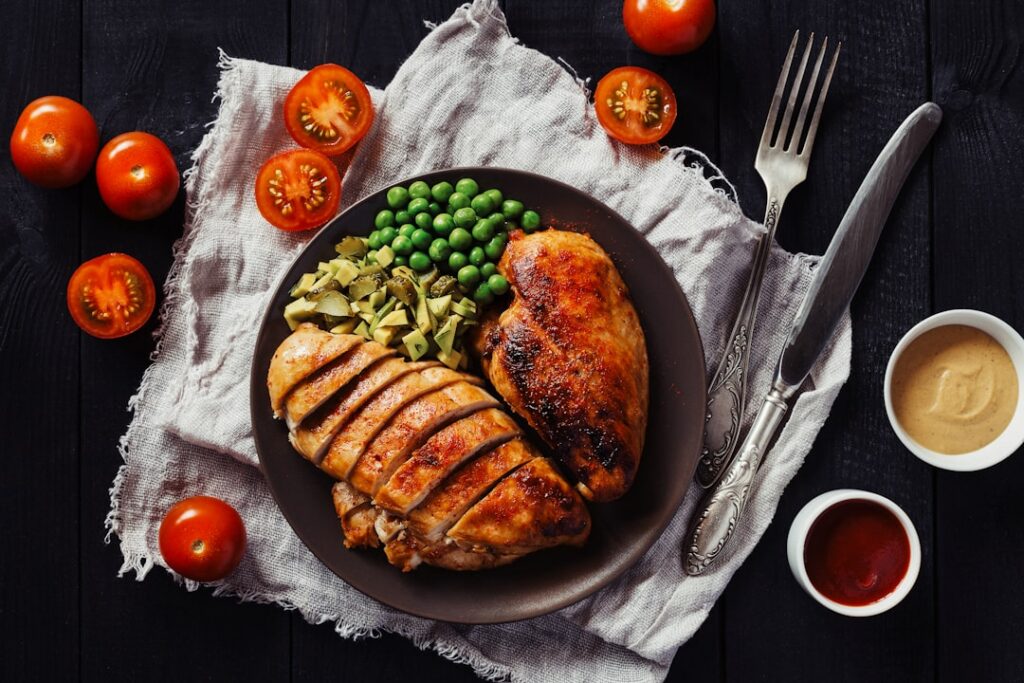
- Chicken Breast (Cooked): About 4 ounces (113g)
- Salmon (Cooked): Roughly 4.5 ounces (128g)
- Lean Beef (Cooked): Approximately 4 ounces (113g)
- Tuna (Canned in Water): About 3.5-4 ounces (100-113g) drained
- Shrimp (Cooked): Around 4.5 ounces (128g)
Plant-Based Powerhouses
- Lentils (Cooked): Approximately 1.5 cups (300g)
- Chickpeas (Cooked): About 1.5 cups (250g)
- Tofu (Firm/Extra Firm): Roughly 6-7 ounces (170-200g)
- Tempeh: Approximately 4-5 ounces (113-140g)
- Edamame (Shelled, Cooked): About 2 cups (320g)
- Black Beans (Cooked): Around 2 cups (340g)
Nuts, Seeds & Grains
While typically not the sole source for 30g due to higher fat/carb content for the quantity, they make excellent protein boosters:
- Almonds: About 1/2 cup (70g) – also high in fat.
- Pumpkin Seeds: Around 1/2 cup (64g) – also high in fat.
- Peanut Butter: Approximately 5-6 tablespoons (80-90g) – very high in fat.
- Quinoa (Cooked): About 3.5 cups (500g) – combines well with other proteins.
Tips for Boosting Protein Intake Throughout Your Day
- Start Strong: Incorporate protein into your breakfast with Greek yogurt, eggs, or a protein smoothie.
- Snack Smart: Choose protein-rich snacks like a handful of almonds, cottage cheese, or a hard-boiled egg.
- Meal Prep: Prepare lean protein sources like grilled chicken or baked salmon in advance to easily add to your meals.
- Mix and Match: Combine different protein sources to ensure you’re getting a full spectrum of amino acids, especially for plant-based diets.
- Prioritize Protein: Make protein the centerpiece of your main meals, then build your vegetables and complex carbohydrates around it.
Important Disclaimer
This information is for educational purposes only and is not intended as a substitute for professional medical advice, diagnosis, or treatment. Always seek the advice of your physician or other qualified health provider with any questions you may have regarding a medical condition or diet plan.
Now that you have your essential protein cheat sheet, you’re ready to make informed choices for your next meal! Save this post for your next meal planning session and take the guesswork out of hitting your protein goals.