Protein Power: What 30g Really Looks Like
Have you ever found yourself wondering how much food it actually takes to get a solid 30 grams of protein? It’s a common question, especially when you’re trying to meet your daily nutritional goals. Protein is a vital macronutrient, essential for everything from building and repairing tissues to making enzymes and hormones. Aiming for around 20-30 grams of protein per meal is often recommended to promote satiety, support muscle health, and maintain steady energy levels throughout the day.
But seeing that number on a nutrition label or a meal plan doesn’t always translate easily to what’s on your plate. That’s why we’ve put together this simple visual guide to help you understand what 30 grams of protein truly looks like across various common food sources. Let’s make hitting your daily protein goals much clearer and more achievable!
Why Aim for 30 Grams of Protein Per Meal?
While individual protein needs vary based on age, activity level, and health goals, many nutrition experts suggest aiming for around 20-30 grams of protein per meal. This amount is often considered optimal for:
- Satiety: Protein helps you feel fuller for longer, which can be beneficial for weight management.
- Muscle Synthesis: It provides the necessary amino acids to repair and build muscle tissue, especially important after exercise.
- Blood Sugar Control: Pairing carbohydrates with protein can help stabilize blood sugar levels, preventing spikes and crashes.
- Metabolism: Protein has a higher thermic effect than fats or carbs, meaning your body burns more calories digesting it.
Your Visual Guide: What 30g of Protein Looks Like
Let’s dive into some popular protein sources and their approximate portions to reach that 30-gram mark:
Animal-Based Protein Sources
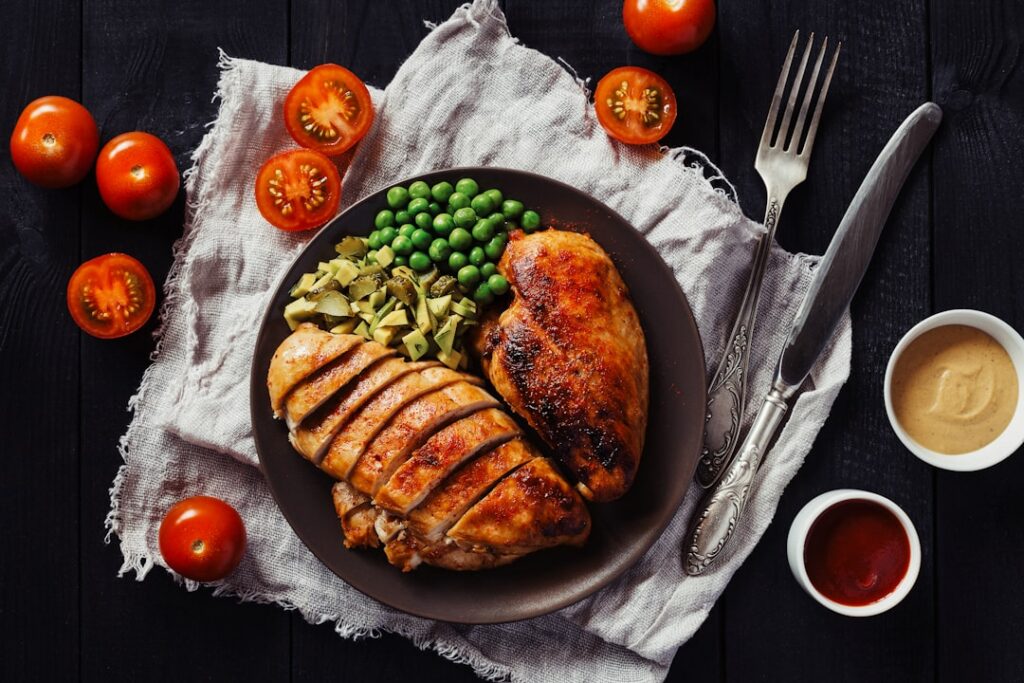
- Chicken Breast: A 4-ounce (approx. 113 grams) cooked chicken breast provides roughly 30-35 grams of protein. This is about the size of a deck of cards or the palm of your hand.
- Salmon: A 4.5-ounce (approx. 128 grams) cooked salmon fillet offers about 30-34 grams of protein, along with healthy omega-3 fatty acids.
- Lean Ground Beef (90% lean): Approximately 4 ounces (approx. 113 grams) cooked can give you around 30 grams of protein.
- Eggs: You’d need about 5-6 large eggs to reach 30 grams of protein (each large egg contains roughly 6 grams).
- Greek Yogurt (Plain, Non-fat): About 1 to 1.5 cups (225-340 grams) of Greek yogurt typically delivers around 20-30 grams of protein, depending on the brand.
Plant-Based Protein Sources
- Lentils: One cup (approx. 198 grams) of cooked lentils provides about 18 grams of protein. So, you’d need closer to 1.5-2 cups to hit the 30g mark, along with a good amount of fiber!
- Tofu (Firm): About 1 cup (approx. 250 grams) of firm tofu contains roughly 20-25 grams of protein. A slightly larger portion or pairing with another protein source would get you to 30g.
- Black Beans: One cup (approx. 172 grams) of cooked black beans offers around 15 grams of protein. Similar to lentils, you’d need a larger serving or a combination.
- Edamame: One cup (approx. 160 grams) of shelled, cooked edamame provides approximately 18 grams of protein.
- Quinoa: While not as protein-dense as other options, 1 cup (approx. 185 grams) of cooked quinoa has about 8 grams of protein. You’d need a much larger portion or to combine it with other protein-rich foods.
Supplements and Other Options
- Protein Powder: Most protein powders (whey, casein, soy, pea, etc.) are designed to deliver a significant amount of protein per scoop. One standard scoop (about 25-30 grams of powder) usually provides 20-25 grams of protein, depending on the brand and type. Always check the nutrition label.
Making Protein Work for You
Understanding these portions can make meal planning much easier. Remember that variety is key to ensure you’re getting a full spectrum of amino acids and other nutrients. Don’t be afraid to mix and match! For example, combine a smaller portion of chicken with some lentils, or add a scoop of protein powder to your Greek yogurt.
Incorporating enough protein into your diet doesn’t have to be complicated. By visualizing these common portions, you can confidently build meals that support your health and wellness goals.
Disclaimer: This article is intended for educational and informational purposes only and is not a substitute for professional medical advice, diagnosis, or treatment. Always seek the advice of your physician or other qualified health provider with any questions you may have regarding a medical condition or before making any dietary changes.