Grandma’s Secret for Glowing Glass Skin: DIY Rice Water Toner
Hey beauty besties! Ever dreamed of having skin so naturally radiant and smooth, it looks like you’re glowing from within? We’re talking about that coveted ‘glass skin’ look – skin that’s intensely hydrated, luminous, and appears almost translucent. You might think it requires a complex, expensive routine, but what if we told you the secret might be hiding in your pantry? We’ve heard whispers of an incredible natural beauty secret passed down through generations, a simple, two-ingredient mix that has kept grandmas looking absolutely flawless for decades.
This isn’t about magical overnight transformations or replacing your favorite professional treatments. Instead, it’s about embracing the power of nature and time-tested traditions to nurture your skin gently. Rice water, a humble ingredient, has been a cornerstone in traditional beauty rituals for centuries, particularly in Asian cultures. It’s affordable, accessible, and packed with natural goodness that can help hydrate, brighten, and soothe your skin, contributing to that healthy, glowing complexion we all desire. Think of it as a nourishing supplement for your skin, working in harmony with your existing routine.
Ready to unlock this age-old secret and integrate a touch of natural elegance into your daily skincare? Let’s dive into the world of DIY rice water and discover how you can create your own homemade elixir for truly beautiful, happy skin!
Table of Contents
- What Is Rice Water?
- The History of Rice Water in Traditional Beauty
- Nutrients Naturally Found in Rice Water
- DIY Rice Water Recipe
- Step-by-Step Preparation
- Fresh vs. Fermented Rice Water
- How to Use Rice Water as a Toner
- How to Use Rice Water as a Face Mist
- General Tips: How to Use Rice Water Effectively
What Is Rice Water?
At its core, rice water is simply the starchy water left over after soaking, cooking, or rinsing rice. For centuries, this milky liquid has been revered in various cultures, not just as a culinary byproduct, but as a treasured beauty ingredient. When rice is processed in water, it releases a bounty of beneficial compounds, creating a nutrient-rich solution. Instead of pouring it down the drain, people discovered its incredible potential for skin and hair health.
It’s an incredibly simple concept with surprising depth. Whether you get it from soaking raw rice or boiling it, the resulting liquid becomes infused with elements that can make a real difference in your skincare routine. It’s a testament to the idea that sometimes the best beauty secrets are the ones that are closest to nature and easiest to create at home.
The History of Rice Water in Traditional Beauty
The use of rice water in beauty is not a fleeting trend; it’s a practice deeply rooted in history, particularly across Asia. For thousands of years, women in countries like Japan, China, and Korea have relied on rice water to maintain their stunning complexions and lustrous hair. It’s a tradition passed down through generations, a testament to its enduring perceived effectiveness.
One of the most famous examples comes from the ancient Japanese court, where ladies of the imperial court were known for their long, beautiful hair, often attributed to rinsing it with rice water. In China, the Red Yao women of Huangluo village, often referred to as the “Long Hair Village,” are renowned for their incredibly long, strong, and dark hair, even into old age. Their secret? Fermented rice water. This practice has kept their hair healthy, vibrant, and remarkably resistant to graying.
Beyond hair, rice water was also used as a facial cleanser and toner to promote a clear, radiant complexion. These traditional uses highlight rice water’s role as an all-encompassing beauty tonic, valued not for quick fixes, but for consistent, gentle care that supported natural beauty over a lifetime. Its continued popularity today, especially with the rise of K-beauty and natural skincare, shows that some ancient wisdom truly stands the test of time.
Nutrients Naturally Found in Rice Water
So, what exactly makes rice water such a fantastic addition to your beauty arsenal? It’s not just plain water! When rice soaks or cooks, it releases a cocktail of beneficial compounds into the liquid. These natural elements are what give rice water its potential to nourish and refresh your skin:
- Vitamins: Rice water contains a good dose of B vitamins (like B1, B2, B3, B6, B9), which are known for their role in cell regeneration and skin health. It also contains Vitamin E, a powerful antioxidant often found in skincare products.
- Antioxidants: These are crucial for protecting your skin from environmental stressors and helping it maintain a youthful appearance. Fermented rice water, in particular, is believed to have higher concentrations of antioxidants.
- Amino Acids: The building blocks of proteins, amino acids are essential for maintaining skin’s hydration, firmness, and overall healthy structure. They contribute to a smoother, plumper look.
- Minerals: Trace minerals present in rice water can offer soothing and nourishing benefits to the skin, helping to calm irritation and support its natural barrier.
- Inositol: This carbohydrate is a standout component, thought to help minimize the appearance of pores, promote cell growth, and slow the aging process of skin cells. It contributes to skin elasticity and a smoother texture.
Together, these elements work synergistically to potentially hydrate your skin, soothe minor irritations, gently brighten your complexion, and give it a healthy, smooth feel. While it’s not a magic potion, consistent use can certainly contribute to a more vibrant and nourished skin appearance.
DIY Rice Water Recipe: Your Path to Radiant Skin
Making rice water at home is incredibly easy, affordable, and gives you full control over the ingredients. You don’t need fancy equipment, just some basic kitchen staples! This recipe focuses on creating a versatile rice water solution that you can use as a toner, face mist, or even a hair rinse.
What You’ll Need:
- ½ cup of organic, uncooked rice (any kind – white, brown, jasmine, basmati. Organic is preferred to avoid pesticides.)
- 2-3 cups of filtered or distilled water (tap water can work, but filtered is better to avoid chlorine or harsh minerals)
- A clean bowl or jar with a lid
- A fine-mesh sieve or cheesecloth
- An empty, clean spray bottle or toner bottle for storage
Remember, the goal is clean and simple. Let’s get started!
Step-by-Step Preparation: Choose Your Method!
There are a few ways to prepare rice water, each with its own benefits. We’ll cover the two most popular and easiest methods: soaking and boiling. Always start by thoroughly rinsing your rice to remove any dirt or impurities before either method.
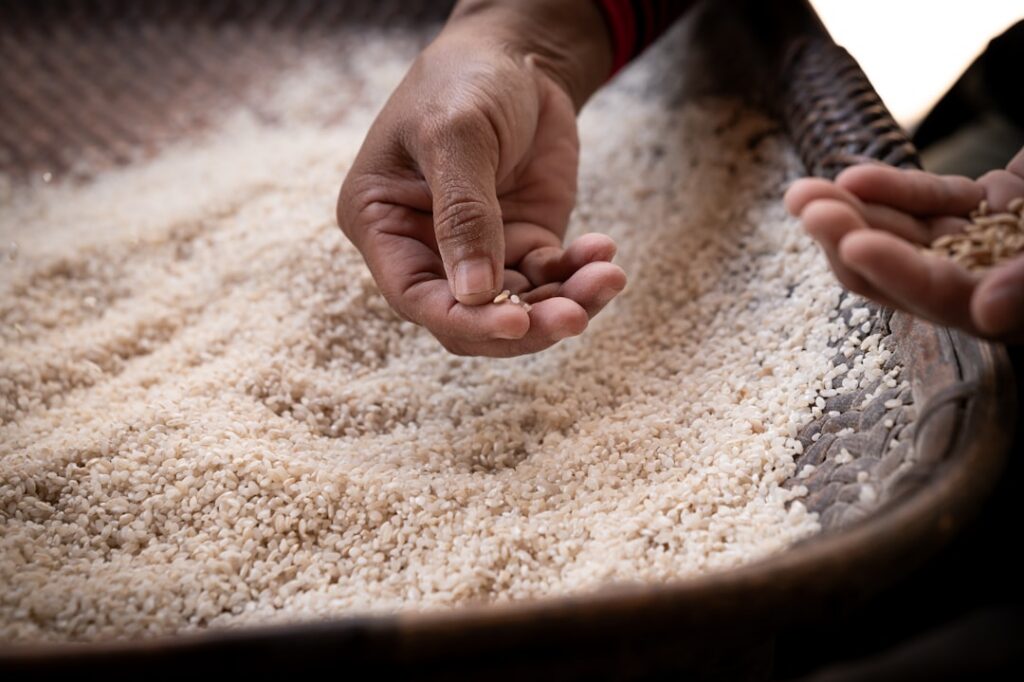
Method 1: Soaking (Fresh Rice Water)
This is the quickest and easiest way to make rice water, and it’s perfect for fresh, immediate use.
- Rinse the Rice: Place ½ cup of rice in a sieve and rinse it thoroughly under running water. This removes any initial dirt, dust, or extra starch.
- Soak the Rice: Transfer the rinsed rice into a clean bowl or jar. Add 2 cups of filtered water.
- Agitate: Gently swish the rice around in the water with your hand for about 5-10 minutes. You’ll notice the water becoming cloudy – this means the nutrients are leaching into the water!
- Strain: Strain the rice water into another clean bowl or jar, separating it from the rice grains. You can cook the rice as usual, so nothing goes to waste!
- Store: Pour the fresh rice water into a clean, airtight container, like a jar or a spray bottle.
Shelf Life: Fresh rice water should be stored in the refrigerator and used within 3-4 days to ensure freshness and prevent bacterial growth.
Method 2: Boiling (Concentrated Rice Water)
Boiling produces a more concentrated rice water. You’ll dilute it before use.
- Rinse the Rice: As with the soaking method, rinse ½ cup of rice thoroughly under running water.
- Boil the Rice: Place the rinsed rice in a pot with 3 cups of filtered water. Bring it to a boil, then reduce the heat to a simmer and cook until the rice is tender (like you would for eating). You want a little extra water, so don’t let it all evaporate.
- Strain: Once cooked, let the rice and water cool down. Then, carefully strain the starchy water into a clean bowl or jar. You can save the cooked rice for a meal.
- Dilute (Optional but Recommended): This boiled rice water will be quite concentrated. Before using, dilute it with an equal amount of fresh water (e.g., 1 part rice water to 1 part regular water). Adjust to your skin’s sensitivity.
- Store: Transfer the diluted rice water into a clean, airtight container.
Shelf Life: Boiled rice water also needs to be stored in the refrigerator and should be used within 4-5 days.
Fresh vs. Fermented Rice Water: What’s the Difference?
You might have heard about fermented rice water and wondered if it’s different from the fresh kind. Yes, it is! Both have benefits, but fermentation adds an extra layer of goodness.
Fresh Rice Water:
This is what you get directly from soaking or boiling rice. It’s gentle, hydrating, and still contains a good amount of vitamins, minerals, and amino acids. It’s a great starting point for anyone new to rice water skincare.
Fermented Rice Water:
To make fermented rice water, you take fresh rice water and allow it to sit at room temperature for a period, encouraging beneficial bacteria to grow. This process creates a slightly acidic solution and is believed to:
- Increase Antioxidant Levels: Fermentation can enhance the concentration of antioxidants, which are vital for protecting skin from environmental damage.
- Lower pH: Fermented rice water typically has a pH level closer to that of your skin’s natural barrier (around 4.5-5.5). This can help balance your skin’s pH, strengthen its protective barrier, and potentially reduce issues like acne and irritation.
- Boost Pitera-like Compounds: While not exactly the same as the famous SK-II ingredient, fermented rice water shares some similar compounds that are known for their anti-aging and brightening properties.
How to Ferment Rice Water:
- Start with Soaked Rice Water: Prepare rice water using the soaking method.
- Allow to Ferment: Pour the strained rice water into a clean jar, cover it loosely (allowing some air exchange), and leave it at room temperature (around 68-75°F or 20-24°C) for 12-24 hours.
- Check for Scent: It will develop a slightly sour, tangy smell, which indicates fermentation is happening. If it smells foul or moldy, discard it.
- Refrigerate: Once fermented, transfer it to an airtight container and store it in the refrigerator.
Shelf Life: Fermented rice water can last a bit longer, up to 5-7 days in the refrigerator, due to its lower pH. Some sources suggest even longer, but for safety, it’s best to refresh it weekly if you use it regularly.
Important Note: Fermented rice water is more potent, so if you have sensitive skin, start with fresh rice water first. If you choose fermented, you might want to dilute it slightly with fresh water before applying.
How to Use Rice Water as a Toner
Using rice water as a toner is one of the most popular and effective ways to incorporate it into your routine. It helps to balance your skin’s pH, tighten the appearance of pores, and prepare your skin for subsequent steps.
Step-by-Step Application:
- Cleanse Your Face: Start with a freshly cleansed face. Gently pat your skin dry with a clean towel.
- Apply the Toner: There are two main ways to apply:
- Cotton Pad Method: Soak a clean cotton pad with rice water. Gently swipe it across your face and neck, avoiding the eye area.
- Hand Pat Method: Pour a small amount of rice water into your palms and gently pat it onto your face and neck until absorbed.
- Let it Absorb: Allow the rice water to air dry on your skin or gently pat it in until it’s fully absorbed. You shouldn’t need to rinse it off.
- Follow with Serums/Moisturizer: Once the rice water has absorbed, continue with your regular skincare routine – apply your favorite serums, eye cream, and moisturizer.
Frequency: You can use rice water as a toner once or twice a day, depending on your skin’s needs and how it reacts. Start with once a day, perhaps in the evening, and if your skin loves it, you can gradually increase to morning and evening.
How to Use Rice Water as a Face Mist
A rice water face mist is a refreshing and convenient way to deliver its benefits throughout the day. It’s perfect for a quick pick-me-up, to set makeup, or to give your skin an extra boost of hydration.
Step-by-Step Application:
- Pour into a Spray Bottle: Make sure you have a clean, fine-mist spray bottle. Pour your fresh or diluted fermented rice water into it.
- Hold at Arm’s Length: Hold the spray bottle about 6-8 inches away from your face.
- Mist Gently: Lightly mist your face 2-3 times. You don’t want to drench your skin, just a fine layer.
- Pat or Let Air Dry: Gently pat your skin with clean fingertips to help absorption, or allow it to air dry naturally.
When to Use:
- After Cleansing: Use it as a toner replacement or in addition to your toner, right after washing your face.
- Mid-day Refresh: Spritz whenever your skin feels dry, dull, or needs a quick hydration boost.
- Before/After Makeup: Use it before makeup for a dewy base, or after to help set your look and add a natural glow.
Pro Tip: Keep your rice water mist in the refrigerator for an extra cooling and soothing sensation, especially on warm days or when your skin feels irritated.
General Tips: How to Use Rice Water Effectively
Embracing rice water into your routine is a beautiful step towards natural skincare. To get the most out of this ancient remedy and ensure it works best for you, here are some friendly tips from your beauty bestie:
1. Always Do a Patch Test
Even natural ingredients can cause reactions for some people. Before applying rice water all over your face, perform a patch test. Apply a small amount to an inconspicuous area, like behind your ear or on your inner arm. Wait 24 hours to check for any redness, irritation, or itching. If you experience any discomfort, it might not be the right fit for your skin, and that’s perfectly okay!
2. Consistency is Key
Like any skincare routine, the benefits of rice water aren’t usually seen overnight. Regular and consistent use is important. Incorporate it into your daily regimen – whether as a toner, mist, or even a face mask – and give your skin time to respond. Aim for daily or every-other-day use for at least a few weeks to truly observe its effects.
3. Storage and Shelf Life are Crucial
Since rice water is a natural, homemade product, it doesn’t contain preservatives and can spoil. Always store your rice water in a clean, airtight container in the refrigerator. Fresh rice water lasts about 3-4 days, while fermented rice water might last 5-7 days. If you notice any unusual smell, discoloration, or mold, it’s time to discard it and make a fresh batch. When in doubt, make a new one!
4. Listen to Your Skin
Your skin is unique! Pay attention to how it reacts to rice water. If you have very dry skin, you might find it hydrating. If your skin is oily, it might help with excess shine. If you feel any dryness or tightness, you might be using it too frequently or need to dilute fermented rice water more. Adjust the frequency and concentration based on your skin’s feedback.
5. Integrate with Your Existing Routine
Rice water is a wonderful complement to your skincare, not necessarily a replacement for everything else. Continue to use your gentle cleanser, targeted serums, and a good moisturizer. Think of rice water as a nourishing boost that supports your skin’s overall health and radiance.
6. Embrace the Natural Journey
While rice water can contribute to healthier, more radiant skin and give you that coveted ‘glass skin’ glow, remember it’s not a miracle cure. It won’t erase deep wrinkles overnight, reverse significant aging, or completely replace professional dermatological treatments for severe skin conditions. It’s about enhancing your natural beauty, promoting hydration, and maintaining a healthy glow through simple, natural means. The true beauty of ‘glass skin’ comes from healthy, well-cared-for skin.
By following these tips, you’ll be well on your way to enjoying the gentle, natural benefits of rice water and achieving that lovely, healthy glow. Happy skincare journey!