Ever scrolled through social media and seen those vibrant, captivating posts about beetroot transforming skin? It’s true, beetroot has taken the DIY beauty world by storm, with many raving about its potential to deliver a radiant, youthful glow. Here at Beauty Tips Daily, we’re all about exploring natural remedies, and beetroot is definitely a fascinating ingredient to dive into!
We’ve heard the buzz, seen the stunning visuals, and you might have even seen claims calling homemade beetroot concoctions a “natural wrinkle eraser” or a “retinol alternative.” While beetroot is packed with wonderful nutrients that can certainly boost your skin’s health and appearance, it’s important to set realistic expectations. Think of it as a fantastic natural moisturizer that can help improve the look of dry, dull skin, giving it a healthy, vibrant glow. It’s not a magic “erase wrinkles overnight” solution, nor can it replace scientifically proven anti-aging treatments or professional dermatological care. But for a beautiful, nourishing, and affordable homemade treat for your skin? Absolutely!
If you’re looking for a simple, natural way to add a touch of radiance and hydration to your routine, you’re in the right place. Let’s uncover the goodness of beetroot and whip up a delightful DIY face cream together!
Table of Contents
- Why Beetroot Is Trending in DIY Skincare
- Nutrients Naturally Found in Beetroot
- DIY Beetroot Face Cream Recipe
- Step-by-Step Preparation
- Benefits of Homemade Beetroot Face Cream
- How to Store Your DIY Beetroot Face Cream
- Patch Testing is Key!
- Who Can Benefit from This DIY Recipe?
- Potential Downsides and What to Watch Out For
- Beyond Face Cream: Other Beetroot Beauty Uses
- Incorporating Natural Ingredients into Your Skincare Routine Safely
- FAQs about DIY Beetroot Skincare
- Conclusion: Embrace Your Natural Glow
Why Beetroot Is Trending in DIY Skincare
In our quest for healthier, more natural beauty solutions, humble vegetables often find their way from our plates to our skincare routines. Beetroot, with its striking deep red color, has become a particularly popular star in the DIY skincare universe. Its ascent to fame can be attributed to several factors:
- The Allure of “Natural” Solutions: There’s a growing desire for beauty products that are perceived as pure, simple, and free from synthetic chemicals. Beetroot fits this narrative perfectly, offering a “farm-to-face” appeal.
- Vibrant Pigmentation: The intense red and purple pigments (betalains) in beetroot are visually stunning and immediately suggest a powerful, nutrient-rich ingredient. This visual appeal translates well to social media, making beetroot beauty hacks highly shareable.
- Antioxidant Power: Beetroot is known to be rich in antioxidants, which are crucial for fighting off environmental stressors. This perceived “anti-aging” benefit, even if sometimes overstated in DIY contexts, is a huge draw for skincare enthusiasts.
- Affordability and Accessibility: Beets are inexpensive and widely available, making them an accessible ingredient for anyone looking to experiment with homemade skincare without breaking the bank.
- Social Media Buzz: Platforms like TikTok and Instagram are brimming with videos showcasing “beetroot for glowing skin” or “natural wrinkle removers,” inspiring millions to try these remedies at home.
While the enthusiasm is wonderful, it’s important to approach these trends with a balanced perspective. Understanding what beetroot can truly offer, without falling for exaggerated claims, is key to truly benefiting from its natural goodness.
Nutrients Naturally Found in Beetroot
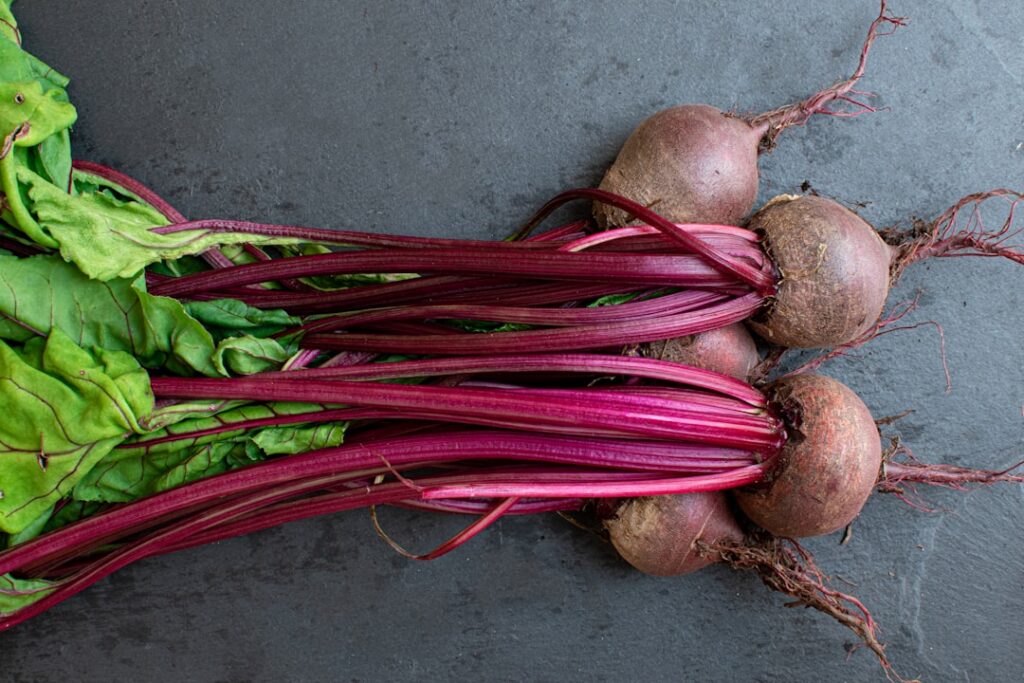
Beetroot (Beta vulgaris) is a nutritional powerhouse, and many of these benefits can be translated to topical application, contributing to healthier-looking skin. Here’s a closer look at what makes beetroot special:
- Antioxidants (Betalains): These are the star compounds in beetroot, responsible for its striking red color. Betalains are powerful antioxidants that help combat free radicals, which can damage skin cells and contribute to premature aging. By fighting oxidative stress, betalains can help protect the skin and maintain its youthful appearance.
- Vitamin C: A well-known antioxidant, Vitamin C is vital for collagen production, which helps maintain skin’s elasticity and firmness. It also plays a role in brightening the complexion and reducing the appearance of dark spots.
- Folate (Vitamin B9): Folate is essential for cell repair and regeneration. This can help promote healthy skin cell turnover, contributing to a fresher, more revitalized complexion.
- Iron: While primarily known for its role in blood health, adequate iron levels indirectly contribute to healthy skin by ensuring proper oxygenation of skin cells, which is crucial for their vitality.
- Potassium: This mineral helps maintain proper hydration levels in the skin, keeping it moisturized and plump.
- Fiber: Although not directly absorbed topically, the overall health benefits of consuming fiber contribute to inner wellness, which often reflects on the skin.
- Nitrates: When consumed, nitrates convert to nitric oxide, which can improve blood flow. Topically, some research suggests nitrates might have benefits, but for homemade applications, the antioxidant and vitamin content are more significant.
When these nutrients are applied to the skin in a cream, they can work together to provide hydration, nourishment, and protection, leading to skin that looks and feels healthier.
DIY Beetroot Face Cream Recipe
Ready to create your own natural glow-booster? This recipe is designed to be gentle, moisturizing, and easy to make at home. Remember, consistency is key when using any natural remedy!
Ingredients You’ll Need:
- 1 medium-sized fresh beetroot
- 2 tablespoons pure aloe vera gel (ensure it’s 99% pure or higher, without added alcohol or fragrance)
- 1 tablespoon sweet almond oil (or jojoba oil, argan oil for different skin types)
- 1/2 teaspoon vegetable glycerin (optional, for extra hydration)
- 5 drops Vitamin E oil (as a natural preservative and skin nourisher)
- A few drops of your favorite essential oil (optional, e.g., lavender for calming, frankincense for skin rejuvenation – *always dilute and patch test*)
Equipment:
- Small grater or peeler
- Fine-mesh sieve or cheesecloth
- Small saucepan
- Clean, airtight glass jar or container (sanitized)
- Mixing bowl
- Whisk or spoon
Step-by-Step Preparation
Follow these simple steps to make your very own nourishing beetroot face cream:
-
Prepare the Beetroot Juice:
- Wash and peel the beetroot thoroughly.
- Grate the beetroot finely.
- Place the grated beetroot into a fine-mesh sieve set over a bowl, or wrap it in cheesecloth.
- Press firmly to extract as much juice as possible. You’ll need about 2-3 tablespoons of fresh beetroot juice.
- Quick Tip: Be careful! Beetroot juice can stain hands and surfaces. Consider wearing gloves.
-
Gently Reduce the Juice (Optional but Recommended):
- Pour the extracted beetroot juice into a small saucepan.
- Heat on very low heat for about 5-7 minutes, stirring occasionally. This helps to slightly concentrate the juice and may extend the shelf life of your cream. Do not boil vigorously; just a gentle simmer.
- Let the concentrated juice cool completely. You should have about 1.5 – 2 tablespoons remaining.
-
Combine the Ingredients:
- In your clean mixing bowl, combine the cooled beetroot juice, aloe vera gel, sweet almond oil, vegetable glycerin (if using), and Vitamin E oil.
- If using essential oils, add them now.
- Whisk vigorously until all ingredients are thoroughly combined and you have a smooth, consistent cream. The mixture might be a light pink or purple color, depending on the beetroot concentration.
-
Transfer and Store:
- Carefully spoon your freshly made beetroot face cream into your clean, airtight glass jar.
- Seal tightly and store it in the refrigerator.
Your DIY Beetroot Face Cream is now ready to use! Enjoy the natural goodness.
Benefits of Homemade Beetroot Face Cream
Incorporating this DIY beetroot cream into your routine can offer several lovely benefits for your skin:
- Natural Hydration: Beetroot, aloe vera, and carrier oils like almond oil are excellent humectants and emollients. This cream will help lock in moisture, leaving your skin feeling soft, supple, and well-hydrated.
- Brightening Appearance: The Vitamin C and antioxidants in beetroot can contribute to a more even skin tone and a brighter, more radiant complexion. Regular use may help diminish the look of dullness and give your skin a healthy “lit-from-within” glow.
- Antioxidant Support: By delivering a dose of betalains and Vitamin C directly to your skin, this cream helps support your skin’s natural defense against environmental stressors that can contribute to visible signs of aging.
- Soothing & Calming: Aloe vera is renowned for its soothing properties, which can help calm irritated skin. Combined with nourishing oils, this cream can feel incredibly comforting.
- Affordable & Customizable: Making your own cream is cost-effective and allows you to control the ingredients, tailoring them to your skin’s specific needs (e.g., swapping almond oil for jojoba for oily skin, or adding different essential oils).
Important Disclaimer on “Wrinkle Erasing”
While many natural ingredients are wonderful for skin health, it’s crucial to understand that homemade beetroot cream is not a “wrinkle eraser” in the way some social media posts might suggest. There is currently no scientific evidence that applying beetroot juice or cream topically can “erase” wrinkles or replace dermatologist-recommended anti-aging treatments like professional retinoids, injectables, or laser therapies.
Instead, view this cream as a fantastic way to nourish, hydrate, and brighten the *appearance* of your skin, which can, in turn, make fine lines look less prominent due to improved plumpness and hydration. For actual wrinkle reduction, consult a dermatologist for evidence-based treatments.
How to Store Your DIY Beetroot Face Cream
Homemade skincare products don’t contain the same robust preservatives as commercial products, so proper storage is vital to prevent spoilage and bacterial growth.
- Refrigeration is a Must: Always store your beetroot face cream in an airtight glass jar in the refrigerator. This keeps the ingredients fresh and slows down degradation.
- Shelf Life: Due to the fresh ingredients, this cream typically lasts for about 1-2 weeks in the refrigerator. Beyond that, it’s best to discard it and make a fresh batch.
- Signs of Spoilage: Before each use, check for any changes in color, texture, or smell. If it looks or smells off, or if you see any mold, discard it immediately.
- Avoid Contamination: Use a clean spatula or spoon to scoop out the cream, rather than dipping your fingers directly into the jar. This minimizes the introduction of bacteria.
Patch Testing is Key!
Even though beetroot is a natural ingredient, it’s essential to perform a patch test before applying any new DIY creation to your face. Natural doesn’t always mean non-allergenic for everyone!
- Apply a tiny amount of the cream to a small, inconspicuous area of your skin, like behind your ear or on your inner forearm.
- Leave it on for 24-48 hours.
- Check for any signs of redness, itching, burning, or irritation.
- If you experience any adverse reaction, wash the area thoroughly and discontinue use. If your skin reacts positively, you can confidently use the cream on your face.
Who Can Benefit from This DIY Recipe?
This homemade beetroot face cream is particularly well-suited for:
- Those with Dry or Dull Skin: The hydrating properties of the cream can help restore moisture and bring a healthy glow to parched or lacklustre complexions.
- Individuals Seeking Natural Remedies: If you prefer to use ingredients from your kitchen for beauty, this recipe aligns perfectly with a natural beauty philosophy.
- Skincare Beginners: It’s a simple, straightforward recipe that’s easy to follow, making it great for those new to DIY skincare.
- People Looking for an Affordable Moisturizer: Instead of expensive store-bought options, this homemade cream offers a budget-friendly way to nourish your skin.
Potential Downsides and What to Watch Out For
While beetroot face cream offers many positives, it’s good to be aware of potential drawbacks:
- Temporary Staining: Beetroot’s vibrant pigment can temporarily tint your skin, especially if you have a very fair complexion or use too much. It might also stain clothing or pillowcases. Apply a thin layer and allow it to absorb fully.
- Allergic Reactions: As with any ingredient, an allergic reaction is possible. Always perform a patch test.
- Short Shelf Life: Without synthetic preservatives, homemade creams expire quickly, requiring frequent fresh batches. This can be inconvenient for some.
- Lack of SPF: This cream offers no sun protection. Always apply a dedicated sunscreen as the last step in your morning routine.
- Efficacy Limitations: While nourishing, it cannot deliver the targeted, potent results of scientifically formulated skincare products for specific concerns like severe acne, deep wrinkles, or hyperpigmentation.
Beyond Face Cream: Other Beetroot Beauty Uses
Beetroot’s versatility extends beyond just face cream! Here are a couple of other ways you can incorporate this lovely veggie into your beauty routine:
-
Beetroot Lip Tint:
For a natural, rosy pout, mix a few drops of beetroot juice with a tiny bit of coconut oil or shea butter. Apply to your lips for a beautiful, subtle tint and added hydration. This is a fantastic alternative to chemical-laden lipsticks!
-
Beetroot Face Mask for Instant Glow:
Combine 1 tablespoon of fresh beetroot juice with 1 tablespoon of plain yogurt and a pinch of gram flour (chickpea flour) to form a paste. Apply to your clean face, leave on for 15-20 minutes, then rinse off. This mask can help brighten and refresh your skin, leaving it soft and glowing.
Incorporating Natural Ingredients into Your Skincare Routine Safely
Embarking on a journey with natural and DIY skincare is exciting, but a mindful approach ensures the best results:
- Source Quality Ingredients: Always use fresh, organic (if possible) ingredients. For carrier oils and essential oils, opt for reputable brands to ensure purity.
- Sanitize Everything: Before preparing any DIY recipe, ensure all your utensils, bowls, and storage containers are thoroughly cleaned and sanitized to prevent bacterial contamination.
- Listen to Your Skin: Pay close attention to how your skin reacts. What works wonderfully for one person might not suit another. If you notice any irritation, redness, or discomfort, stop using the product immediately.
- Don’t Mix Too Many Ingredients: Keep DIY recipes simple, especially when starting out. The fewer ingredients, the easier it is to identify what works and what doesn’t for your skin.
- Consult a Professional: If you have persistent skin concerns, severe conditions like cystic acne, or are unsure about combining natural remedies with prescribed treatments, always consult a dermatologist.
FAQs about DIY Beetroot Skincare
Q: Can I use beetroot cream every day?
A: Yes, if your skin tolerates it well after a patch test, you can use the beetroot face cream daily as part of your morning or evening routine, or both. However, due to its short shelf life, ensure you’re making fresh batches frequently.
Q: Will beetroot permanently stain my skin?
A: No, beetroot’s pigment causes only temporary staining. Any pinkish tint should wash off with your regular cleanser. If you notice a strong tint, try diluting the beetroot juice slightly or applying a thinner layer of cream.
Q: Can beetroot help with acne?
A: While beetroot contains anti-inflammatory antioxidants, this cream is primarily for hydration and brightening. It’s not specifically formulated or proven to treat acne. For acne concerns, seek targeted treatments and professional advice.
Q: Is this cream suitable for oily skin?
A: If you have oily skin, you might want to adjust the recipe by using a lighter carrier oil like jojoba oil instead of almond oil, and perhaps reducing the amount of oil slightly. The aloe vera base is generally good for oily skin.
Q: Can pregnant women use DIY beetroot cream?
A: While beetroot is generally safe, it’s always best for pregnant or breastfeeding women to consult their doctor or dermatologist before introducing any new skincare product, even natural ones, into their routine.
Conclusion: Embrace Your Natural Glow
There you have it, beauty bestie! A simple, natural, and incredibly rewarding DIY Beetroot Face Cream recipe that can bring a burst of hydration and a healthy glow to your skin. While it may not erase wrinkles overnight, it’s a beautiful way to nourish your complexion with the goodness of nature, helping you achieve that radiant, “glass-like” skin look through consistent care and natural ingredients.
Remember, true beauty comes from within, but a little self-care with natural remedies can certainly help boost your confidence and leave your skin feeling fabulous. So go ahead, give this vibrant cream a try, and let your natural beauty shine through!
Have you tried beetroot in your skincare routine before? What are your favorite natural ingredients? Share your thoughts and tips in the comments below! We love hearing from our Beauty Tips Daily family!