The journey to optimal health often begins in the kitchen, but sometimes, even our best efforts can fall short. Many of us are diligently incorporating nutrient-dense foods into our diets, yet unknowingly eating these healthy foods wrong, preventing maximum nutrient absorption. It’s a common misconception that simply consuming a “healthy” food is enough, when in fact, the way we prepare it can significantly impact the bioavailability of its vitamins, minerals, and antioxidants.
This article will reveal surprising insights into how common healthy foods like tomatoes, millets, chia seeds, broccoli, and flaxseeds can be prepared incorrectly. We’ll guide you through simple, research-backed adjustments to unlock their full health benefits, support your digestion, and ensure every bite contributes effectively to your well-being.
Stop Wasting Nutrients: Are You Eating These Healthy Foods Wrong?
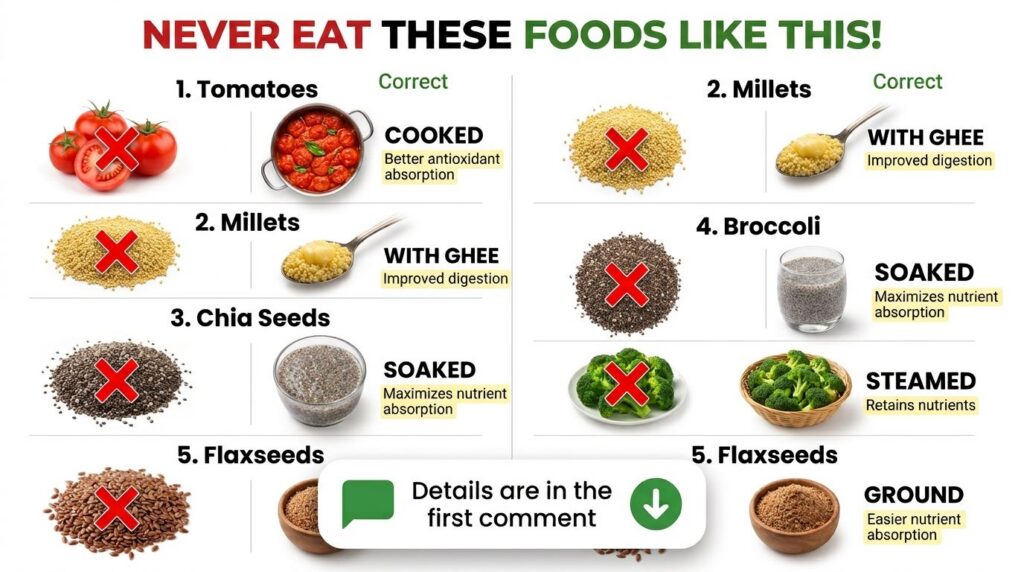
It’s frustrating to think you’re doing everything right for your health, only to find out you might be missing out on vital nutrients. Many healthy foods contain compounds that require specific preparation methods to be fully absorbed by your body. Let’s dive into five common healthy foods and discover how to optimize their nutritional power.
Tomatoes: Cook for Better Antioxidants
Often enjoyed fresh in salads or sandwiches, raw tomatoes are undeniably delicious and packed with vitamins. However, when it comes to maximizing a specific powerful antioxidant, cooking them makes all the difference.
- The “Wrong” Way: Primarily eating raw tomatoes. While still healthy, your body absorbs less lycopene this way.
- The “Correct” Way: Lightly cooking tomatoes.
Why It Matters: Tomatoes are an excellent source of lycopene, a potent antioxidant that may support heart health and offer protection against certain types of cancer. Research suggests that cooking tomatoes, especially with a little healthy fat like olive oil, helps break down their cell walls, making lycopene more bioavailable for your body to absorb. So, consider adding cooked tomato sauces, roasted tomatoes, or a hearty tomato soup to your meal rotation.
Millets: The Power of Soaking
Millets are ancient grains celebrated for their impressive nutrient profile, including fiber, protein, and various minerals. Yet, a crucial step is often overlooked in their preparation.
- The “Wrong” Way: Cooking millets directly without soaking.
- The “Correct” Way: Soaking millets before cooking.
Why It Matters: Millets naturally contain phytic acid, an anti-nutrient that can bind to minerals like iron, zinc, and calcium, hindering their absorption. Soaking millets for several hours or overnight significantly reduces phytic acid content, making these vital minerals more accessible to your body. This simple step also improves digestibility and can lead to a more pleasant texture.
Simple Soaked Millet Preparation:
- Rinse: Rinse 1 cup of your chosen millet (e.g., foxtail, proso) under cold water.
- Soak: Place the rinsed millet in a bowl and cover with 2 cups of water. Let it soak for at least 6-8 hours, or overnight, at room temperature or in the refrigerator.
- Rinse Again: Drain and rinse the soaked millet thoroughly under cold running water. This step helps remove any remaining anti-nutrients.
- Cook: Combine the soaked millet with 1 ½ cups of fresh water or vegetable broth in a saucepan. Bring to a boil, then reduce heat, cover, and simmer for 15-20 minutes, or until all water is absorbed and the millet is fluffy.
Servings: 2-3
Prep time: 5 minutes (plus soaking time)
Cook time: 20 minutes
Chia Seeds: Soak for Maximum Benefits
These tiny seeds are nutritional powerhouses, packed with omega-3 fatty acids, fiber, and protein. However, consuming them dry might mean you’re missing out on their full potential.
- The “Wrong” Way: Eating dry chia seeds (e.g., sprinkled on top of a salad without liquid).
- The “Correct” Way: Soaking chia seeds in liquid until they form a gel.
Why It Matters: Chia seeds are hydrophilic, meaning they absorb many times their weight in liquid. Soaking allows them to swell and form a gel-like consistency, which not only aids digestion but also makes their nutrients more accessible. When consumed dry, they can absorb water from your digestive tract, potentially leading to discomfort for some, and their nutrients might not be as readily released.
Classic Chia Seed Pudding Recipe:
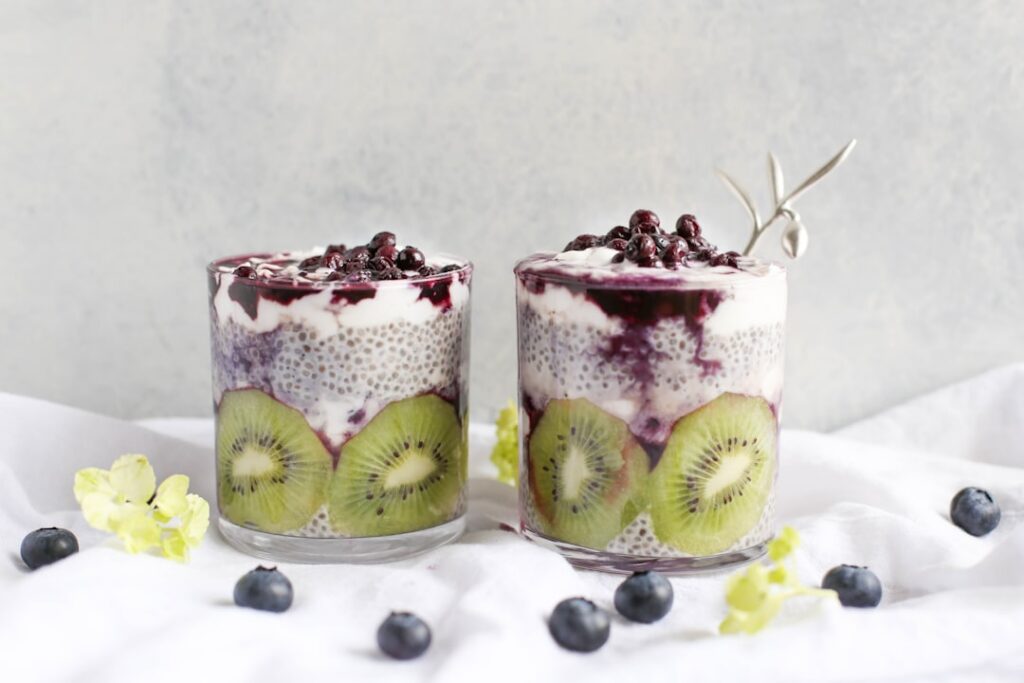
This simple recipe transforms dry chia seeds into a delicious, nutrient-dense meal perfect for breakfast or a snack.
- Servings: 1
- Prep time: 5 minutes
- Chill time: At least 2 hours, or overnight
Ingredients:
- 2 tablespoons chia seeds
- 1/2 cup milk (dairy or non-dairy, such as almond, oat, or soy milk)
- 1 teaspoon maple syrup or honey (optional, adjust to taste)
- 1/4 teaspoon vanilla extract (optional)
- Optional toppings: fresh berries, sliced banana, chopped nuts, a sprinkle of cinnamon, or cocoa powder.
Instructions:
- In a jar or small bowl, combine the chia seeds, milk, maple syrup/honey, and vanilla extract (if using).
- Stir well to ensure there are no clumps and all seeds are submerged.
- Cover the jar/bowl and refrigerate for at least 2 hours, or preferably overnight, until the mixture thickens to a pudding-like consistency.
- Before serving, stir again and add your favorite toppings.
Storage Tip: Chia pudding can be stored in an airtight container in the refrigerator for up to 3-4 days.
Broccoli: Lightly Cooked is Key
Broccoli is a cruciferous superstar, loaded with vitamin C, vitamin K, fiber, and potent anti-cancer compounds. However, its preparation can drastically affect its nutrient content.
- The “Wrong” Way: Over-steaming or over-boiling broccoli until it’s soft and mushy.
- The “Correct” Way: Lightly cooking or steaming broccoli until it’s tender-crisp.
Why It Matters: Many of broccoli’s water-soluble vitamins (like Vitamin C and B vitamins) and beneficial compounds (like sulforaphane precursors) can be lost or degraded with excessive heat and prolonged exposure to water. Overcooking not only diminishes its nutritional value but also ruins its texture and flavor. Aim for vibrant green, tender-crisp florets to retain maximum nutrients and enjoy its delicious bite.
Flaxseeds: Grind for Omega-3 Absorption
Flaxseeds are renowned for their omega-3 fatty acids (ALA), lignans, and fiber. But to truly reap these benefits, a simple mechanical step is essential.
- The “Wrong” Way: Consuming whole flaxseeds.
- The “Correct” Way: Grinding flaxseeds before consumption.
Why It Matters: The outer shell of a whole flaxseed is incredibly tough. When consumed whole, these seeds can pass through your digestive system largely undigested, meaning your body won’t be able to access the beneficial omega-3s and lignans trapped inside. Grinding them just before use breaks down this tough exterior, making all those valuable nutrients readily available for absorption. You can grind them using a coffee grinder or a dedicated spice grinder.
How to Incorporate Ground Flaxseeds:
- Stir into oatmeal or yogurt.
- Blend into smoothies.
- Add to baked goods like muffins or bread.
- Sprinkle over salads or soups.
Unlock the Full Potential of Your Healthy Foods
Making these small, intentional changes to how you prepare your healthy foods can have a significant impact on your nutrient intake and overall well-being. It’s not just about what you eat, but how effectively your body can utilize those nutrients. By optimizing your cooking and preparation methods, you’re investing in a smarter approach to nutrition and truly honoring the powerful foods you choose.
Consider adding these refined preparation techniques to your daily routine. They are simple, easy to implement, and can greatly enhance your digestion and the nutritional value of your meals.
Frequently Asked Questions About Nutrient Absorption
Why is nutrient absorption so important?
Nutrient absorption is crucial because it’s how your body receives the vitamins, minerals, antioxidants, and other compounds it needs to function properly. Without efficient absorption, even a diet rich in healthy foods might not provide adequate nourishment, potentially leading to deficiencies and impaired bodily functions, from energy levels to immune response.
Are there other foods I might be preparing incorrectly?
Yes, many foods benefit from specific preparation methods. For instance, legumes often require soaking and proper cooking to reduce anti-nutrients. Some vegetables are best eaten raw for certain heat-sensitive vitamins, while others, like carrots, have more bioavailable beta-carotene when lightly cooked. Always consider the specific nutrients you’re trying to maximize.
Does food quality impact nutrient absorption?
Absolutely. The quality of your food, including how it was grown, processed, and stored, can influence its nutrient content and, by extension, your ability to absorb those nutrients. Opting for fresh, minimally processed, and organically grown produce when possible can contribute to a higher nutrient density and potentially better absorption.