The Ultimate Guide to Healthy Eating: Build Better Habits with Smart Food Choices
Healthy eating isn’t about strict diets, calorie counting, or eliminating your favorite foods—it’s about consistently choosing nutrient-rich foods that nourish your body. Every meal and snack offers a valuable opportunity to fuel your health, boost your energy, and potentially reduce the risk of chronic diseases. Instead of focusing solely on calories, shifting your perspective to the quality and nutritional value of your food can be incredibly empowering.
Whole foods packed with essential protein, fiber, vitamins, minerals, and healthy fats provide long-lasting energy and help your body perform at its best. They contribute to satiety, support various bodily functions, and promote overall well-being. This comprehensive guide will explore the foundations of healthy nutrition, compare healthier food choices with less nutritious options, and share practical, actionable tips for building balanced and enjoyable meals every day.
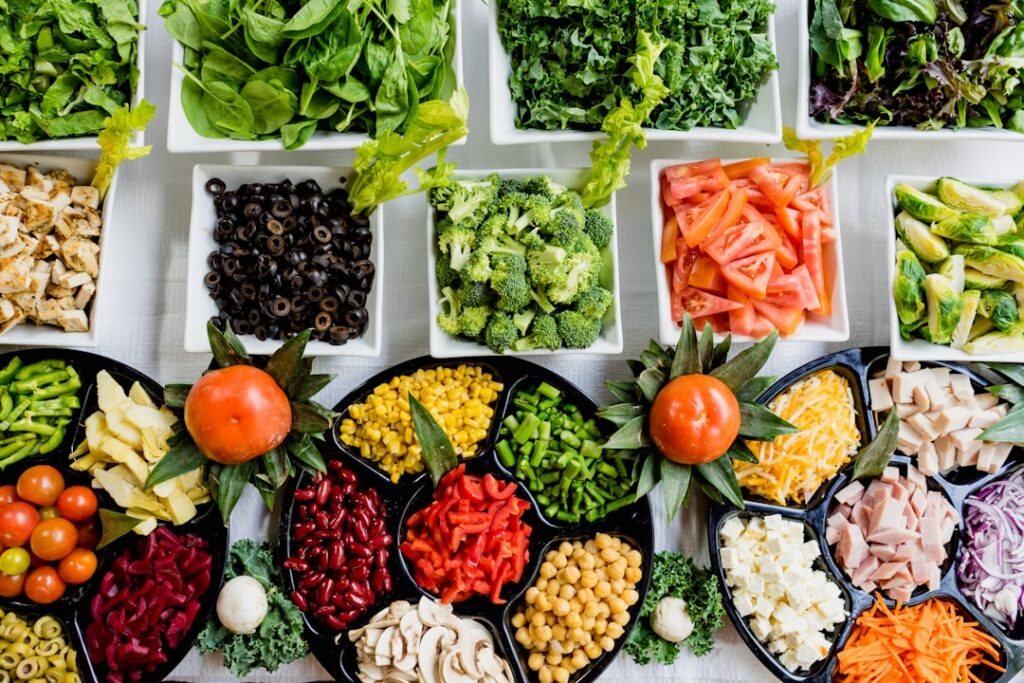 Embrace a colorful array of whole foods to nourish your body and boost your well-being.
What Makes a Food “Healthy”?
When we talk about “healthy” foods, we’re generally referring to options that provide a significant amount of nutrients relative to their calorie content, and are minimally processed. These foods tend to support your body’s functions without contributing excessive amounts of less beneficial ingredients.
- Rich in vitamins and minerals: Essential for countless bodily processes, from energy production to immune function.
- High in fiber: Supports digestive health, helps regulate blood sugar, and promotes a feeling of fullness.
- Good sources of protein: Crucial for muscle repair, growth, and satiety.
- Naturally low in added sugars: Minimizes spikes in blood sugar and reduces the risk of sugar-related health issues.
- Low in highly processed ingredients: Often means fewer artificial additives, unhealthy fats, and excessive sodium.
- Packed with beneficial antioxidants and healthy fats: Antioxidants protect cells from damage, while healthy fats are vital for hormone production, nutrient absorption, and heart health.
Foundational Foods for a Healthy Diet
Building your diet around these core food groups can set a strong foundation for long-term health and vitality.
Fruits
Fruits are nature’s candy, offering natural sweetness along with a wealth of vitamins, antioxidants, and water. They are excellent for quick energy and hydration.
- Apples
- Bananas
- Oranges
- Blueberries
- Strawberries
- Grapes
Vegetables
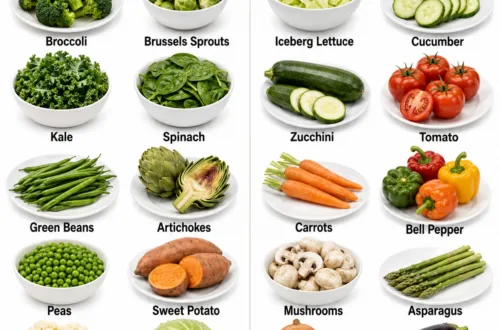
Vegetables are nutritional powerhouses, naturally low in calories while being incredibly rich in nutrients that support heart health, digestion, immunity, and more. Aim to eat a rainbow of colors to get a broad spectrum of nutrients.
- Broccoli
- Spinach
- Carrots
- Bell peppers
- Tomatoes
- Cauliflower
Whole Grains
Unlike refined grains, whole grains retain their bran, germ, and endosperm, providing complex carbohydrates that release energy more slowly. This helps maintain stable blood sugar levels and sustained energy throughout the day.
- Oats
- Brown rice
- Quinoa
- Whole wheat bread
- Whole wheat pasta
Protein Sources
Protein is vital for muscle maintenance, recovery, and creating a feeling of fullness. Including a good source of protein at each meal can help manage appetite and support a healthy metabolism.
Animal-based Protein
- Fish (e.g., salmon, cod)
- Chicken breast
- Eggs
- Greek yogurt
- Cottage cheese
Plant-based Protein
- Lentils
- Chickpeas
- Beans
- Tofu
- Tempeh
Nuts & Seeds
These small but mighty foods are excellent sources of healthy fats, plant protein, fiber, and important minerals like magnesium, zinc, and selenium. They make great snacks or additions to meals.
- Almonds
- Walnuts
- Pumpkin seeds
- Chia seeds
- Flaxseeds
- Sunflower seeds
Good Fats vs. Less Healthy Fats
Understanding the types of fats in your diet is crucial, as not all fats affect your body the same way. The key is to prioritize beneficial fats and limit those that may contribute to health issues when consumed in excess.
Healthier Fat Sources (Choose More Often)
These contain unsaturated fats that are generally associated with supporting heart health and overall wellness.
- Avocados
- Olive oil
- Salmon and other fatty fish
- Nuts (e.g., almonds, walnuts)
- Seeds (e.g., chia seeds, flaxseeds)
- Natural nut butters
Foods to Limit (Enjoy Occasionally)
These foods tend to contain higher amounts of saturated fats, trans fats (often from partially hydrogenated oils), sodium, or added sugars, and are best consumed in moderation.
- Deep-fried foods
- Processed meats (e.g., bacon, hot dogs)
- Sugary desserts
- Chips and many ultra-processed snacks
- Fast food
Remember, healthy eating isn’t about avoiding these foods forever—it’s about maintaining balance over time and making informed choices most of the time.
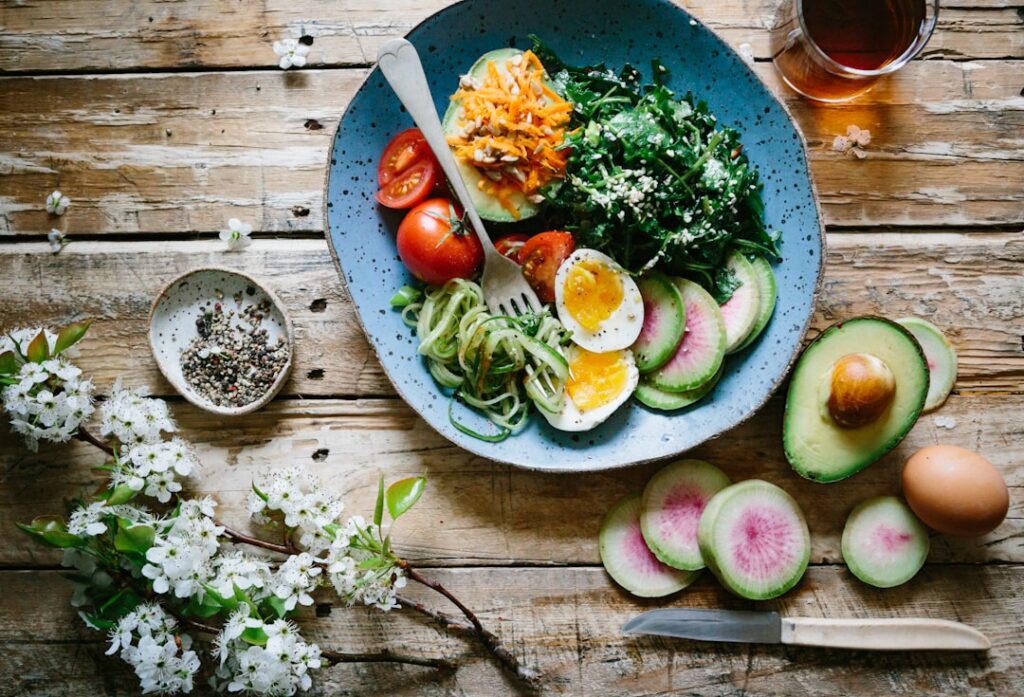 Create a balanced plate with lean protein, vibrant vegetables, and wholesome grains.
Clean Eating Made Simple
Clean eating doesn’t require expensive ingredients or complicated recipes. It’s fundamentally about choosing whole, unprocessed foods. Building your grocery list around these core items makes healthy eating easier and more sustainable.
A Balanced Grocery List Can Include:
- Vegetables: Broccoli, spinach, zucchini, carrots, bell peppers, kale.
- Fruits: Apples, berries, pears, bananas, citrus fruits.
- Lean Proteins: Chicken, fish, eggs, tofu, beans, lentils.
- Healthy Fats: Avocados, olive oil, almonds, walnuts, chia seeds.
- Whole Grains: Oats, brown rice, quinoa, whole grain pasta, whole wheat bread.
Naturally Sweet Alternatives
Reducing added sugar in your diet doesn’t mean giving up sweetness entirely. You can satisfy your sweet tooth with naturally occurring sugars found in whole foods, which also come with the added benefits of fiber, vitamins, and minerals.
- Fresh fruit (berries, apples, oranges)
- Dates
- Bananas
- Raisins
- Figs
For recipes, small amounts of honey or maple syrup can be alternatives, but they are still forms of added sugar and should be used mindfully.
Plant Foods Rich in Iron
Iron is an essential mineral for carrying oxygen throughout the body and supporting normal energy levels. While animal products are known for their iron content, many plant foods are also excellent sources.
- Lentils
- Soybeans (edamame, tofu)
- Chickpeas
- Pumpkin seeds
- Sesame seeds
- Kidney beans
- Spinach
- Moringa leaves
Tip: To improve iron absorption from plant foods, pair them with foods rich in vitamin C, such as oranges, strawberries, kiwi, or bell peppers.
Smart Choices for Healthy Weight Management
Successful weight management isn’t about eliminating entire food groups; it’s about making consistent, balanced choices that keep you satisfied and nourished. Focus on nutrient-density and portion awareness.
Eat More
These foods are generally rich in nutrients, high in fiber, and can help keep you feeling satisfied without excess calories.
- Vegetables
- Fruit
- Eggs
- Oats
- Beans
- Lentils
- Whole grains
- Lean proteins
Enjoy in Moderation
These foods can absolutely fit into a balanced eating pattern, but portion size simply matters more here due to their calorie density.
- Rice
- Potatoes
- Dairy products (e.g., full-fat cheese, yogurt)
- Cooking oils (even healthy ones)
- Bread (beyond whole wheat)
- Pasta (beyond whole wheat)
Limit
Try to reduce your intake of these items, as they offer minimal nutritional value and can contribute to excess calorie intake and other health concerns if consumed frequently.
- Sugary drinks
- Deep-fried foods
- Highly processed snacks
- Cakes, pastries, and most candies
- Excessive late-night snacking on processed foods
Eating these occasionally is perfectly reasonable, but building most meals around whole, unprocessed foods is generally a healthier and more sustainable approach.
Build a Balanced Plate
Visualizing a balanced plate can simplify meal planning. Aim to include a variety of food groups to ensure you’re getting a broad spectrum of nutrients.
- 🥩 Protein: Chicken, fish, eggs, tofu, beans, lentils. Aim for a palm-sized portion.
- 🥦 Vegetables: Broccoli, spinach, carrots, tomatoes, salad greens, bell peppers. Fill at least half your plate.
- 🍚 Whole Grains: Brown rice, quinoa, oats, whole wheat bread/pasta. A cupped-hand portion is often appropriate.
- 🥑 Healthy Fats: Avocado, olive oil (for dressing or cooking), nuts, seeds. Use sparingly as they are calorie-dense.
- 🍎 Fruit: Finish with a serving of fresh fruit for extra fiber and vitamins, or enjoy it as a snack.
 Mindful preparation of fresh ingredients is a key step towards healthier eating.
Healthy Eating Tips for Everyday Life
Making small, consistent changes can lead to significant long-term health benefits.
- ✔ Fill half your plate with vegetables: This is a simple visual cue to boost nutrient intake.
- ✔ Choose whole grains more often than refined grains: Opt for brown rice over white, whole wheat bread over white bread.
- ✔ Include a source of protein at every meal: Helps with satiety and muscle health.
- ✔ Snack on fruit, yogurt, or nuts instead of ultra-processed foods: Keeps you fueled with beneficial nutrients.
- ✔ Drink plenty of water throughout the day: Hydration is crucial for all bodily functions and can help manage hunger cues.
- ✔ Cook more meals at home when possible: Gives you control over ingredients and portion sizes.
- ✔ Read nutrition labels and be mindful of added sugars and sodium: Knowledge is power when making food choices.
- ✔ Remember that consistency matters more than perfection: Don’t get discouraged by occasional indulgences; focus on your overall pattern.
Frequently Asked Questions
Are carbohydrates unhealthy?
No, carbohydrates are not inherently unhealthy. Whole-food carbohydrate sources like oats, brown rice, potatoes, fruit, and legumes provide important nutrients and energy for your body and brain. The focus should be on choosing minimally processed sources and appropriate portions, rather than eliminating them.
Should I avoid fat?
No, healthy fats are crucial for overall health! Fats from foods like avocados, nuts, seeds, olive oil, and fatty fish are important for hormone production, nutrient absorption, and heart health. Rather than avoiding fat entirely, aim to limit foods high in saturated fat or heavily processed fats, and prioritize beneficial unsaturated fats.
Is fruit too high in sugar?
Whole fruit contains naturally occurring sugars along with essential fiber, vitamins, minerals, and water. The fiber in whole fruit helps slow down sugar absorption, making it a much healthier choice than foods with added sugars. For most people, whole fruit can and should be a part of a balanced diet.
Is clean eating the same as dieting?
No, not necessarily. While some diets may incorporate principles of clean eating, clean eating is generally about emphasizing minimally processed, nutrient-dense foods for overall health and well-being, rather than following strict rules for weight loss or cutting out entire food groups. It’s more of a lifestyle approach.
What’s the easiest way to start eating healthier?
Start with small, manageable changes. Try adding more vegetables to your meals, swapping sugary drinks for water, including a source of protein at breakfast, and choosing whole grains when possible. Small, consistent habits often lead to lasting results and feel less overwhelming than drastic changes.
Final Thoughts
Healthy eating doesn’t require perfection, expensive superfoods, or complicated rules. The foundation of good nutrition is wonderfully simple: prioritize whole, unprocessed foods, enjoy a wide variety of fruits and vegetables, include quality protein, choose healthy fats, and be mindful of your portion sizes.
Rather than labeling foods as “good” or “bad,” think of your diet as a long-term pattern that supports your body. Most meals can be built around nutritious, satisfying foods, while favorite treats can still be enjoyed occasionally without derailing your progress. Sustainable habits—not restrictive diets—are what truly support long-term health and well-being. Embrace the journey of nourishing your body with smart, wholesome choices!
🥗 Continue Your Wellness Journey
Want to learn more about healthy foods, nutrition facts, vitamins, minerals, food comparisons, weight management, and practical eating tips? Visit our website for easy-to-follow nutrition guides, healthy food charts, balanced meal ideas, and evidence-informed wellness resources designed to help you make smarter food choices every day.