Dark vs. Milk Chocolate: A Guide to Healthier Choices
Chocolate, for many of us, is more than just a sweet treat; it’s a comforting indulgence, a moment of joy, and sometimes even a pick-me-up. But with so many types available, especially the popular milk chocolate and its more intense cousin, dark chocolate, have you ever wondered which one is the ‘better’ choice for your health?
The good news is that both can be enjoyed as part of a balanced diet. However, understanding their key differences in cocoa content, sugar levels, fat composition, and overall nutritional profiles can empower you to make more informed decisions that align with your wellness goals. Let’s unwrap the delicious facts about milk versus dark chocolate and explore how each can fit into a healthy lifestyle.
Table of Contents
- What Makes Dark Chocolate Different?
- Cocoa Percentage Explained
- Comparing Milk Chocolate and Dark Chocolate
- Calories, Sugar and Fat
- Antioxidants and Flavanols
- Can Chocolate Be Part of a Healthy Diet?
- Portion Control Tips
- Choosing the Best Chocolate
- Common Chocolate Myths
- Frequently Asked Questions
- Final Thoughts
- Disclaimer
What Makes Dark Chocolate Different?
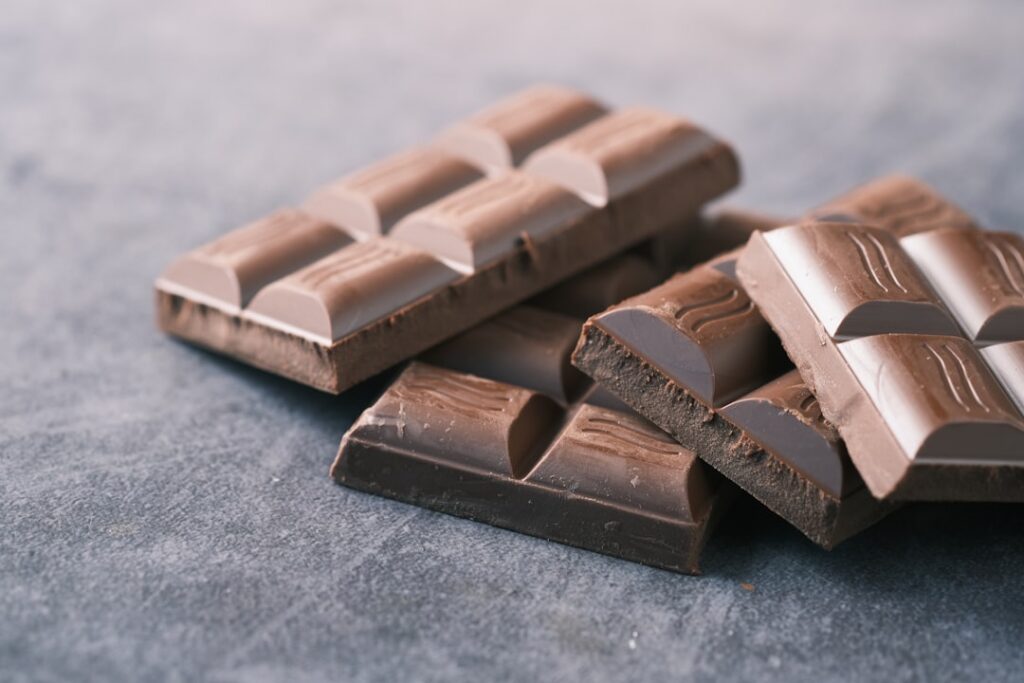
When you bite into a piece of dark chocolate, you immediately notice its distinct characteristics: a richer, often more bitter taste, a firmer snap, and a less milky texture compared to milk chocolate. These differences stem primarily from its composition.
Dark chocolate contains a higher percentage of cocoa solids, which are the non-fat components of the cacao bean. These solids are where the majority of chocolate’s beneficial compounds, such as flavanols and other antioxidants, reside. The higher the cocoa percentage, the more cocoa solids the chocolate contains, and generally, the less sugar and milk solids it will have.
Cocoa Percentage Explained
The cocoa percentage on a dark chocolate bar label tells you the total amount of ingredients derived from the cocoa bean. This includes cocoa solids (often called cocoa mass or cocoa liquor) and cocoa butter (the natural fat from the cocoa bean). It does not, however, typically include added sugars, emulsifiers, or other flavorings.
- Lower Percentage Dark Chocolate (e.g., 50-60%): This range usually has a balanced flavor, still quite sweet with a noticeable cocoa presence. It’s a good entry point for those transitioning from milk chocolate.
- Medium Percentage Dark Chocolate (e.g., 70-85%): This is often considered the sweet spot for health benefits and flavor intensity. It offers a robust cocoa flavor with less sugar and more antioxidants.
- High Percentage Dark Chocolate (e.g., 90% and above): These chocolates are very intense, often quite bitter, and contain minimal sugar. They are for true dark chocolate connoisseurs seeking the maximum cocoa experience and health benefits.
As the cocoa percentage increases, the sugar content typically decreases, and the concentration of beneficial plant compounds like flavanols increases. This is a crucial factor when considering chocolate’s impact on your health.
Comparing Milk Chocolate and Dark Chocolate
While both are derived from the cacao bean, milk and dark chocolate diverge significantly in their ingredient lists and, consequently, their nutritional profiles.
Ingredient Basics:
- Milk Chocolate: Contains cocoa solids, cocoa butter, sugar, milk powder (or condensed milk), and often emulsifiers like soy lecithin. The addition of milk and higher sugar content gives it its characteristic creamy texture and sweeter taste.
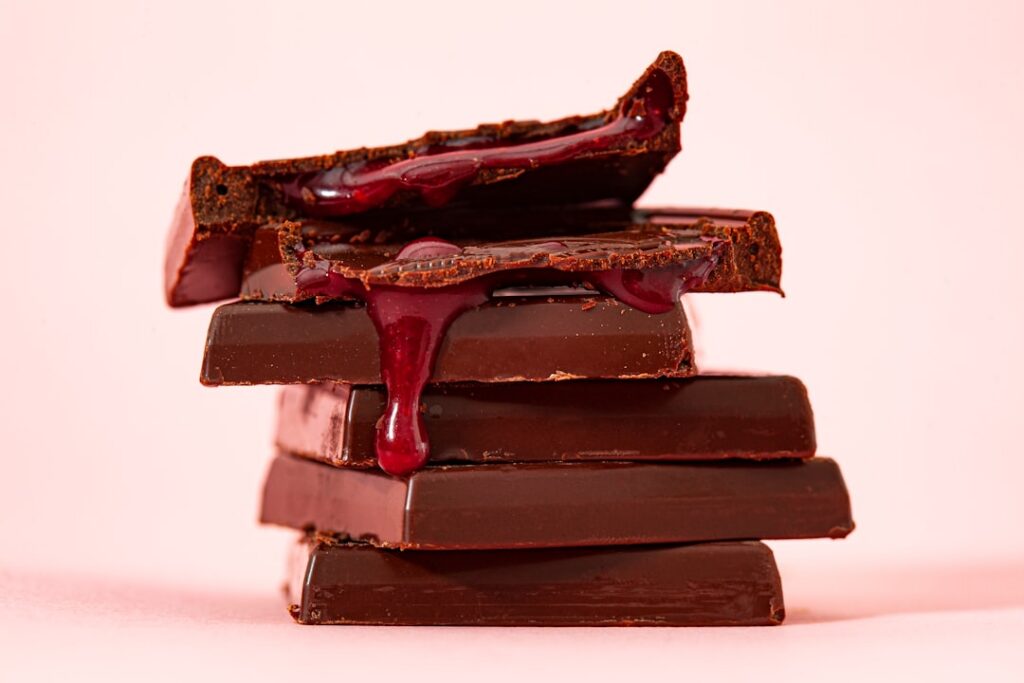
- Dark Chocolate: Primarily consists of cocoa solids, cocoa butter, and a smaller amount of sugar. Emulsifiers and vanilla extract might also be present. Importantly, true dark chocolate contains little to no milk solids, making many varieties suitable for a vegan diet.
Calories, Sugar and Fat
When comparing the two, it’s important to look beyond just calories and delve into the macronutrient breakdown:
- Sugar Content: This is arguably the most significant difference. Milk chocolate typically contains a much higher proportion of added sugars. A standard milk chocolate bar can have 50-60% of its weight as sugar, whereas a dark chocolate bar with 70-85% cocoa might have 20-30% sugar, and 90%+ varieties can have as little as 5-10%. Lower sugar intake is beneficial for overall health, including blood sugar management and dental health.
- Fat Content: Both types of chocolate contain fat, primarily from cocoa butter. Cocoa butter is a source of saturated fat, but it also contains oleic acid, a monounsaturated fat, and stearic acid, a saturated fat that research suggests may have a neutral effect on cholesterol levels when consumed in moderation. While dark chocolate might sometimes have a similar total fat content to milk chocolate, the overall nutritional context (less sugar, more beneficial compounds) makes a difference.
- Calories: Calorie counts can be surprisingly similar per serving for both types, especially if comparing high-quality milk chocolate to lower-percentage dark chocolate. However, due to its richness, people often consume smaller portions of dark chocolate, which can lead to lower calorie intake overall.
Always check the nutrition label for specific brands, as formulations can vary widely.
Antioxidants and Flavanols
Here’s where dark chocolate truly shines.
- Flavanols: These are a type of flavonoid, a powerful plant-based antioxidant found abundantly in cocoa beans. Flavanols are responsible for many of the potential health benefits associated with dark chocolate. They have been studied for their role in supporting heart health, improving blood flow, and potentially even enhancing cognitive function.
- Antioxidant Power: Dark chocolate, especially varieties with high cocoa percentages (70% or more), is packed with antioxidants like polyphenols and flavanols. These compounds help combat oxidative stress in the body, which is linked to aging and various chronic diseases. The ORAC (Oxygen Radical Absorbance Capacity) scale, a measure of antioxidant capacity, often places dark chocolate very high, surpassing many ‘superfoods’ like blueberries and acai.
Milk chocolate, due to its lower cocoa content and the addition of milk proteins, has significantly fewer flavanols and a reduced antioxidant capacity compared to dark chocolate. The milk may also interfere with the absorption of these beneficial compounds, although research on this specific interaction is ongoing.
Can Chocolate Be Part of a Healthy Diet?
Absolutely! The key is moderation and mindful consumption. Viewing chocolate not as a forbidden indulgence but as a treat that can provide certain benefits (especially dark chocolate) can shift your perspective.
Integrating chocolate into a healthy diet means:
- Prioritizing Whole Foods: Ensure your diet is primarily composed of fruits, vegetables, whole grains, lean proteins, and healthy fats. Treats like chocolate should complement, not replace, nutrient-dense foods.
- Listening to Your Body: Pay attention to how different foods make you feel. If a small piece of dark chocolate satisfies your craving, that’s a good sign.
- Choosing Quality: Opt for high-quality chocolate with minimal artificial ingredients.
Portion Control Tips
Even with dark chocolate’s benefits, it’s calorie-dense. Here’s how to enjoy it responsibly:
- Single-Serving Squares: Many high-quality dark chocolate bars are segmented into small squares. Stick to 1-2 squares (around 1 ounce or 30 grams) per day.
- Savor Each Bite: Don’t just gobble it down. Let a small piece melt slowly in your mouth, appreciating its complex flavors. This enhances satisfaction and prevents overeating.
- Combine with Other Foods: Pair dark chocolate with fruit (like berries or apple slices) or a small handful of nuts for added fiber and healthy fats, which can increase satiety.
- Pre-Portion: If you buy a larger bar, break it into individual serving sizes and store them separately.
Choosing the Best Chocolate
When you’re at the store, how do you pick the healthiest option?
- Go for Higher Cocoa Content: Look for dark chocolate with 70% cocoa or higher to maximize flavanols and minimize sugar.
- Check the Ingredient List: A short, simple ingredient list is often best. Look for cocoa mass, cocoa butter, and a small amount of sugar. Avoid long lists with unfamiliar additives, artificial flavors, or excessive sugar.
- Consider the Source: Some brands prioritize ethical sourcing and sustainable practices, which can be a personal preference.
- Unsweetened Cocoa Powder: For baking or hot cocoa, unsweetened cocoa powder (not Dutch-processed if you want maximum flavanols) is an excellent way to get cocoa benefits without added sugar or fat.
Common Chocolate Myths
Let’s debunk some popular misconceptions about chocolate:
- Myth 1: Chocolate Causes Acne. Research has largely disproven a direct link between chocolate consumption and acne. Breakouts are more complex and often related to hormones, genetics, and other dietary factors.
- Myth 2: All Chocolate is Bad for You. As we’ve discussed, high-quality dark chocolate can offer health benefits due to its antioxidant content. The