Stay Energized: Your Guide to Feeling Full All Day!
Do you often find yourself battling the dreaded mid-day slump? Are you constantly reaching for snacks shortly after a meal, feeling like your energy levels are on a rollercoaster? You’re not alone! Many people struggle with maintaining consistent energy and satiety throughout their day. The good news is that fueling your body with the right foods can make a significant difference, helping you feel full, focused, and energized from morning until night.
Understanding which foods promote lasting fullness and sustained energy is key to breaking free from the cycle of hunger pangs and energy crashes. Let’s dive into how you can eat smart to feel your best all day long.
The Science Behind Satiety and Sustained Energy
Feeling full, or satiated, is a complex process influenced by several factors, including the volume of food consumed, the presence of specific nutrients, and hormonal signals. Foods rich in protein, fiber, and healthy fats tend to promote satiety more effectively than those primarily composed of simple carbohydrates.
- Protein: Known for its ability to reduce appetite and keep you feeling full for longer. It requires more energy to digest, contributing to a higher thermic effect of food.
- Fiber: Especially soluble fiber, absorbs water and forms a gel-like substance in the digestive tract, slowing digestion and nutrient absorption. This helps stabilize blood sugar levels and prolongs feelings of fullness.
- Healthy Fats: While calorie-dense, healthy fats contribute to satiety by slowing stomach emptying. They also play a vital role in hormone production, which can impact appetite regulation.
- Complex Carbohydrates: Unlike simple sugars that provide a quick burst and then a crash, complex carbohydrates (found in whole grains, vegetables, and legumes) are digested slowly, providing a steady release of glucose into the bloodstream. This helps maintain stable energy levels without the dramatic peaks and valleys.
Key Nutrients for Lasting Fullness and Energy
Protein Power
Protein is a powerhouse nutrient for satiety. It helps release hormones that signal fullness to your brain. Incorporating a good source of protein into every meal can significantly impact how long you feel satisfied.
- Examples: Eggs, lean meats (chicken, turkey), fish (salmon, tuna), Greek yogurt, cottage cheese, tofu, lentils, beans.
Fiber-Rich Foods
Fiber adds bulk to your meals, making you feel full without adding many calories. It also aids digestion and helps regulate blood sugar. Aim for both soluble and insoluble fiber sources.
- Examples: Oats, whole grains, fruits (berries, apples), vegetables (broccoli, spinach), legumes, nuts, seeds.
Healthy Fats
Don’t shy away from fats – the right kind of fats can be incredibly beneficial. Monounsaturated and polyunsaturated fats help slow down digestion, keeping you feeling satisfied longer.
- Examples: Avocados, nuts (almonds, walnuts), seeds (chia, flax), olive oil, fatty fish.
Complex Carbohydrates
While often demonized, carbohydrates are your body’s primary source of energy. Opt for complex carbohydrates that are digested slowly, providing a sustained energy release.
- Examples: Whole grain bread, brown rice, quinoa, sweet potatoes, oats.
Top Foods to Keep You Full and Energized
Here’s a list of fantastic foods you can incorporate into your diet to boost satiety and energy:
- Eggs: A complete protein, incredibly versatile for breakfast or any meal.
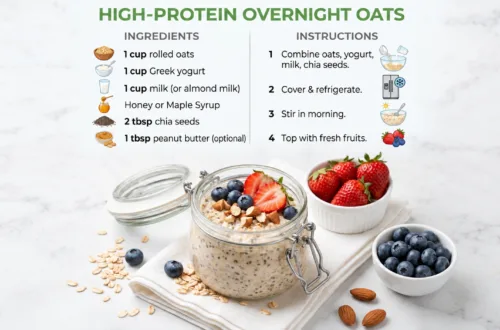
- Oats: Rich in soluble fiber, they create a feeling of fullness and provide sustained energy.
- Legumes (Lentils, Beans, Chickpeas): Packed with protein and fiber, excellent for plant-based meals.
- Nuts and Seeds: Offer a combination of healthy fats, protein, and fiber, making them a great snack or meal addition.
- Avocado: High in monounsaturated fats and fiber, providing a creamy texture and satiety.
- Leafy Greens and Non-Starchy Vegetables: Low in calories but high in fiber and nutrients, adding volume to your meals.
- Lean Proteins: Chicken breast, fish, and tofu are excellent sources of protein to build your meals around.
- Whole Grains (Quinoa, Brown Rice, Whole Wheat Pasta): Deliver complex carbohydrates for steady energy.
- Greek Yogurt: High in protein and often contains probiotics, making it a filling and gut-friendly option.
Practical Tips for Sustained Fullness and Energy
Beyond choosing the right foods, how you eat also plays a significant role in how you feel throughout the day.
Stay Hydrated
Sometimes, what feels like hunger is actually thirst. Drinking enough water throughout the day can help manage appetite and maintain energy levels. Aim for at least 8 glasses a day, and try drinking a glass before meals.
Build Balanced Meals
Combine protein, fiber-rich carbohydrates, and healthy fats in each meal. For instance, instead of just toast, have whole-wheat toast with avocado and an egg. This synergy of nutrients works best to keep you full and energized.
Practice Mindful Eating
Eat slowly, pay attention to your body’s hunger and fullness cues, and savor your food. This allows your brain to register when you’ve had enough, preventing overeating and promoting better digestion.
Don’t Skip Meals
Skipping meals can lead to extreme hunger later, often resulting in overeating or making less healthy food choices. Aim for regular meal times and healthy snacks if needed.
Limit Processed Foods
Highly processed foods often lack fiber, protein, and healthy fats, leading to quick energy spikes and subsequent crashes, leaving you feeling hungry again soon after.
Important Note
The information provided in this article is for educational purposes only and is not intended as a substitute for professional medical advice, diagnosis, or treatment. Always seek the advice of your physician or other qualified health provider with any questions you may have regarding a medical condition or before making any dietary changes.
Conclusion
By making conscious food choices that prioritize protein, fiber, and healthy fats, and incorporating smart eating habits, you can effectively manage your hunger, stabilize your energy levels, and enhance your overall well-being. Start experimenting with these tips and foods to discover what works best for your body, and enjoy a day filled with sustained energy and satisfying fullness!