Unlock the Nutty Truth: 100 Calories Unpacked!
Nuts are nutritional powerhouses, packed with healthy fats, protein, fiber, and essential vitamins and minerals. They make excellent snacks that can keep you feeling full and satisfied, supporting your overall wellness journey. However, due to their rich nutrient density, nuts are also calorie-dense. This means portion control becomes key, especially when you’re aiming for mindful eating and maintaining a balanced caloric intake.
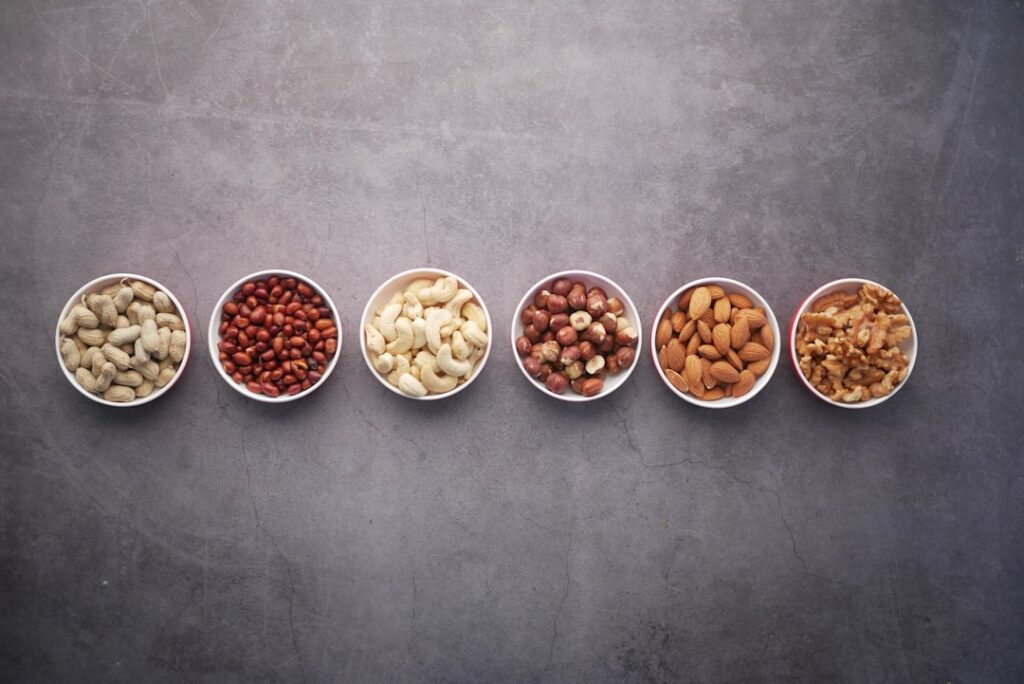
Ever wondered what 100 calories of your favorite nuts actually looks like? It might be less (or more!) than you imagine. Understanding these visual cues can be a game-changer for mastering delicious portion control without needing to meticulously weigh every single nut. Let’s unpack the nutty truth together!
Why Focus on 100-Calorie Portions?
For many, 100-calorie portions serve as a helpful benchmark for managing snack intake. While your daily caloric needs may vary, visually understanding what this quantity looks like for different foods can build intuition around portion sizes. This approach moves beyond strict counting and empowers you to make informed, mindful choices, ensuring you get the benefits of nuts without overdoing it.
Your Visual Guide to 100 Calories of Popular Nuts
Let’s dive into the specifics! Keep in mind that these are approximate numbers, as nut sizes can vary. This guide is designed to give you a general visual understanding.
Almonds: The Heart-Healthy Crunch
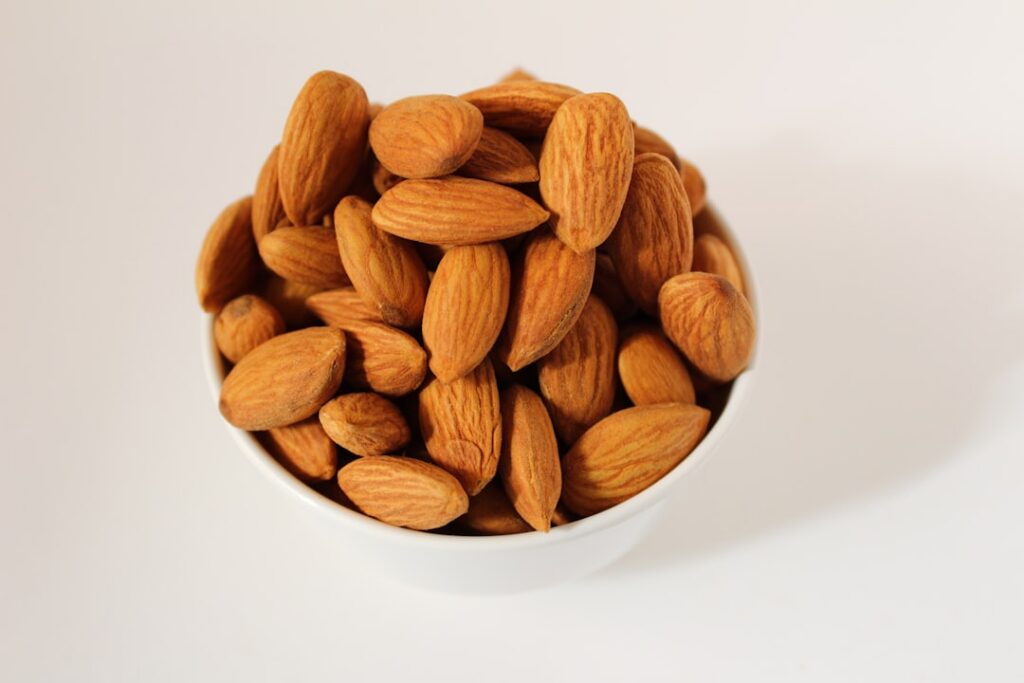
Almonds are famous for their vitamin E, magnesium, and healthy fats. They’re a fantastic snack for heart health and can contribute to feelings of satiety.
What 100 calories looks like: Approximately 14-16 whole almonds.
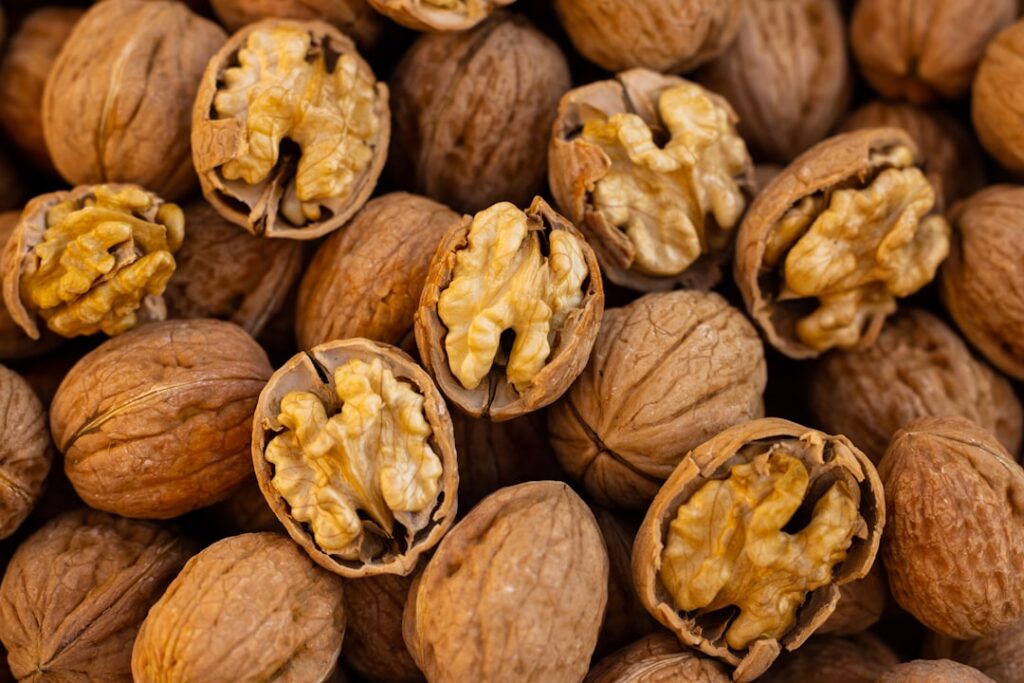
Walnuts: Brain-Boosting Bites
Often hailed as a brain food, walnuts are rich in omega-3 fatty acids, antioxidants, and anti-inflammatory compounds. They have a distinct, slightly bitter flavor.
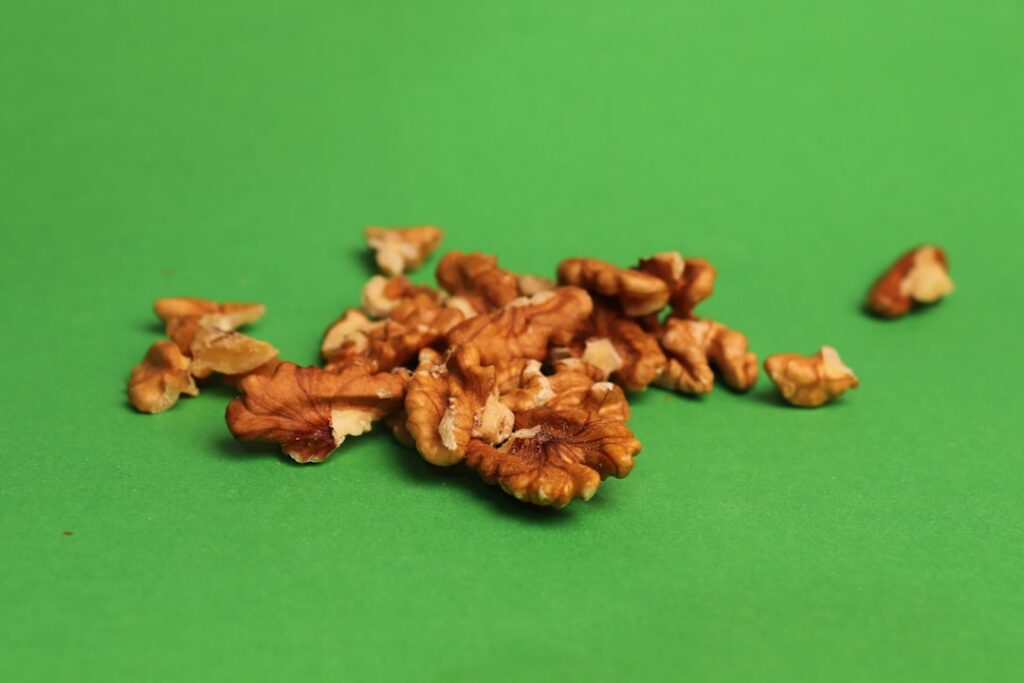
What 100 calories looks like: Approximately 7 walnut halves.
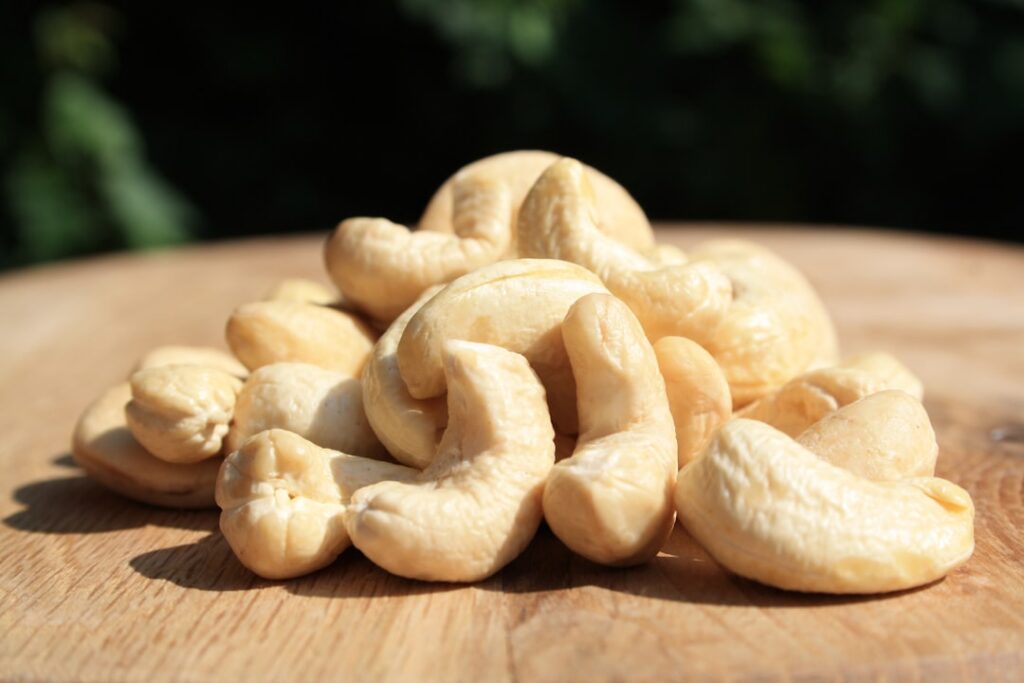
Cashews: Creamy Indulgence
With their buttery texture and sweet flavor, cashews are a popular choice. They provide copper, magnesium, and healthy monounsaturated fats.
What 100 calories looks like: Approximately 9-10 whole cashews.
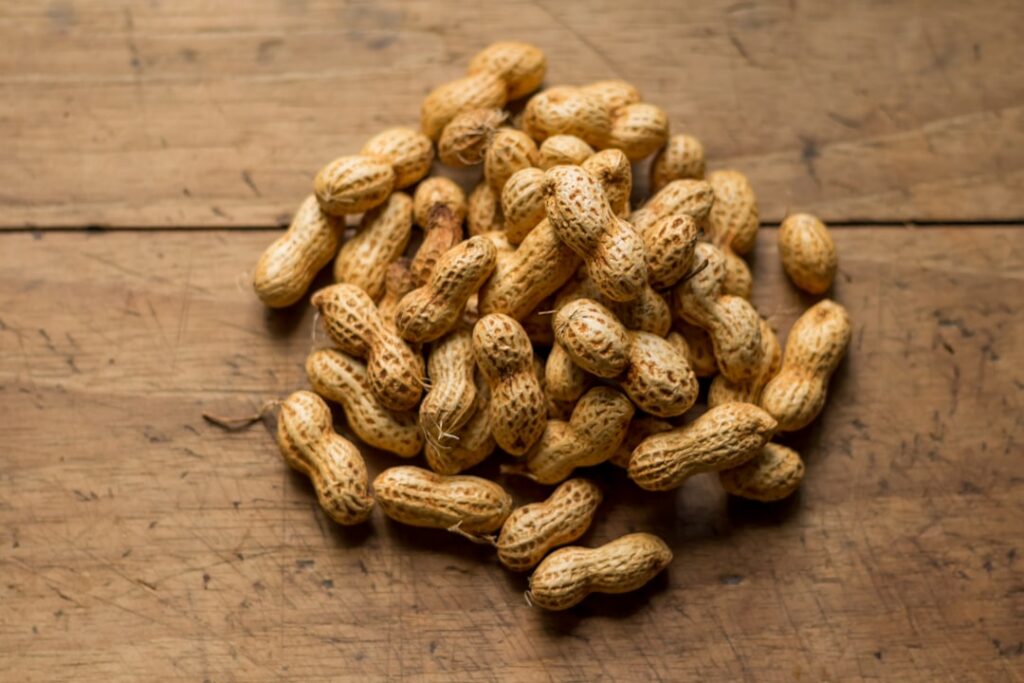
Peanuts: The Ubiquitous Legume (Often Eaten Like a Nut!)
Though botanically a legume, peanuts are nutritionally similar to nuts and a global favorite. They offer protein, fiber, and resveratrol.
What 100 calories looks like: Approximately 16-18 shelled peanuts.
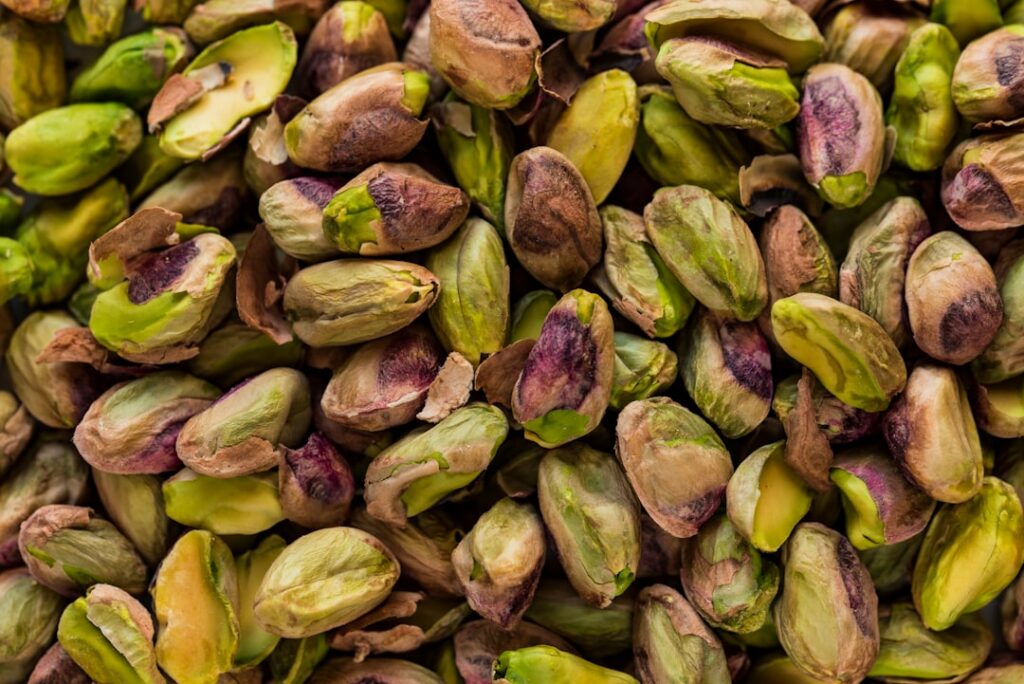
Pistachios: The Green Goodness
Pistachios are fun to eat, especially in their shells, which can naturally slow down your eating. They are a good source of protein, fiber, and potassium.
What 100 calories looks like: Approximately 25-30 shelled pistachios (or even more if still in shells, as the shell weight isn’t counted).
Pecans: Rich and Buttery
Pecans are known for their rich, buttery flavor and are packed with antioxidants. They are particularly beneficial for heart health.
What 100 calories looks like: Approximately 5-6 pecan halves.
Brazil Nuts: Selenium Superstars
Brazil nuts are uniquely rich in selenium, an essential mineral that supports thyroid function and has antioxidant properties. Just a few can meet your daily needs!
What 100 calories looks like: Approximately 3-4 whole Brazil nuts.
Tips for Mindful Snacking with Nuts
- Pre-Portion: Divide larger bags of nuts into smaller, 100-calorie portions (or your desired serving size) using small containers or snack bags.
- Eat Slowly: Savor each nut, appreciating its flavor and texture. This can help signal to your brain when you’re satisfied.
- Eliminate Distractions: Avoid snacking while watching TV, working, or scrolling through your phone. Pay attention to your hunger and fullness cues.
- Listen to Your Body: Eat when you’re truly hungry, not just out of boredom or habit. Stop when you feel comfortably full.
- Choose Wisely: Opt for raw or dry-roasted, unsalted nuts to avoid added oils and sodium.
Embrace Mindful Snacking!
Understanding what 100 calories of different nuts looks like can transform your snacking habits from automatic to mindful. Nuts are an incredibly healthy addition to almost any diet, providing essential nutrients and satisfying cravings. By practicing portion control and mindful eating, you can fully enjoy their benefits without unintended caloric excess. Which nut portion surprised you the most?
Disclaimer: This article is for educational and informational purposes only and is not intended as a substitute for professional medical advice, diagnosis, or treatment. Always seek the advice of your physician or other qualified health provider with any questions you may have regarding a medical condition.