Most people walk right past plantain (Plantago major), dismissing it as just another common weed. But what if we told you this unassuming garden guest holds a long history as a versatile traditional remedy? The truth is, the plantain leaf has been a staple in home wellness for generations, prized for its practical applications in soothing the skin and supporting general well-being. Knowing how to properly harvest, prepare, and use this resilient plant can unlock a simple, effective addition to your natural care toolkit.
One small preparation mistake can diminish its effectiveness, and knowing the right way to turn these leaves into a beneficial tea or balm is key. This guide will walk you through the exact steps, from identifying the plant to creating your own soothing remedies.
What is Plantain (Plantago major)?
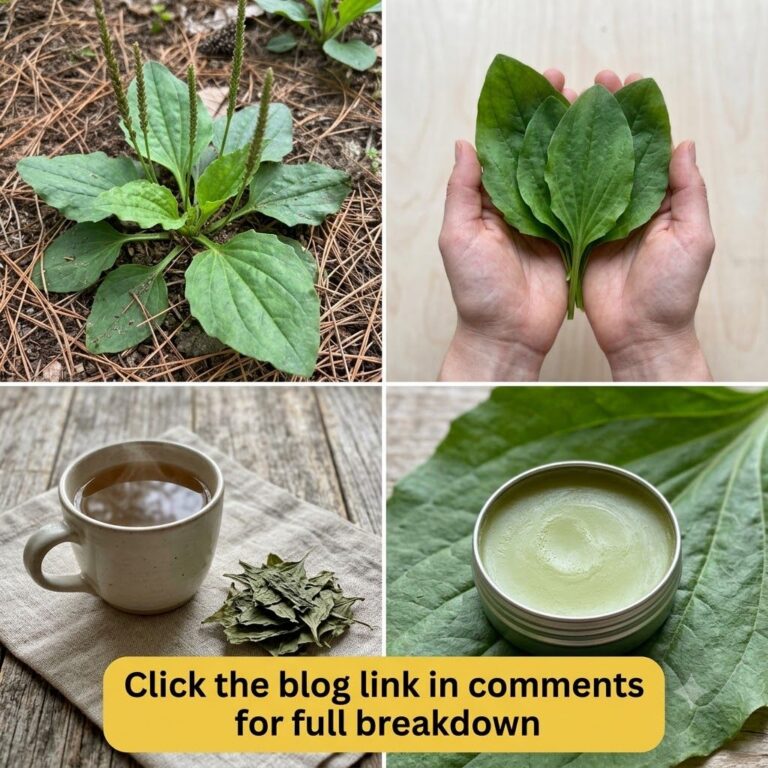
Often confused with the banana-like fruit, the plant we’re discussing is the common plantain herb, Plantago major. It’s a low-growing, broad-leafed perennial found worldwide, thriving in disturbed soil like garden paths, lawns, and driveways. Its distinctive parallel veins running along the oval-shaped leaves make it relatively easy to identify. This resilient “weed” is the source of many traditional preparations, primarily utilizing its leaves.
Ingredients You’ll Need
For Plantain Leaf Tea:
- Fresh or dried plantain leaves
- Hot water
For Plantain Infused Oil (Balm Base):
- Fresh or dried plantain leaves (approximately 1 cup loosely packed fresh or 1/2 cup dried)
- Carrier oil (such as olive oil, almond oil, or jojoba oil)
Approximate Measurements
For Plantain Leaf Tea:
- Dried Leaves: 1-2 teaspoons per 8 oz (240ml) cup of water
- Fresh Leaves: 2-3 medium-sized leaves, torn or chopped, per 8 oz (240ml) cup of water
For Plantain Infused Oil:
- Leaves: Enough to loosely fill a clean, dry glass jar (e.g., 16 oz jar) about halfway.
- Carrier Oil: Enough to completely cover the leaves, leaving about an inch of headspace.
Formula / Recipe: Plantain Leaf Tea & Infused Oil
Making Plantain Leaf Tea:
This simple preparation is excellent for a soothing warm drink. The key is proper steeping to extract the beneficial compounds without making it overly bitter.
- Harvest/Prepare Leaves: If using fresh leaves, rinse them thoroughly under cool water and pat dry. Tear or chop them into smaller pieces. If using dried leaves, measure them out.
- Heat Water: Bring fresh water to a boil.
- Combine: Place the plantain leaves in a mug or teapot. Pour the hot water over the leaves.
- Steep: Cover your mug or teapot to retain volatile compounds. Steep for 10-15 minutes. Steeping longer can result in a stronger, potentially more bitter tea.
- Strain: Strain the leaves from the liquid using a fine-mesh sieve or tea infuser.
- Enjoy: Your plantain tea is ready to drink.
Making Plantain Infused Oil (Base for Balm):
An infused oil captures the properties of plantain in an oil base, which can then be used directly or as a foundation for a balm.
- Prepare Leaves: If using fresh plantain leaves, it’s crucial to wilt them for 12-24 hours to reduce moisture content. This prevents mold in your oil. Spread them on a clean cloth in a well-ventilated area away from direct sunlight. If using dried leaves, ensure they are completely dry and free of moisture. Chop the leaves into small pieces to increase their surface area.
- Fill Jar: Loosely fill a clean, dry glass jar (e.g., a Mason jar) with your prepared plantain leaves.
- Add Oil: Pour your chosen carrier oil over the leaves, ensuring they are completely submerged. Use a knife or spoon to release any trapped air bubbles.
- Infusion Method (Solar/Warm):
- Solar Infusion (Traditional): Place the capped jar in a sunny window or warm spot for 2-4 weeks. Shake gently every day or two.
- Warm Infusion (Faster): Place the jar (uncapped, or with a lid that allows steam to escape) in a double boiler or a slow cooker on the “warm” setting (lowest possible temperature). Gently heat for 2-4 hours, ensuring the oil never gets too hot to touch.
- Strain: After the infusion period, strain the oil through a cheesecloth or fine-mesh sieve into another clean, dry jar. Squeeze the leaves firmly to extract all the oil.
- Store: Label and store your infused oil in a cool, dark place.
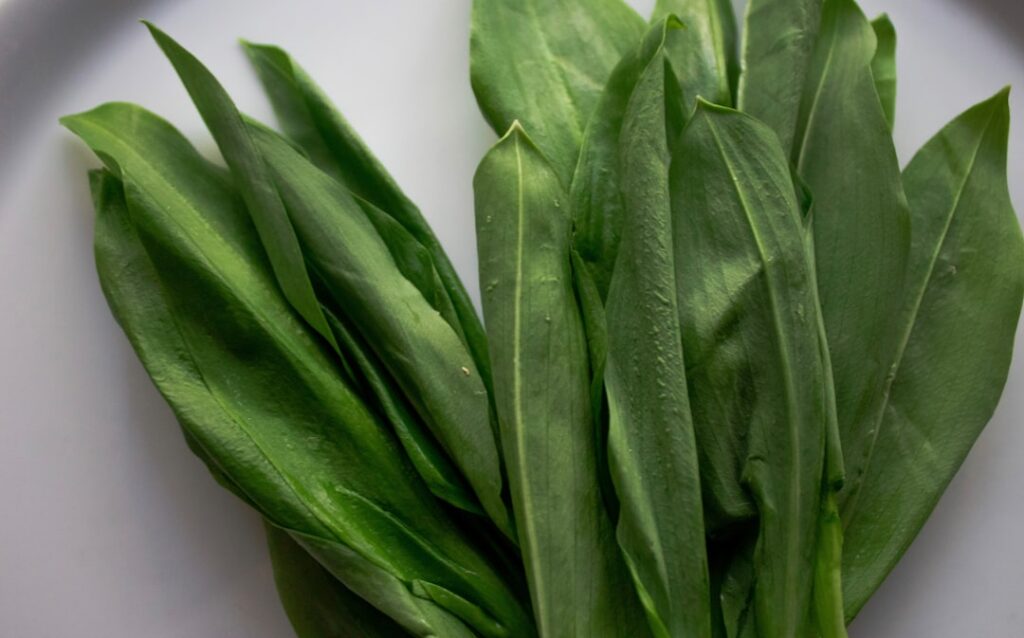
Quick Tip: Fresh vs. Dried Plantain
| Feature | Fresh Plantain Leaves | Dried Plantain Leaves |
|---|---|---|
| Availability | Seasonal, grows wild | Year-round, can be bought or dried at home |
| Preparation for Tea | Rinse, tear/chop, steep | Measure, steep |
| Preparation for Oil | Must wilt thoroughly to prevent mold | Ready to use, less moisture concern |
| Potency | Potentially higher volatile compounds | Stable, consistent potency if stored well |
| Storage | Short term (refrigerated) | Long term (airtight container) |
How to Use Your Plantain Preparations
Plantain Tea:
Drink plantain tea warm. It’s often enjoyed for its mild, earthy flavor. Some people add a touch of honey or lemon to taste.
Plantain Infused Oil (or Balm):
Apply the infused oil directly to the skin. If turning it into a balm, gently melt 1 oz (28g) beeswax pellets per 4-5 oz (120-150ml) of infused oil in a double boiler. Once melted, pour into clean tins or jars and let cool completely to set. Apply this balm topically to skin as needed.
How Often to Use
Plantain Tea:
Enjoy 1-2 cups of plantain tea daily as desired. There&rsquos no strict limit, but moderation is always recommended.
Plantain Infused Oil/Balm:
Apply topically 2-3 times a day, or as needed, to affected areas. For general skin support, a single daily application may suffice.
How to Buy / How to Choose Ingredients
The best way to ensure quality plantain is to harvest it yourself from an unsprayed, clean environment. Look for vibrant green leaves free from blemishes or insect damage. If purchasing dried plantain, choose organic sources from reputable herbal suppliers to avoid contaminants. For carrier oils, opt for cold-pressed, organic varieties.
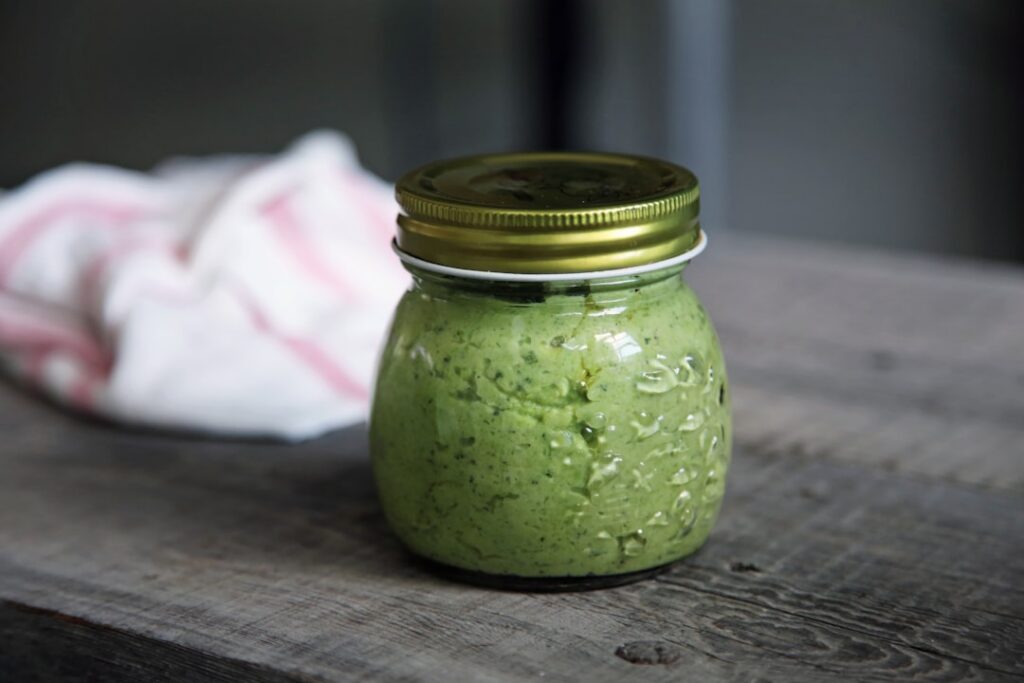
Storage
Dried Plantain Leaves:
Store in an airtight container in a cool, dark, and dry place. Properly dried leaves can last for up to one year.
Plantain Tea:
Freshly brewed tea is best consumed immediately. You can refrigerate any leftover tea in an airtight container for up to 24 hours, but its potency may decrease.
Plantain Infused Oil:
Store in a dark glass bottle in a cool, dark place. It will typically last as long as the shelf life of your carrier oil, usually 6 months to 1 year. Adding a small amount of Vitamin E oil (about 1/4 teaspoon per cup of oil) can help extend shelf life.
Plantain Balm:
Store in a clean, airtight tin or jar in a cool, dark place. Balms can last 6 months to 1 year, depending on the freshness of your oil and the cleanliness of your preparation.
Practical Tips
- Harvesting: Harvest plantain leaves in the morning after the dew has dried, ensuring the plant has not been sprayed with pesticides or herbicides.
- Drying Leaves: To dry plantain leaves, spread them in a single layer on a screen or clean cloth in a well-ventilated area away from direct sunlight. Turn them periodically until they are completely brittle.
- Quality Oil: Use high-quality carrier oils for your infusion, as rancid oil will affect the balm’s effectiveness and shelf life.
- Cleanliness: Always use clean, sterilized jars and utensils when making infused oils and balms to prevent contamination.
Common Mistakes
- Using wet leaves for oil infusion: This is the most common mistake and will lead to mold growth in your oil, making it unusable. Always wilt fresh leaves or use completely dried ones.
- Boiling plantain leaves for tea: Boiling can damage delicate compounds. Always steep in hot, not boiling, water.
- Using sprayed plants: Harvesting plantain from areas treated with chemicals is unsafe. Always confirm your source is clean.
- Improper storage: Exposure to light, heat, or air can reduce the potency and shelf life of your preparations.
- Skipping straining for oil: Not thoroughly straining the oil can leave plant material behind, leading to spoilage.
Cautions / Who Should Avoid It
Plantain is generally considered safe for topical use and internal consumption as a tea in moderate amounts. However:
- Pregnancy and Breastfeeding: Consult with a healthcare professional before using any herbal remedies.
- Allergies: If you have allergies to other plants in the Plantaginaceae family, exercise caution.
- Medication Interactions: While rare, discuss any new herbal remedies with your doctor, especially if you are on medication.
- Open Wounds: While plantain is often used for minor skin irritations, apply to severely open or infected wounds only under professional guidance.
Natural remedies should complement, not replace, professional medical care.
Quick Summary
Plantain is a simple, effective herb for home remedies.
- Best Preparation: Tea for internal use, infused oil/balm for topical application.
- Best Use-Case: Tea for a soothing drink; balm for skin comfort.
- Storage: Dried leaves (airtight, dark, dry), tea (fresh), oil/balm (dark glass, cool, dark place).
- When to Use: Tea daily as desired; balm 2-3 times daily for skin.
- What to Avoid: Wet leaves in oil, sprayed plants, extended boiling for tea.
FAQ
- Can I use fresh or dried plantain leaves for tea? Both work. Fresh leaves may have a slightly different flavor profile.
- How long does plantain-infused oil last? Typically 6 months to 1 year, depending on the carrier oil and storage conditions.
- Can I refrigerate plantain tea? Yes, for up to 24 hours, but fresh is always best for potency.
- How often should I apply plantain balm? 2-3 times daily, or as needed, for skin support.
- What part of the plantain is best for remedies? The leaves are primarily used for teas and topical preparations.
- Can I reuse the leaves for another batch of tea? It’s not recommended, as most of the beneficial compounds will have been extracted in the first steep.
- When is the best time to harvest plantain? In the morning after dew has dried, before the plant flowers for optimal leaf quality.
- Is plantain the same as banana plantain? No, they are entirely different plants. This article refers to the herb Plantago major.
Embrace the simplicity and effectiveness of plantain in your home remedy collection. This often-overlooked plant offers accessible solutions for everyday wellness, proving that sometimes, the most potent remedies are right under our feet.
You may also like: The Essential Guide to DIY Herbal Salve Making
Continue with: Discovering the Benefits of Homemade Herbal Teas