Turning 40 marks a pivotal moment in life, a perfect time to reassess your lifestyle and, most importantly, how you fuel your body. As we step into our 40s and beyond, our nutritional needs shift, making the right food choices even more critical for maintaining vitality, preventing age-related concerns, and ensuring overall well-being. Focusing on nutrient-dense foods can help support everything from brain health and heart function to strong bones and a healthy metabolism. It’s about more than just eating; it’s about empowering your body to thrive in this new chapter.
This guide highlights the best foods after 40, drawing insights from powerful natural ingredients that can help you feel your best. We’ll explore twelve essential foods, rich in the vitamins, minerals, and healthy fats your body needs to navigate the changes that come with age, helping you unlock the power of nutrition to support your well-being.
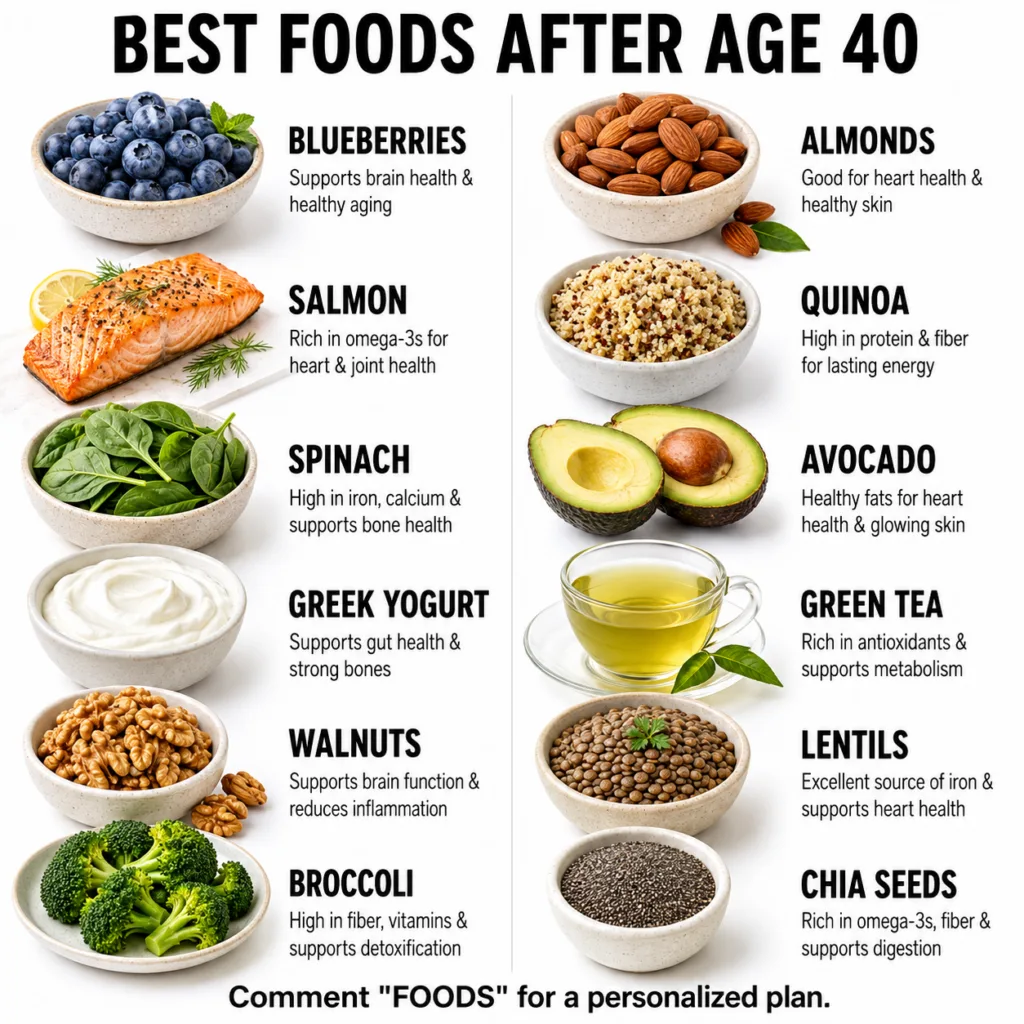
1. Blueberries: Your Brain’s Best Friend
Often hailed as a superfood, blueberries are packed with antioxidants, especially anthocyanins, which give them their vibrant color. For those over 40, these tiny berries may play a significant role in supporting cognitive function and memory. Their antioxidant power also extends to protecting your heart and reducing inflammation throughout the body.
How to Enjoy Them:
- Add a handful to your morning oatmeal or Greek yogurt.
- Blend into smoothies for a refreshing boost.
- Enjoy as a simple, healthy snack.
2. Salmon: The Omega-3 Powerhouse
Wild-caught salmon is renowned for its high content of omega-3 fatty acids, particularly EPA and DHA. These essential fats are crucial for brain health, supporting cognitive function, mood regulation, and protecting against age-related cognitive decline. Omega-3s also contribute to cardiovascular health by lowering blood pressure and reducing inflammation, making salmon an excellent choice for heart health after 40.
How to Enjoy It:
- Bake or grill a fillet with herbs and lemon.
- Flake cooked salmon into salads or whole-grain wraps.
- Look for high-quality wild-caught salmon for optimal benefits.
3. Spinach: Green Leafy Goodness
Spinach is a nutrient-dense leafy green, brimming with vitamins (like K, A, and C), minerals (like iron and magnesium), and antioxidants. These nutrients are vital for maintaining bone density, supporting eye health (thanks to lutein and zeaxanthin), and providing overall cellular protection. Incorporating spinach regularly can contribute to a healthy, vibrant body.
How to Enjoy It:
- Sauté with garlic as a simple side dish.
- Add fresh spinach to smoothies, salads, or sandwiches.
- Mix into pasta dishes or stir-fries.
4. Greek Yogurt: Protein for Muscle Health
As we age, maintaining muscle mass becomes increasingly important. Greek yogurt is an excellent source of high-quality protein, which is essential for muscle repair and growth. It also contains beneficial probiotics that support gut health, aiding digestion and potentially boosting immunity. Opt for plain, unsweetened varieties to avoid added sugars.
How to Enjoy It:
- Top with berries and nuts for a protein-rich breakfast.
- Use as a base for smoothies.
- Substitute for sour cream in recipes.
5. Walnuts: Brain and Heart Support
Walnuts are unique among nuts for their significant content of alpha-linolenic acid (ALA), a plant-based omega-3 fatty acid. This makes them beneficial for both brain and heart health, much like salmon. They also provide antioxidants and may help reduce inflammation. Including walnuts in your diet can be a delicious way to support cognitive function and cardiovascular well-being.
How to Enjoy Them:
- Snack on a handful as part of a balanced diet.
- Add to salads, cereals, or baked goods.
- Chop and sprinkle over stir-fries.
6. Broccoli: Fiber-Rich Anti-Inflammatory
This cruciferous vegetable is a powerhouse of nutrition, offering a rich supply of fiber, vitamins (especially C and K), and potent anti-inflammatory compounds. The fiber in broccoli supports digestive health and can help regulate blood sugar levels, while its anti-inflammatory properties may contribute to a reduced risk of chronic diseases. It’s a cornerstone for a healthy diet after 40.
How to Enjoy It:
- Steam, roast, or stir-fry as a versatile side dish.
- Add to soups, stews, or casseroles.
- Enjoy raw with a healthy dip.
7. Almonds: Healthy Fats and Vitamin E
Almonds are a fantastic source of healthy monounsaturated fats, fiber, and vitamin E, a powerful antioxidant. These nutrients work together to support heart health by helping to lower bad cholesterol levels and protect against oxidative damage. The fiber content also promotes satiety and digestive regularity.
How to Enjoy Them:
- Grab a small handful as a satisfying snack.
- Add to cereals, yogurt, or salads for crunch.
- Use almond butter on whole-grain toast.
8. Quinoa: Complete Plant-Based Protein
For those seeking plant-based protein sources, quinoa stands out as a complete protein, meaning it contains all nine essential amino acids your body can’t produce on its own. It’s also high in fiber, which aids digestion, helps manage blood sugar, and keeps you feeling full. Quinoa is a versatile grain that makes an excellent base for various meals.
How to Enjoy It:
- Substitute for rice or couscous.
- Use as a base for grain bowls with vegetables and protein.
- Incorporate into salads or veggie burgers.
9. Avocado: Healthy Fats and Potassium
Creamy and delicious, avocados are loaded with healthy monounsaturated fats, which are beneficial for heart health and can help improve cholesterol levels. They are also an excellent source of potassium, a mineral vital for blood pressure regulation. Beyond that, avocados contain various vitamins and minerals, contributing to overall well-being and a healthy glow.
How to Enjoy It:
- Slice onto toast or into salads.
- Mash into guacamole.
- Add to smoothies for a creamy texture.
10. Green Tea: Antioxidant and Metabolism Booster
Green tea is much more than a comforting beverage; it’s packed with powerful antioxidants, particularly catechins, which have been linked to numerous health benefits. These include supporting metabolism, potentially aiding in weight management, and helping to protect against chronic diseases. Regularly sipping on green tea can be a simple yet effective strategy for wellness after 40.
How to Enjoy It:
- Brew hot or iced daily.
- Look for organic, high-quality green tea leaves.
- Consider matcha for a concentrated form of its benefits.
11. Lentils: Protein, Fiber, and Iron
Lentils are a nutritional powerhouse, offering an impressive amount of plant-based protein and dietary fiber. They are also a good source of iron, an important mineral for energy production, especially for women after 40. The fiber in lentils not only supports digestive health but also helps stabilize blood sugar levels, making them excellent for sustained energy and satiety.
How to Enjoy Them:
- Make hearty lentil soups or stews.
- Add to salads or serve as a side dish.
- Use as a base for vegetarian sloppy joes or tacos.
12. Chia Seeds: Fiber, Omega-3s, and Calcium
These tiny seeds are mighty! Chia seeds are an incredible source of fiber, helping to keep your digestive system regular and promoting a feeling of fullness. They also provide plant-based omega-3 fatty acids and a good amount of calcium, essential for bone health. Their versatility makes them easy to incorporate into almost any diet, and they are excellent for those looking for healthy breakfast ideas to manage weight.
How to Enjoy Them:
- Make chia seed pudding with your favorite milk and fruit.
- Add to smoothies or yogurt.
- Sprinkle over salads or oatmeal.
Common Questions About Eating Well After 40
How can I naturally boost my metabolism after 40?
Focus on nutrient-dense foods, adequate protein intake (like from Greek yogurt and salmon), and include metabolism-boosting foods such as green tea. Regular physical activity, especially strength training, also plays a crucial role.
Are there any foods to avoid after 40?
While the focus should be on what to include, it’s generally beneficial to limit highly processed foods, excessive added sugars, and unhealthy trans fats. These can contribute to inflammation and other health issues.
What are some easy ways to incorporate these foods into my diet?
Start small! Add a handful of blueberries to your breakfast, swap white rice for quinoa, snack on almonds or walnuts, and aim for a serving of salmon or lentils a few times a week. Meal prepping can also make it easier to consistently include these healthy options.
Can these foods help with weight management after 40?
Absolutely. Many of these foods are high in fiber (like lentils, chia seeds, broccoli) and protein (Greek yogurt, salmon, quinoa), which promote satiety and help manage blood sugar levels, contributing to healthy weight management when combined with a balanced diet and regular activity.