Boost Your Health with Potassium: Essential for Fluid Balance and Beyond
Feeling a little off, perhaps a bit bloated? Sometimes, the simplest solutions lie in understanding our body’s essential nutrients. Today, let’s shine a spotlight on potassium, a powerhouse mineral crucial for maintaining your overall health and vitality. Often overlooked, potassium plays a significant role in how well your body functions, from your heart to your muscles.
At Wellness Daily, we believe in empowering you with knowledge about how everyday foods can contribute to a healthier you. Let’s dive into why potassium is so important and how you can easily incorporate more of it into your diet.
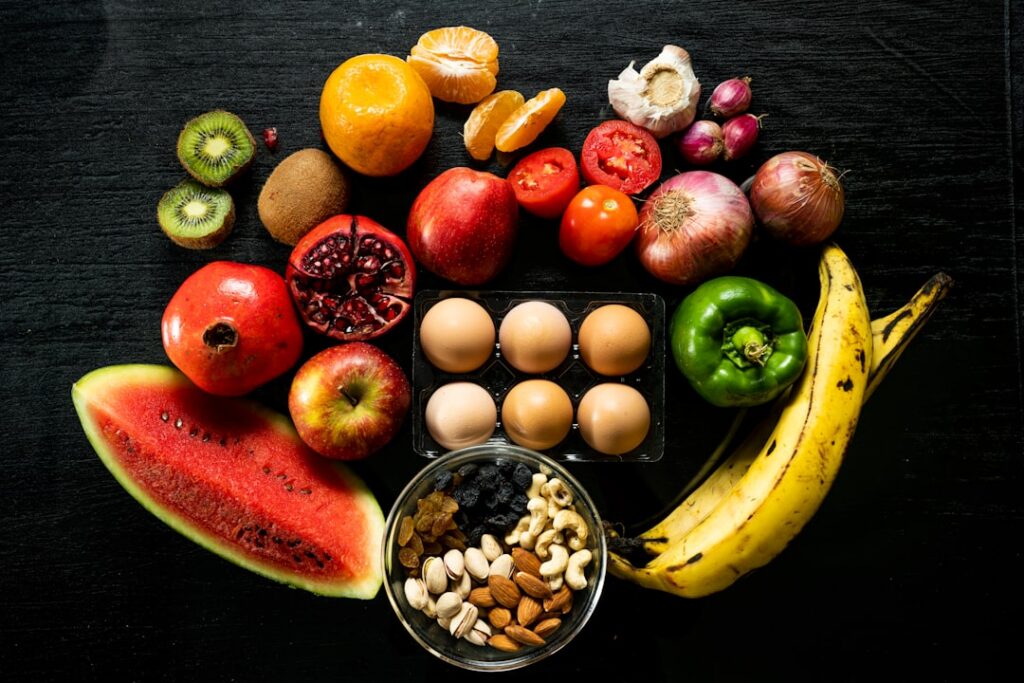
What is Potassium and Why is it Essential?
Potassium is an electrolyte, meaning it’s a mineral that carries an electrical charge when dissolved in body fluids like blood. These electrolytes are vital for a multitude of bodily processes, including nerve signaling, muscle contractions, and maintaining proper fluid balance. Your body cannot produce potassium, so it’s essential to get it from your diet.
Balancing Fluids and Reducing Bloating
One of potassium’s most well-known benefits is its role in fluid balance. Working in conjunction with sodium, potassium helps regulate the amount of water inside and outside your cells. An imbalance can lead to issues like water retention and bloating.
When your diet is high in sodium and low in potassium, your body may hold onto more water. By increasing your potassium intake, you can help counteract the effects of excess sodium, thereby supporting healthy fluid levels and potentially reducing feelings of bloat. This is why you often hear about bananas being recommended for those feeling puffy!
Other Key Benefits of Potassium
- Blood Pressure Regulation: Research consistently suggests that a diet rich in potassium may help support healthy blood pressure levels. Potassium helps to relax blood vessel walls, which can contribute to lower blood pressure.
- Muscle Function: Potassium is essential for normal muscle contraction, including the crucial muscles of your heart. Adequate levels help prevent muscle cramps and weakness.
- Nerve Signals: This mineral is critical for transmitting nerve impulses throughout your body, which are vital for communication between your brain and muscles, and for regulating your heartbeat.
- Bone Health: Some studies indicate that a higher potassium intake may be associated with better bone mineral density, particularly in older adults.
Top Food Sources of Potassium
The good news is that many delicious and accessible foods are packed with potassium. Incorporating these into your daily meals is a simple way to boost your intake:
- Fruits: Bananas, oranges, cantaloupe, honeydew, apricots, grapefruit, and prunes.
- Vegetables: Spinach, broccoli, potatoes (especially with the skin), sweet potatoes, tomatoes (and tomato products like sauce), kale, and avocados.
- Legumes: Kidney beans, black beans, lentils, and chickpeas.
- Dairy/Alternatives: Milk, yogurt, and some plant-based milks fortified with potassium.
- Fish: Salmon, tuna, and cod are good sources.
- Nuts and Seeds: Almonds, walnuts, and sunflower seeds contain potassium.
Incorporating Potassium into Your Daily Diet
Making small dietary changes can lead to significant benefits. Here are some practical tips to increase your potassium intake:
- Start Your Day Right: Add banana slices to your oatmeal or yogurt, or blend spinach into a morning smoothie.
- Snack Smart: Grab an apple, a handful of almonds, or a small container of yogurt for a potassium-rich snack.
- Power Up Your Plates: Incorporate more vegetables like roasted sweet potatoes, a side of steamed broccoli, or a big salad with avocado into your lunch and dinner.
- Choose Whole Foods: Opt for fresh fruits and vegetables over highly processed foods, which often contain more sodium and less potassium.
- Legume Love: Add beans or lentils to soups, stews, or salads for an extra boost.
Remember: While potassium is vital, it’s always best to get your nutrients from a balanced diet. If you have any underlying health conditions, especially kidney issues, consult with a healthcare professional before making significant dietary changes or considering supplements.
Embrace the Potassium Power!
From balancing fluids and reducing bloating to supporting heart health and muscle function, potassium is undeniably a mineral superhero. By making conscious choices to include more potassium-rich foods in your diet, you’re taking a proactive step towards a more vibrant and energetic you. Enjoy the journey to better health with Wellness Daily!
Disclaimer: This article is for informational purposes only and does not constitute medical advice. Always consult with a qualified healthcare professional for any health concerns or before making any decisions related to your health or treatment.