Boost Your Protein with These Powerhouse Vegetables
When you think about protein sources, chicken, eggs, or legumes might be the first things that come to mind. But here’s something many people don’t realize: many common vegetables are surprisingly rich in protein! Incorporating these plant-based powerhouses into your diet can significantly boost your daily protein intake while also providing a wealth of essential vitamins, minerals, and fiber.
At Wellness Daily, we believe in providing practical and science-informed ways to enhance your well-being. Let’s dive into why plant-based protein from vegetables is so beneficial and which veggies you should be adding to your plate.
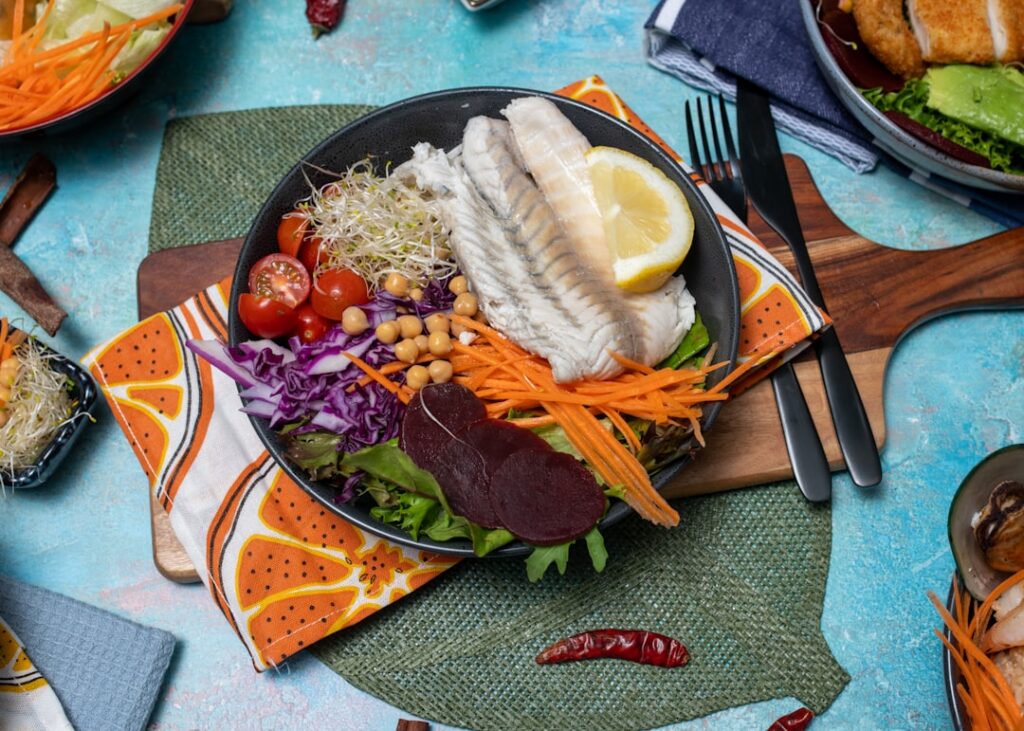
Why Plant-Based Protein Matters
Plant-based protein offers a myriad of health benefits that extend beyond just muscle building. While animal proteins are complete, many plant proteins offer additional advantages, such as:
- High Fiber Content: Vegetables are naturally rich in dietary fiber, which is crucial for digestive health, blood sugar regulation, and satiety.
- Lower Saturated Fat: Plant-based proteins typically contain less saturated fat and no cholesterol, supporting heart health.
- Rich in Micronutrients: Beyond protein, these vegetables are packed with vitamins (like Vitamin C, K, folate) and minerals (like iron, potassium, magnesium) that are vital for overall health.
- Antioxidants: Many vegetables are abundant in antioxidants, which help protect your cells from damage.
By including more protein-rich vegetables, you’re not just getting protein; you’re embracing a holistic approach to nutrition that fuels your body with diverse nutrients.
Top Protein-Packed Vegetables You Should Be Eating
Let’s spotlight some of the unsung heroes of the vegetable world when it comes to protein. While their protein content might not rival a steak, their overall nutritional package makes them incredibly valuable additions to any diet.
Green Peas
Often overlooked, green peas are a fantastic source of plant-based protein, offering about 8 grams of protein per cup (cooked). They are also rich in fiber, vitamins A, C, K, and several B vitamins, as well as minerals like manganese and iron.
- Easy to Use: Add frozen peas to stir-fries, soups, pasta dishes, or as a vibrant side. You can also blend them into a creamy soup or a healthy dip.
Spinach
This leafy green superstar is not only famous for its iron content but also provides a good amount of protein for a leafy vegetable, around 5 grams per cooked cup. Spinach is loaded with vitamins A, C, K, folate, and powerful antioxidants.
- Easy to Use: Wilt spinach into omelets, curries, and sauces. Add a handful to your smoothies, salads, or sandwiches. It cooks down significantly, so don’t be shy with your portions!
Broccoli
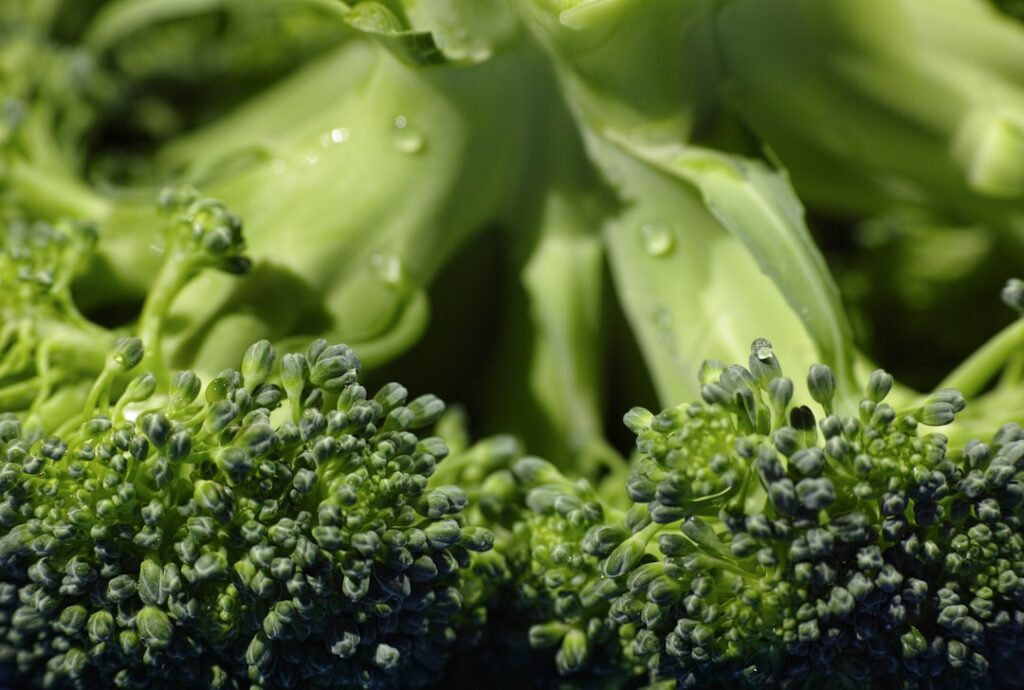
A cruciferous vegetable known for its robust nutritional profile, broccoli offers approximately 4-5 grams of protein per cooked cup. It’s an excellent source of vitamin C, vitamin K, fiber, and various potent antioxidants.
- Easy to Use: Enjoy steamed, roasted, or stir-fried broccoli. Add it to casseroles, quiches, or blend it into creamy soups for a nutrient boost.
Other Notable Protein-Rich Vegetables
While green peas, spinach, and broccoli are highlights, many other vegetables contribute to your protein intake:
- Potatoes: A medium potato can provide around 4 grams of protein, along with potassium and vitamin C.
- Corn: One large ear of corn can offer about 3-4 grams of protein, plus fiber and antioxidants.
- Asparagus: This spring veggie provides about 4 grams of protein per cooked cup, alongside vitamins K and folate.
- Brussels Sprouts: Similar to broccoli, Brussels sprouts contain about 3-4 grams of protein per cooked cup, plus fiber and vitamins.
Maximizing Protein from Your Veggies
To get the most out of your protein-rich vegetables, consider these tips:
- Combine for Complete Protein: While individual vegetables might not offer all nine essential amino acids in one go, combining them with other plant-based foods throughout the day (like grains, legumes, or nuts) ensures you get a complete amino acid profile.
- Optimal Cooking Methods: Steaming, roasting, or lightly sautéing vegetables can help retain their nutrients better than boiling.
- Don’t Forget Portions: Since the protein content per serving may be lower than animal sources, ensure you’re consuming generous portions of these vegetables.
Easy Ways to Incorporate More Veggies into Your Diet
Boosting your protein with vegetables is simpler than you might think:
- Smoothies: Add spinach or frozen green peas to your morning smoothie for an undetectable protein and nutrient boost.
- Salads & Bowls: Pile on raw spinach, blanched broccoli, or cooked peas to your lunchtime salads or grain bowls.
- Stir-fries & Curries: These dishes are perfect for loading up on a variety of protein-rich vegetables.
- Soups & Stews: Incorporate these veggies into hearty soups or stews for added texture and nutrition.
- Snacks: Enjoy steamed broccoli or raw snap peas with a healthy dip like hummus.
Remember, consistency is key. By regularly including these protein-packed vegetables in your meals, you’re taking a significant step towards a healthier, more balanced diet.
Important Disclaimer
The information provided in this article is for educational and informational purposes only and is not intended as a substitute for professional medical advice, diagnosis, or treatment. Always seek the advice of your physician or other qualified health provider with any questions you may have regarding a medical condition.