Are you looking to boost your energy, support your immune system, and generally feel your best? The secret often lies in the quality of the food you eat. While all foods provide calories, not all deliver the same nutritional punch. This is where nutrient-dense foods come into play, offering a wealth of vitamins, minerals, and other beneficial compounds with relatively fewer calories. Let’s dive into how you can fuel your body and elevate your well-being!
What Exactly Are Nutrient-Dense Foods?
Nutrient-dense foods are those that contain a high amount of nutrients per calorie. Think of them as packing a powerful nutritional punch without excess sugar, unhealthy fats, or refined starches. They are the opposite of “empty calorie” foods, which provide energy but little in the way of essential vitamins and minerals.
Key Characteristics of Nutrient-Dense Foods:
- Rich in vitamins and minerals: Essential for countless bodily functions.
- High in fiber: Supports digestion, satiety, and gut health.
- Packed with antioxidants: Helps protect your cells from damage.
- Often contain healthy fats and lean protein: Important for energy, cell repair, and overall health.
- Generally whole, unprocessed foods: Closest to their natural state.
Why Focus on Nutrient Density?
Prioritizing nutrient-dense foods in your diet offers a multitude of benefits:
- Sustained Energy Levels: Unlike sugary snacks that lead to energy crashes, nutrient-rich foods provide steady energy release, keeping you focused and active throughout the day.
- Enhanced Immune Function: Vitamins like C and D, and minerals like zinc, are crucial for a robust immune system, helping your body ward off illnesses.
- Improved Digestion: High fiber content supports a healthy digestive tract and can aid in maintaining regular bowel movements.
- Better Weight Management: Foods rich in nutrients and fiber tend to be more filling, helping you feel satisfied with fewer calories and potentially reducing overeating.
- Support for Chronic Disease Prevention: A diet focused on whole, nutrient-dense foods is commonly associated with a lower risk of chronic conditions like heart disease, type 2 diabetes, and certain cancers.
- Overall Well-being: From clearer skin to better mood, the ripple effects of a well-nourished body are profound.
Top Nutrient-Dense Foods to Incorporate
Ready to supercharge your plate? Here are some fantastic nutrient-dense options to consider:
1. Leafy Greens (Spinach, Kale, Swiss Chard)
These powerhouses are bursting with vitamins A, C, E, and K, as well as folate, iron, magnesium, and calcium. They are also rich in antioxidants and fiber.
2. Berries (Blueberries, Raspberries, Strawberries)
Small but mighty, berries are packed with antioxidants, particularly anthocyanins, which may help support cognitive function and reduce inflammation. They’re also a good source of fiber and vitamin C.
3. Fatty Fish (Salmon, Mackerel, Sardines)
Excellent sources of Omega-3 fatty acids, which are vital for brain health, heart health, and reducing inflammation. They also provide high-quality protein and vitamin D.
4. Legumes (Lentils, Chickpeas, Black Beans)
Affordable and versatile, legumes are loaded with plant-based protein, fiber, and essential minerals like iron, folate, and magnesium. They are a staple in many healthy diets around the world.
5. Nuts and Seeds (Chia Seeds, Flax Seeds, Almonds, Walnuts)
These are concentrated sources of healthy fats, protein, fiber, vitamins (like E), and minerals (like magnesium and zinc). Chia and flax seeds are also rich in plant-based Omega-3s.
6. Cruciferous Vegetables (Broccoli, Brussels Sprouts, Cabbage)
Known for their fiber, vitamins C and K, and a unique group of compounds called glucosinolates, which research suggests may have protective health benefits.
7. Eggs
Often called nature’s multivitamin, eggs provide high-quality protein, healthy fats, and a wide array of vitamins and minerals, including choline, crucial for brain health.
Practical Tips for Maximizing Nutrient Intake
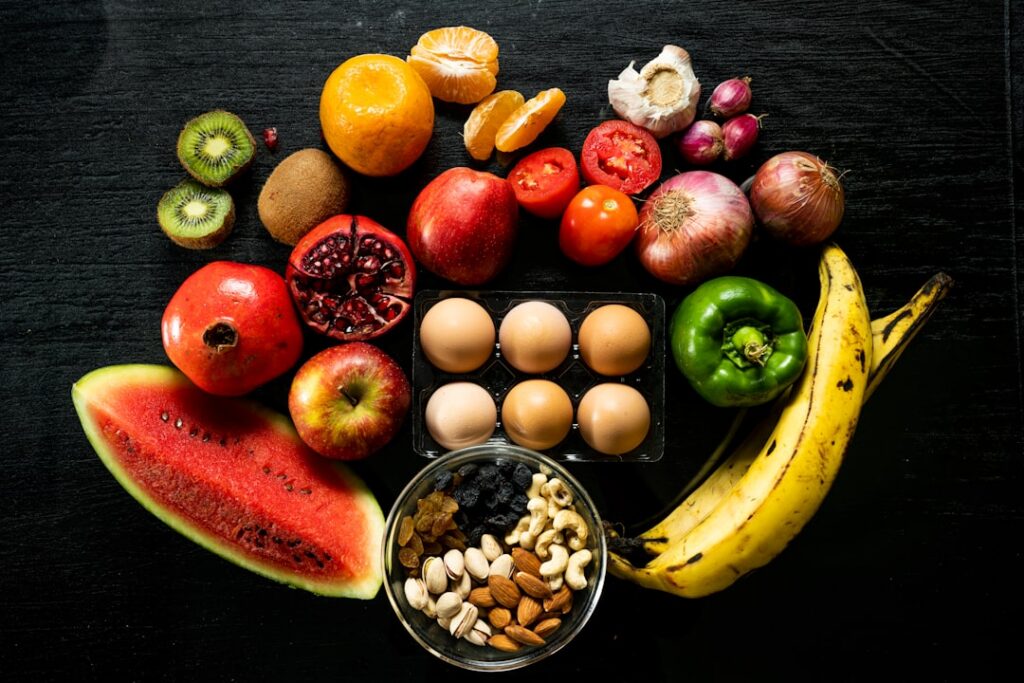
- Eat the Rainbow: Aim for a variety of colorful fruits and vegetables daily to ensure a broad spectrum of nutrients.
- Prioritize Whole Foods: Choose unprocessed or minimally processed foods over packaged and refined options.
- Cook at Home More Often: This gives you control over ingredients and cooking methods, ensuring your meals are packed with goodness.
- Add Greens to Everything: Stir spinach into eggs, blend kale into smoothies, or add mixed greens to your sandwiches.
- Snack Smart: Replace chips and cookies with fruits, nuts, seeds, or vegetable sticks.
- Read Food Labels: Opt for products with shorter ingredient lists and no added sugars or artificial additives.
Important Considerations
While focusing on nutrient-dense foods is highly beneficial, remember that individual nutritional needs can vary. Always listen to your body and consult with a healthcare professional or a registered dietitian for personalized dietary advice, especially if you have specific health conditions or dietary restrictions.
This information is for educational purposes only and is not intended as a substitute for professional medical advice, diagnosis, or treatment.
Start Your Nutrient-Rich Journey Today!
Embracing a diet rich in nutrient-dense foods is one of the most impactful steps you can take for your health. By making conscious choices about what you put on your plate, you empower your body to thrive. Which nutrient-dense food is your go-to for fueling your well-being?
Share your favorite nutrient-dense food in the comments below!