Are you ready to transform your evening routine into a pathway to more restorative sleep? What you choose to eat and drink before bed can significantly influence the quality of your rest. Far from just satisfying hunger, certain foods and beverages are packed with nutrients that may help your body relax and prepare for a peaceful night.
At Wellness Daily, we believe that mindful dietary choices are a cornerstone of overall well-being. Understanding which foods support sleep and which might hinder it is a powerful step towards achieving the deep, rejuvenating sleep your body craves. Let’s explore the best foods to incorporate into your evening for a more peaceful night.
The Connection Between Food and Sleep
Sleep is a complex biological process influenced by numerous factors, including our diet. The nutrients we consume play a vital role in regulating sleep-wake cycles and neurotransmitter production. For instance, some foods contain compounds like tryptophan, magnesium, and melatonin, which are directly involved in promoting relaxation and sleep.
Making conscious choices about your evening meals and snacks can create a beneficial environment for sleep, helping you fall asleep faster and enjoy more uninterrupted rest. It’s not just about avoiding ‘bad’ foods, but also embracing ‘good’ ones!

Top Foods to Support a Peaceful Night
1. Cherries (Especially Tart Cherries)
- Why they help: Tart cherries are a natural source of melatonin, the hormone that helps regulate your sleep-wake cycle. Research suggests that consuming tart cherry juice may help improve sleep duration and quality in some individuals.
- How to enjoy: Drink a small glass of tart cherry juice an hour or two before bed, or snack on fresh or frozen tart cherries.
2. Almonds and Walnuts
- Why they help: These nuts are rich in magnesium, a mineral known for its muscle-relaxing properties, and may help promote a sense of calm. Walnuts also contain some melatonin, adding to their sleep-supporting potential.
- How to enjoy: A small handful (about 1 ounce) of almonds or walnuts makes an excellent pre-bed snack.
3. Warm Milk
- Why it helps: Warm milk has been a traditional sleep aid for generations. It contains tryptophan, an amino acid that converts into serotonin, which then converts into melatonin in the brain. The warmth can also have a soothing, calming effect.
- How to enjoy: A mug of warm milk, perhaps with a touch of honey, can be a comforting pre-sleep ritual.
4. Fatty Fish (Salmon, Tuna, Mackerel)
- Why they help: Fatty fish are excellent sources of Vitamin D and omega-3 fatty acids, particularly DHA. Both of these nutrients are associated with improved sleep regulation. Studies indicate that adequate levels of Vitamin D may play a role in sleep quality.
- How to enjoy: Incorporate fatty fish into your evening meal a few times a week, ensuring you finish eating a few hours before bedtime.
5. Kiwifruit
- Why it helps: Kiwifruit is rich in antioxidants, serotonin, and folate, all of which may contribute to better sleep. Some studies have shown that consuming kiwi before bed may help improve sleep onset, duration, and efficiency.
- How to enjoy: Eat one or two medium-sized kiwis an hour before bed.
6. Chamomile Tea
- Why it helps: Chamomile tea is a popular herbal remedy often used for its calming properties. It contains an antioxidant called apigenin, which may bind to specific receptors in your brain that decrease anxiety and initiate sleep.
- How to enjoy: Sip a warm cup of chamomile tea as part of your winding-down routine.
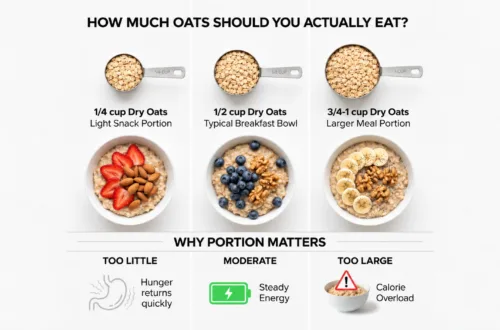
7. Whole Grains (Oats, Whole Wheat Bread)
- Why they help: Complex carbohydrates like oats and whole-wheat bread can help increase the availability of tryptophan to the brain. Oats are also a natural source of melatonin.
- How to enjoy: A small bowl of oatmeal or a slice of whole-wheat toast with a healthy topping can be a good choice for an evening snack.
Foods to Limit or Avoid Before Bed
While some foods can promote sleep, others can disrupt it. To give yourself the best chance for a peaceful night, consider limiting or avoiding these:
- Caffeine: Found in coffee, some teas, soda, and chocolate. Caffeine is a stimulant that can stay in your system for several hours.
- Alcohol: While it might initially make you feel sleepy, alcohol can disrupt sleep cycles later in the night, leading to fragmented sleep.
- Heavy or Spicy Meals: Large meals can cause indigestion and discomfort, while spicy foods may lead to heartburn, making it difficult to lie down comfortably and sleep.
- High-Sugar Snacks: Sugary foods can cause blood sugar spikes and crashes, potentially disturbing sleep.
Tips for an Evening Meal Routine
- Timing is Key: Aim to finish your main meal at least 2-3 hours before you plan to go to bed. This gives your body enough time to digest without interfering with sleep.
- Portion Control: Opt for smaller, lighter meals in the evening.
- Hydration: Stay well-hydrated throughout the day, but try to reduce fluid intake closer to bedtime to minimize nighttime bathroom trips.
Conclusion
Nourishing your body with the right foods in the evening is a simple yet effective strategy to support better sleep. By incorporating sleep-supporting foods like tart cherries, almonds, and chamomile tea, and being mindful of what to avoid, you can create a more peaceful foundation for your night. Remember, a well-rested body and mind are essential for overall health and vitality.
Disclaimer: The information provided in this article is for educational purposes only and is not intended as a substitute for professional medical advice, diagnosis, or treatment. Always seek the advice of your physician or other qualified health provider with any questions you may have regarding a medical condition.