Often overlooked in gardens and wild spaces, the humble Mallow plant (Malva sylvestris) holds a rich history in traditional folk medicine and natural beauty routines. Known for its soothing properties, Mallow can be easily incorporated into your home remedies for skin and hair.
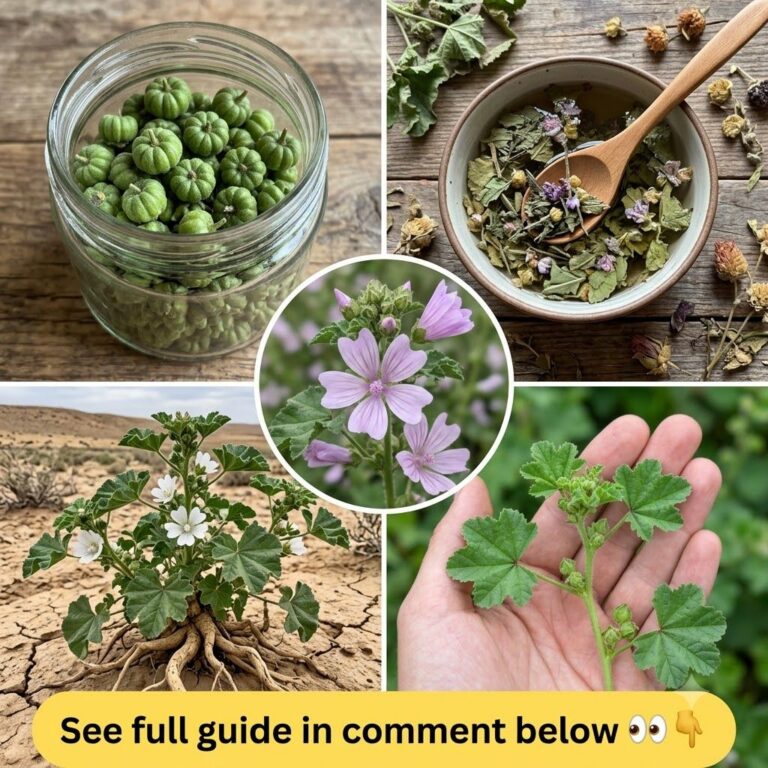 The versatile Mallow plant offers many benefits for natural beauty.
Quick Recipe: Mallow Infusion for Skin & Hair
This simple Mallow infusion is a versatile base that can be used as a calming herbal tea, a refreshing facial rinse, or a hydrating hair treatment.
- Prep time: 10 minutes
- Best for: Soothing dry skin, calming irritation, adding shine to hair
- Use type: Herbal tea, facial rinse, hair rinse
- Main ingredients:
- Dried Mallow leaves and flowers
- Hot water
Ingredients
- 2 tablespoons dried Mallow leaves and flowers (or 1/4 cup fresh)
- 1 cup hot water (just off the boil)
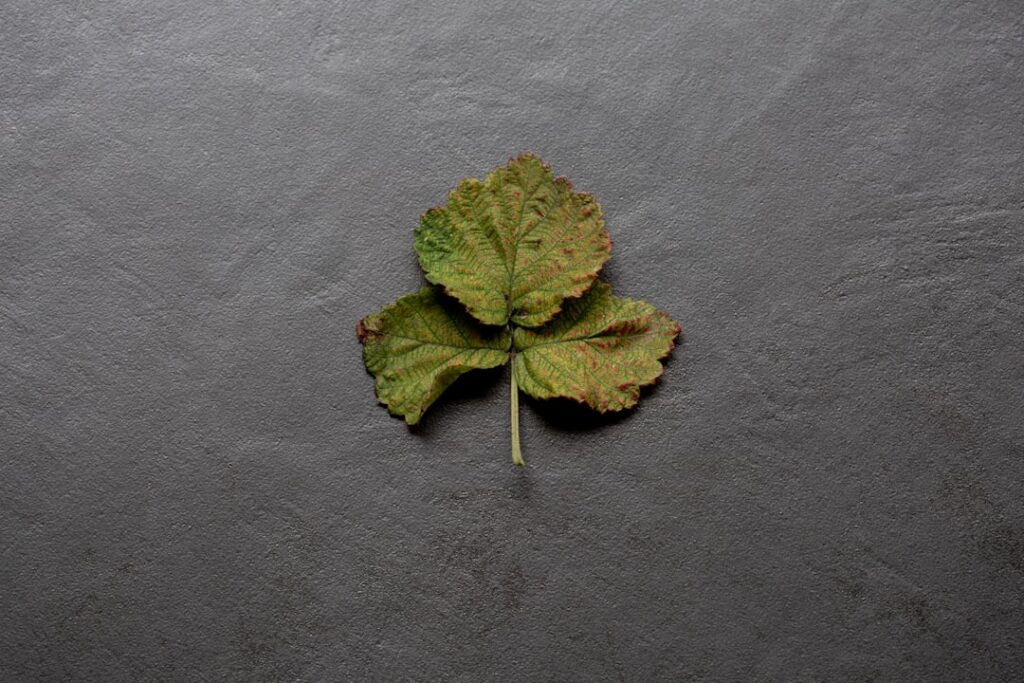 Dried mallow leaves and flowers are ideal for making a soothing infusion.
How to Make It
- Place the dried Mallow leaves and flowers into a heat-proof mug or jar.
- Pour the hot water over the Mallow.
- Cover the mug or jar to keep the steam and beneficial compounds from escaping.
- Let it steep for 5-10 minutes for a lighter infusion, or up to 20 minutes for a stronger one.
- Strain the liquid to remove the plant material, leaving you with a clear, often slightly bluish or purplish infusion.
- Allow the infusion to cool completely before using it topically on your skin or hair. For drinking, allow it to cool to a comfortable temperature.
How to Use It
For Skin: Soothing Facial Compress or Rinse
- Once cooled, soak a clean cloth or cotton pad in the Mallow infusion.
- Gently apply it to your face as a compress, or use it as a rinse after cleansing.
- Pat your skin dry or allow it to air dry, then follow with your usual moisturizer.
For Hair: Hydrating Hair Rinse
- After shampooing and conditioning your hair, pour the cooled Mallow infusion over your scalp and hair.
- Gently massage it in, ensuring even distribution.
- You can either rinse it out with cool water after a few minutes or leave it in as a natural leave-in treatment for added softness and shine.
As an Herbal Tea: Internal Wellness Support
- Drink the warm (or cooled) Mallow infusion for a calming and soothing beverage.
- Enjoy it plain or with a touch of honey if desired.
 Mallow infusion can be a wonderful, natural hair rinse.
How Often to Use It
- For Skin: 2-3 times a week as a facial rinse or compress.
- For Hair: 1-2 times a week as a post-shampoo rinse.
- As Tea: 1-2 cups per day for general wellness, consult a health professional for specific concerns.
Why These Ingredients Are Used
Mallow Leaves and Flowers
Mallow is highly valued in traditional folk medicine for its mucilage content. This gel-like substance, found in the leaves and flowers, is responsible for the plant’s remarkable soothing, hydrating, and emollient properties. When used topically, mucilage can help create a protective layer, making it feel gentle and softening for dry or sensitive skin. Internally, this mucilage may help soothe mucous membranes. Always consult a healthcare professional before using herbal remedies for specific health conditions, especially if pregnant, nursing, or taking medications.
What Results to Expect
With regular use, this Mallow infusion may help your skin feel softer, look calmer, and appear more hydrated. For hair, it can support a healthier-looking scalp and leave strands feeling smoother and appearing shinier. Remember that natural remedies work gently and gradually, supporting your overall beauty routine rather than offering instant dramatic changes.
Safety Notes
- Patch test first: Before applying topically to your face or large areas of skin, perform a patch test on a small, inconspicuous area (like behind your ear or on your inner arm) to check for any allergic reactions or sensitivities.
- Use gently: Always apply topical remedies with gentle motions.
- Avoid irritated or broken skin: Do not use topical Mallow preparations on open wounds, severely irritated, or broken skin.
- Stop if discomfort occurs: If you experience any redness, itching, burning, or discomfort, discontinue use immediately.
- Allergy alert: If you have known plant allergies, especially to other plants in the Malvaceae family (like hibiscus or okra), exercise caution.
- For ingestible recipes: If consuming Mallow tea, be mindful of potential interactions with medications, especially those taken orally, as the mucilage might affect absorption. Pregnant or nursing individuals, or those with underlying health conditions, should consult a doctor before ingesting any herbal remedies.
- Not a Cure: This remedy is for supportive care and not a substitute for professional medical advice or treatment for any health condition.
FAQ
Is Mallow safe to use on sensitive skin?
Mallow is traditionally considered gentle due to its soothing mucilage content. However, always perform a patch test first, especially if you have very sensitive skin or known allergies.
Can I use fresh Mallow leaves and flowers?
Yes, you can use fresh Mallow! Use about 1/4 cup of fresh, well-washed leaves and flowers for this recipe. Ensure the plant is free from pesticides and pollutants if foraging.
Where can I find dried Mallow?
Dried Mallow leaves and flowers can often be found at herbal stores, health food stores, or purchased online from reputable suppliers of organic herbs.
Final Thoughts
The Mallow plant is a wonderful example of how nature provides simple, accessible ingredients for our beauty and wellness routines. By harnessing its traditional soothing properties, you can create gentle and effective home remedies for a fresher-looking complexion and softer-feeling hair. Embrace the power of overlooked plants and rediscover the benefits they offer!