Broadleaf plantain (Plantago major) is a common backyard plant traditionally valued in folk medicine for its soothing properties. Often considered a weed, this humble plant can be transformed into a simple poultice to help comfort minor skin irritations, scratches, and bug bites. This guide will show you how to prepare and use this traditional natural remedy.
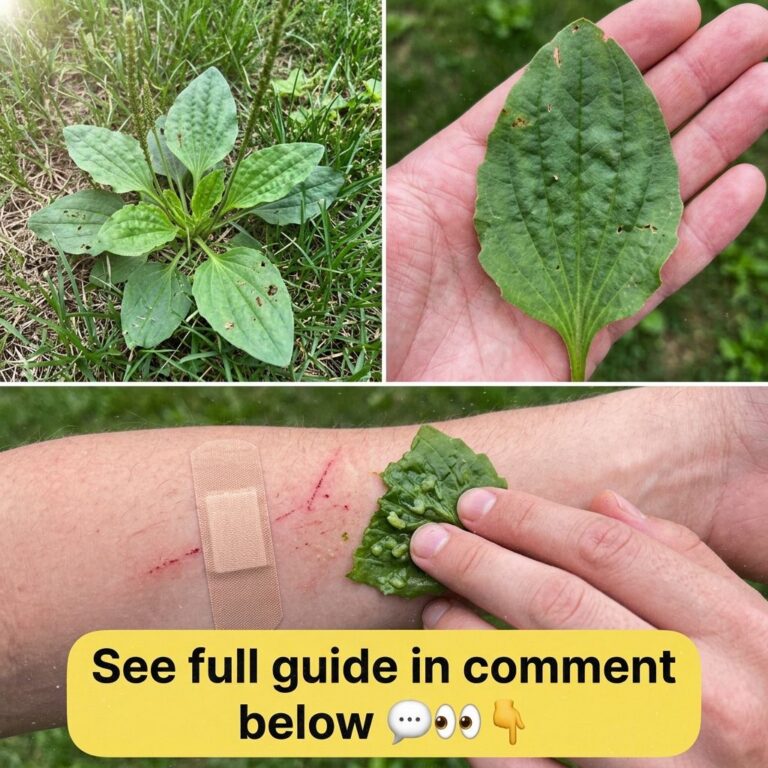 Learn to identify and use broadleaf plantain for simple skin comfort.
Quick Recipe
Prep time: 5 minutes
Best for: Minor skin irritations, small scratches, bug bites
Use type: Poultice / Topical Compress
Main ingredients:
- Fresh Broadleaf Plantain leaves
Ingredients
- 1-2 fresh, clean Broadleaf Plantain leaves (Plantago major)
- Clean water (for rinsing)
How to Make It
- Identify and Harvest: Look for broadleaf plantain in your yard or local natural areas. It has distinct oval leaves with prominent parallel veins running from the base to the tip. Ensure the leaves are from an area free of pesticides, herbicides, or heavy pollution.
- Clean the Leaves: Rinse the fresh plantain leaves thoroughly under cool, clean water to remove any dirt, insects, or debris. Pat them dry gently.
- Macerate the Leaves: To release the plant’s beneficial compounds, you need to break down the leaf fibers. You can do this by:
- Chewing the leaves (a traditional method, but ensure your mouth is clean).
- Crushing them vigorously between your fingers or palms.
- Using a mortar and pestle to create a rough paste.
- Folding the leaf and pounding it with a smooth stone or the back of a spoon on a clean surface.
Crush the leaves thoroughly to release their natural properties.
How to Use It
- Clean the Affected Area: Gently clean the minor scratch, bug bite, or irritated skin with mild soap and water. Pat dry.
- Apply the Poultice: Place the macerated plantain leaf directly onto the irritated skin.
- Secure (Optional): If needed, you can cover the plantain poultice with a clean bandage or a piece of cloth to keep it in place, especially if you need to move around.
- Leave On: Leave the poultice on for 15-30 minutes, or until you feel relief. Some folk traditions suggest leaving it on longer or replacing it periodically.
- Remove and Rinse: Remove the plantain material and gently rinse the area with clean water.
How Often to Use It
You can apply a fresh plantain poultice 2-3 times a day as needed to help soothe minor skin discomfort. Discontinue use if irritation occurs.
Why These Ingredients Are Used
Broadleaf Plantain
Broadleaf plantain has been used for centuries in traditional folk medicine across various cultures. It is often lauded for its mucilage content, which can create a protective barrier on the skin, and for compounds that may help soothe irritation. It’s a classic example of a supportive herb found commonly in nature.
What Results to Expect
When used as a traditional remedy, a broadleaf plantain poultice may help to soothe the sensation of minor skin irritations and reduce the appearance of redness from bug bites or small scratches. It can provide a comforting, cooling feeling to the affected area, aligning with its historical use in home remedies.
Safety Notes
Important Disclaimer: This remedy is not a cure and is not a substitute for professional medical advice, diagnosis, or treatment. Always consult with a qualified healthcare provider for any health concerns or before starting any new treatment, especially for more serious injuries or persistent conditions.
- Proper Identification: It is crucial to correctly identify broadleaf plantain. If you are unsure, do not use it. Misidentification can lead to applying harmful plants to your skin.
- Source Matters: Only use plantain leaves from areas you know are free from pesticides, herbicides, or environmental pollutants.
- Patch Test First: Always perform a patch test on a small, inconspicuous area of your skin before applying the poultice to a larger or more sensitive area. Wait 24 hours to check for any adverse reactions.
- Use Gently: Apply the poultice gently to the skin. Do not rub vigorously.
- Avoid Irritated or Broken Skin: Do not apply the poultice to open wounds, deep cuts, or severely irritated or infected skin without consulting a healthcare professional.
- Stop If Discomfort Occurs: If you experience any burning, itching, increased redness, or other signs of irritation, remove the poultice immediately and rinse the area thoroughly with water.
- Allergies: While rare, some individuals may be allergic to plantain. Discontinue use if you suspect an allergic reaction.
FAQ
What parts of the plantain plant are used for remedies?
For topical applications like poultices, the leaves are primarily used. In some traditional practices, the seeds or roots may also be utilized for other purposes, but the leaves are most common for skin remedies.
Can I use dried plantain leaves?
While fresh leaves are generally preferred for poultices due to their moisture content and active compounds, dried plantain leaves can be rehydrated with a little water to create a compress. However, the effectiveness may be reduced compared to fresh leaves.
How do I know if the plantain is safe to use from my yard?
Ensure your yard is not treated with chemical pesticides or herbicides. Avoid harvesting from roadsides or public areas where pollution or chemical treatments are common. It’s always best to use plants from a known, clean environment.
Final Thoughts
Broadleaf plantain offers a simple, accessible way to engage with traditional home remedies for minor skin discomforts. This natural solution is a testament to the practical wisdom found in folk traditions, providing soothing support from your own backyard. For more natural beauty and wellness tips, explore our other guides!