Tired of your garden plants sprawling everywhere, taking up precious space, or getting lost in the foliage? It’s time to look up! Incorporating trellises into your garden is a simple, effective way to transform your outdoor space, making it more organized, productive, and beautiful. Whether you’re growing delicious vegetables like peas, squash, and melons, or vibrant climbing flowers, a well-placed trellis can make all the difference.
Here at Garden – L. Quyên, we believe gardening should be fun and accessible. That’s why we’re sharing some easy-to-implement trellis ideas that will elevate your garden game without breaking the bank or requiring advanced DIY skills!
Why Trellis Your Garden? The Benefits Are Growing!
Beyond just looking neat, trellises offer a multitude of advantages for both your plants and your gardening experience:
- Space Saving: By encouraging plants to grow vertically, trellises free up valuable ground space, allowing you to grow more in smaller areas. This is a game-changer for urban gardeners or those with compact backyards.
- Healthier Plants: Vertical growth improves air circulation around plants, significantly reducing the risk of fungal diseases like powdery mildew. It also keeps fruits and vegetables off the damp soil, protecting them from rot and pests.
- Easier Harvesting: No more bending and searching through dense foliage! Fruits and vegetables grown on a trellis are often more visible and accessible, making harvest time a breeze.
- Increased Yield: Healthier plants often lead to more vigorous growth and a higher yield, meaning more fresh produce for your table.
- Aesthetic Appeal: Trellises add a structural element and visual interest to your garden, creating stunning living walls of greenery and flowers.
Plants That Love to Climb (and How to Support Them)
Many popular garden plants thrive with vertical support. Here are some favorites:
Peas
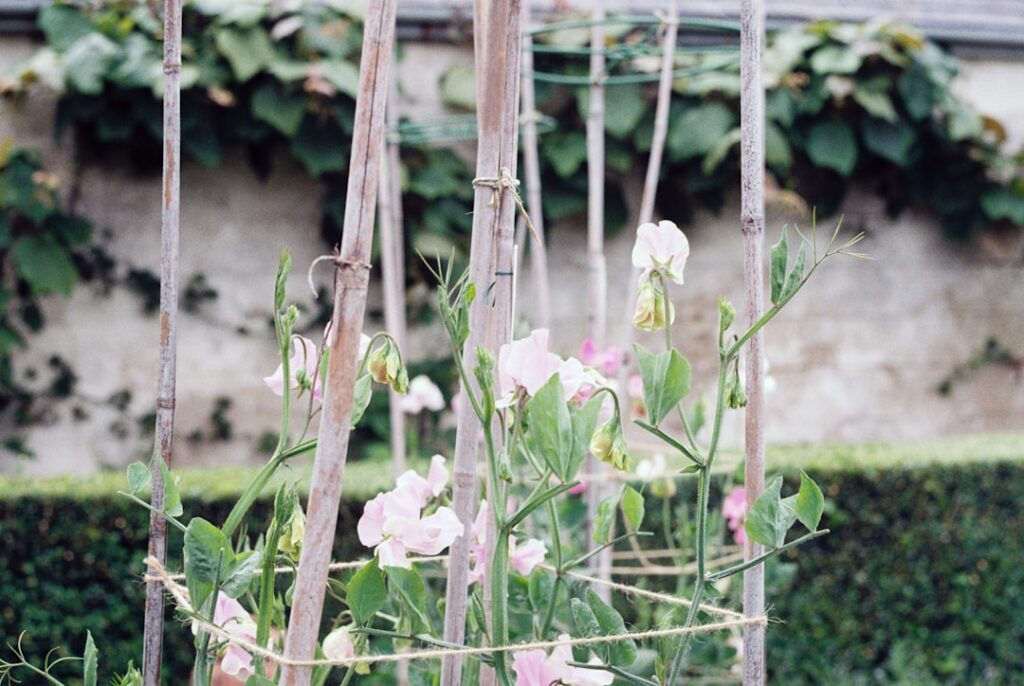
Sweet peas and edible shelling peas are natural climbers. They use tiny tendrils to grab onto supports. A simple, lightweight trellis is usually sufficient.
- Best Trellis Types: A-frame trellises, pea netting, or even sturdy branches arranged in a teepee shape.
Squash (Vining Varieties)
While bush varieties are common, many delicious squash types (like certain cucumbers, winter squash, and some pumpkins) are vining. These need sturdy support as their fruits can get heavy.
- Best Trellis Types: Strong A-frames, cattle panel trellises, or robust wooden trellises. Ensure the structure can bear the weight of mature fruits. Slings made from old t-shirts or pantyhose can support individual developing fruits.
Melons
Similar to vining squash, melons require strong support and often benefit from fruit slings to prevent heavy melons from breaking off the vine.
- Best Trellis Types: Sturdy netting, cattle panels, or custom-built strong trellises.
Other Great Climbers for Trellises:
- Cucumbers: Most vining cucumber varieties do exceptionally well on trellises, keeping them straight and clean.
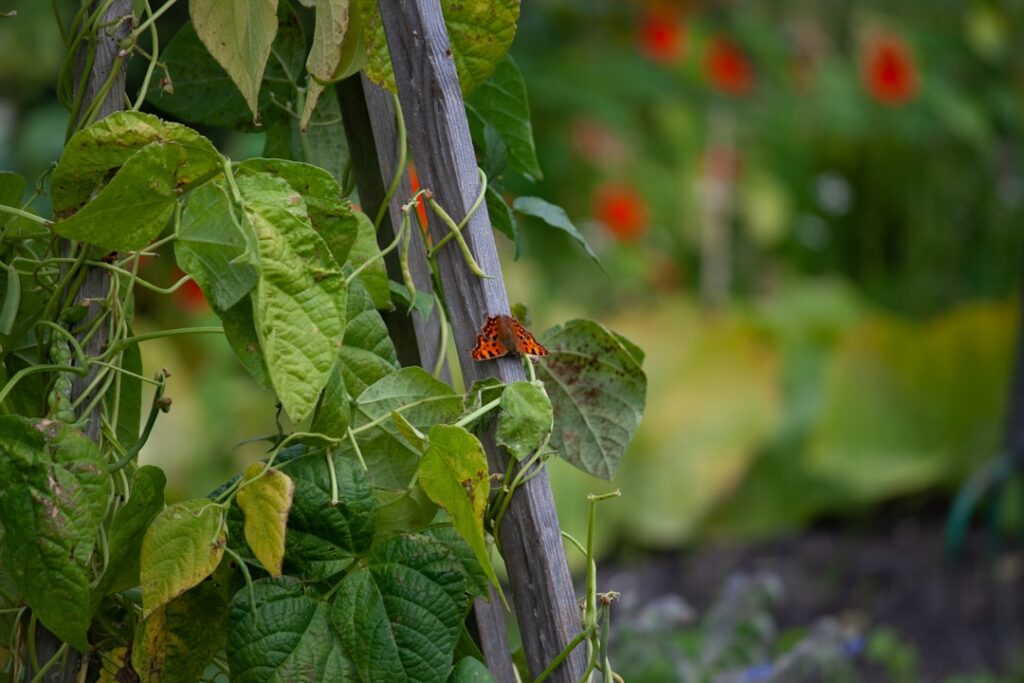
- Pole Beans: A classic trellis crop, pole beans will quickly climb and produce abundant harvests.
- Tomatoes (Indeterminate): While not true climbers, indeterminate tomatoes benefit greatly from vertical support like cages, stakes, or string trellising to manage their sprawling growth.
- Climbing Flowers: Morning glories, clematis, sweet peas (flowering type), and climbing roses can create stunning vertical displays.
Easy DIY Trellis Designs You Can Build Today
You don’t need to be a master carpenter to build effective trellises. Many designs are incredibly simple and use readily available materials.
1. The Classic A-Frame Trellis
Perfect for peas, pole beans, and lighter cucumbers, the A-frame is stable and easy to construct.
- Materials: Two long stakes (wood or bamboo), a crossbar, twine or garden netting.
- How-To: Form an ‘A’ shape with the two stakes, securing the top with a crossbar. Wrap netting or string around the frame for plants to climb.
2. Simple Staked Trellis
Great for individual vining plants or small rows.
- Materials: Strong stakes (metal, wood, bamboo), garden ties or clips.
- How-To: Drive stakes firmly into the ground next to your plants. As plants grow, gently tie them to the stake.
3. Netting or Mesh Trellis
Highly versatile and budget-friendly, suitable for a wide range of climbers.
- Materials: Trellis netting (plastic or natural fiber), two strong posts or stakes.
- How-To: Stretch the netting between two sturdy posts, securing it tightly. This creates a wall of support.
4. Repurposed Material Trellis
Get creative! Old wooden pallets, discarded ladders, or even bicycle wheels can be repurposed into unique and functional trellises.
- Materials: Repurposed items, basic tools for securing (screws, zip ties).
- How-To: Ensure the item is clean, stable, and safe for garden use. Secure it firmly in the ground or against a wall.
Choosing the Right Materials
Consider durability, cost, and aesthetics:
- Wood: Natural look, can be painted or stained. Choose rot-resistant wood or treat it.
- Bamboo: Lightweight, inexpensive, natural. Less durable than treated wood.
- Metal: Very durable, can be expensive. Rebar, cattle panels, or wire mesh work well.
- Twine/Netting: Flexible, affordable, but may need replacing annually. Choose strong, UV-resistant options.
Placement and Installation Tips
- Sunny Spot: Most climbing vegetables and flowers need plenty of sun (6-8 hours).
- Sturdy Foundation: Ensure your trellis is firmly anchored in the ground to withstand wind and the weight of mature plants.
- Orientation: Consider sun exposure and prevailing winds when positioning your trellis.
- Plant at the Base: Plant your climbing plants close to the base of the trellis so they can easily find their support.
Maintenance and Care
Once your trellis is up, a little ongoing care will ensure success:
- Guide Tendrils: Sometimes plants need a little help finding their way. Gently guide new growth onto the trellis.
- Check for Damage: Inspect your trellis regularly for any signs of wear or instability, especially after heavy winds.
- Harvest Regularly: Consistent harvesting encourages more production and prevents the trellis from becoming overburdened.
Start Elevating Your Garden Today!
Adding trellises is a simple, rewarding way to maximize your garden’s potential. From healthier plants and easier harvests to a more beautiful and organized space, the benefits are clear. So, grab some materials, get creative, and watch your garden reach new heights!
Do you have a favorite DIY trellis design? Share your tips and photos with us in the comments below!