Elevate Your Garden Game with Trellis Magic!
Are you dreaming of a lush, bountiful garden but feel limited by space? Do you want healthier, more productive plants and an easier harvest? Well, get ready to elevate your gardening game with the magic of trellises! Whether you’re a seasoned gardener or just starting your journey to a home harvest, incorporating trellises into your garden design can transform your space and yield.
At Garden – L. Quyên, we’re all about making gardening accessible, enjoyable, and rewarding. Today, we’re diving into the wonderful world of DIY trellis solutions that will help your fruits and vegetables thrive, turning your garden into a vertical masterpiece.
Why Trellises Are a Gardener’s Best Friend
Trellises aren’t just pretty garden decorations; they’re incredibly practical tools that offer a multitude of benefits for your plants and your gardening experience:
- Space Saving: Perfect for small gardens or urban spaces, trellises allow you to grow vertically, maximizing your planting area.
- Healthier Plants: Lifting plants off the ground improves air circulation, reducing the risk of fungal diseases and rot, especially after heavy rains.
- Easier Harvesting: No more bending and searching! Fruits and vegetables are elevated, making them easier to spot and pick.
- Pest and Disease Control: Keeping plants off the ground helps protect them from ground-dwelling pests and reduces contact with soil-borne pathogens.
- Cleaner Produce: Your fruits and veggies stay cleaner, free from soil splashes and slug trails.
- Improved Sun Exposure: Vertical growth ensures that all parts of the plant receive adequate sunlight, leading to better ripening and higher yields.
Choosing the Right Trellis for Your Garden
The best trellis depends on the plants you’re growing, your aesthetic preferences, and your DIY skills. Here are some common types and materials:
- Wood Trellises: Classic, sturdy, and can be easily customized. Great for heavy vining plants like squash or small melons.
- Metal Trellises: Durable, long-lasting, and can come in decorative shapes. Excellent for permanent structures or heavy-duty support.
- Netting or Mesh Trellises: Lightweight, flexible, and cost-effective. Ideal for lighter climbers like peas, beans, and cucumbers.
- String or Twine Trellises: Simple, temporary, and budget-friendly. Often used for tomatoes or quickly growing vining plants.
- A-Frame Trellises: A popular choice for cucumbers, beans, and even small gourds, providing two growing sides and stability.
- Obelisk or Tower Trellises: Perfect for creating a focal point and supporting a single robust climber or a cluster of plants.
DIY Trellis Solutions for Thriving Fruits and Vegetables
Ready to get creative? Here are some easy DIY trellis ideas for common garden favorites:
Cucumbers and Vining Plants
Cucumbers, pole beans, and peas are natural climbers that absolutely love trellises. A simple A-frame trellis or a vertical netting system works wonders. You can construct an A-frame from repurposed wood stakes or bamboo poles, secured at the top and spread at the base. Attach garden netting or sturdy twine for the plants to climb.
Tomatoes
While some tomatoes are bush varieties, many popular types are indeterminate (vining) and benefit immensely from support. Tomato cages are common, but you can also build a sturdy stake-and-weave system (like the ‘Florida Weave’) or use individual tall stakes for each plant, tying them gently as they grow.
Squash and Melons (Smaller Varieties)
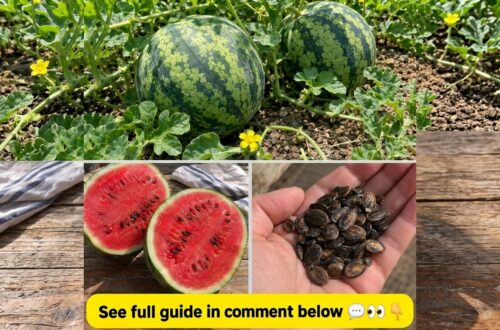
Don’t let the size of some squash and melon varieties deter you from trellising! Smaller fruits like ‘Sugar Baby’ watermelons or ‘Delicata’ squash can be trellised with strong, supportive structures like a robust A-frame or even an arch. Just be sure to create slings (from old t-shirts or pantyhose) to support the developing fruit as it grows heavier.
Pole Beans and Peas
These vigorous climbers can be grown on nearly any vertical structure. A simple teepee made of bamboo stakes, a cattle panel arch, or a netting trellis strung between two posts are all fantastic, easy-to-implement options. They’ll quickly cover the support with lush foliage and abundant pods.
Tips for Successful Trellising
- Install Early: Put your trellis in place when plants are young to avoid disturbing roots later.
- Guide Gently: Help young plants find their way onto the trellis by gently weaving or tying them to the support. Use soft ties that won’t cut into the stems.
- Consider Weight: Match the trellis strength to the mature weight of your plants and their fruit.
- Anchor Securely: Ensure your trellis is firmly anchored to withstand wind, rain, and the weight of your harvest.
- Maintain Regularly: Check ties and adjust as plants grow. Prune as needed to encourage air circulation and productivity.
Trellising is a game-changer for any gardener, offering not only practical benefits but also adding a beautiful, architectural element to your garden. It’s a rewarding DIY project that pays off with a healthier, more productive, and easier-to-manage garden space.
Are you ready to embrace the magic of trellises and maximize your home harvest? What DIY trellis projects have you tried, or what plants are you excited to get climbing? Share your tips and triumphs with us in the comments below!