The ketogenic diet, known for its low-carb, high-fat approach, often brings to mind images of meat and dairy. But who says keto has to be restrictive, especially if you follow a plant-based lifestyle? Rest assured, thriving on a vegetarian keto diet is not only possible but can be incredibly delicious and nourishing!
Navigating a keto-friendly plant-based proteins for vegetarians requires smart food choices to ensure you meet your protein needs while keeping carbs low. This guide will introduce you to nine amazing plant-based protein powerhouses that seamlessly fit into your low-carb lifestyle, helping you elevate your meals with wholesome nutrition and endless possibilities.
Get ready to discover versatile ingredients that will become staples in your kitchen, making your plant-based keto journey both enjoyable and sustainable.
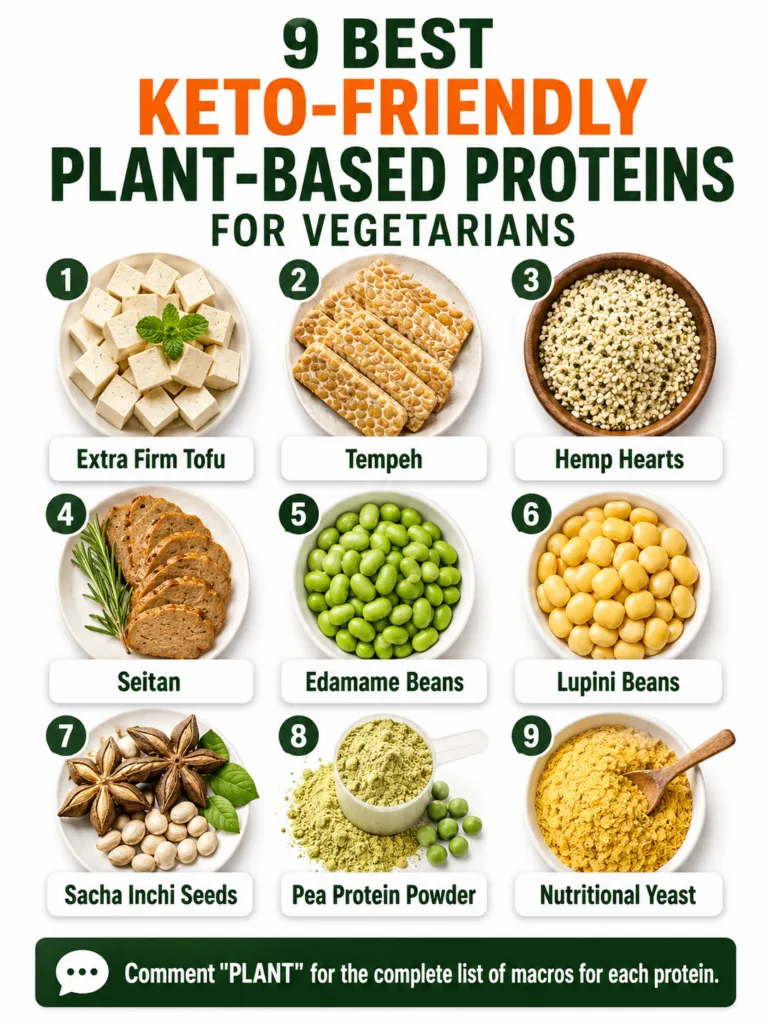
Elevate Your Plate: 9 Best Keto-Friendly Plant-Based Proteins for Vegetarians
Here are our top picks for plant-based proteins that will power your vegetarian keto lifestyle:
1. Tofu: The Versatile Soy Staple
Tofu, made from condensed soy milk pressed into solid blocks, is a cornerstone of many plant-based diets. It’s incredibly versatile, taking on the flavor of whatever it’s cooked with.
- Keto Fit: Tofu is an excellent, low-carb, high-protein choice. Opt for firm or extra-firm varieties for the best texture and lowest carb count.
- How to Include It: Use it in scrambles (a fantastic keto-friendly breakfast idea), stir-fries, baked dishes, or grilled for a satisfying main. You can even blend silken tofu into creamy sauces or smoothies.
- Macros (approx. per 100g firm tofu): 10g protein, 2g carbs, 5g fat.
2. Tempeh: Fermented Powerhouse
Tempeh is another soy-based protein, but unlike tofu, it’s made from fermented whole soybeans, giving it a firmer texture, a nutty, earthy flavor, and often better digestibility. Its fermentation process also provides beneficial probiotics.
- Keto Fit: Tempeh is packed with protein and has a good fiber content, resulting in lower net carbs than many other plant proteins.
- How to Include It: Marinate and fry or bake tempeh strips for a main course, crumble it into chili or tacos, or add it to sandwiches and salads. It’s a great choice for healthy meal prep ideas.
- Macros (approx. per 100g): 19g protein, 9g carbs (3g fiber), 11g fat.
3. Edamame: Vibrant Green Beans
Edamame are immature soybeans, typically sold in pods or shelled and frozen. They offer a delightful bite and a fresh, slightly sweet flavor.
- Keto Fit: While they contain some carbohydrates, the significant fiber content keeps the net carbs manageable for a keto diet in moderation.
- How to Include It: Enjoy shelled edamame as a simple snack, add them to salads for extra crunch and protein, or toss them into stir-fries and vegetable medleys.
- Macros (approx. per 100g shelled): 11g protein, 9g carbs (5g fiber), 5g fat.
4. Hemp Seeds: Tiny Nutritional Gems
Hemp seeds (often called hemp hearts) are small, soft seeds with a mild, nutty flavor. They are a true superfood, boasting an impressive nutritional profile.
- Keto Fit: Exceptionally high in protein and healthy omega-3 and omega-6 fatty acids, hemp seeds are very low in net carbs, making them a keto champion.
- How to Include It: Sprinkle them generously over salads, yogurt, smoothies, or roasted vegetables. They can also be used in homemade energy bars or as a garnish for almost any dish.
- Macros (approx. per 3 tablespoons): 10g protein, 2g carbs (1g fiber), 15g fat.
5. Chia Seeds: The Hydration Heroes
Chia seeds are tiny black or white seeds known for their ability to absorb liquid and form a gel-like consistency. They are incredibly rich in fiber and beneficial omega-3s.
- Keto Fit: With their high fiber content, chia seeds have very low net carbs and contribute significantly to satiety, which can be helpful if you’re exploring how to eat chia seeds for weight loss. They are also a good source of plant-based protein.
- How to Include It: The most popular use is in chia pudding (often made in best overnight oats containers for convenience), but they can also be added to smoothies, used as a thickening agent for sauces, or as an egg substitute in baking.
- Macros (approx. per 2 tablespoons): 5g protein, 12g carbs (10g fiber), 9g fat.
6. Flax Seeds: Omega-3 Rich Option
Flax seeds are small brown or golden seeds, usually consumed ground to maximize nutrient absorption. They are renowned for their omega-3 fatty acid content.
- Keto Fit: Similar to chia seeds, flax seeds are high in fiber and healthy fats, providing a good protein boost with very few net carbs.
- How to Include It: Ground flax seeds are excellent in smoothies, baked goods (like keto muffins or crackers), or as an egg substitute. Avoid whole flax seeds unless soaking, as they pass through the digestive system undigested.
- Macros (approx. per 2 tablespoons ground): 4g protein, 8g carbs (7g fiber), 6g fat.
7. Almonds & Other Low-Carb Nuts: Crunchy Goodness
While almonds are highlighted here, many other nuts like walnuts, pecans, and macadamia nuts are fantastic keto-friendly options. They offer a satisfying crunch and a wealth of nutrients.
- Keto Fit: Nuts are a powerhouse of healthy fats, moderate protein, and fiber, making them excellent for a low-carb diet. Always check for unsalted, raw, or dry-roasted varieties to avoid added sugars and oils.
- How to Include It: Perfect for snacking, adding to salads, making homemade nut butter, or using as flour in keto baking. Almonds can be a quick and easy high protein snack.
- Macros (approx. per 1 ounce/28g almonds): 6g protein, 6g carbs (3.5g fiber), 14g fat.
8. Nutritional Yeast: The Cheesy Booster
Often referred to as