Preparing for the Unpredictable: Your Emergency Food Guide
In an increasingly uncertain world, thoughtful preparation isn’t just a suggestion—it’s a necessity. While we all hope for peace and stability, being ready for unexpected events, from natural disasters to economic disruptions or even more severe crises, is a cornerstone of personal and family safety. This guide focuses on a crucial aspect of preparedness: building a reliable emergency food supply that can sustain you and your loved ones when it matters most.
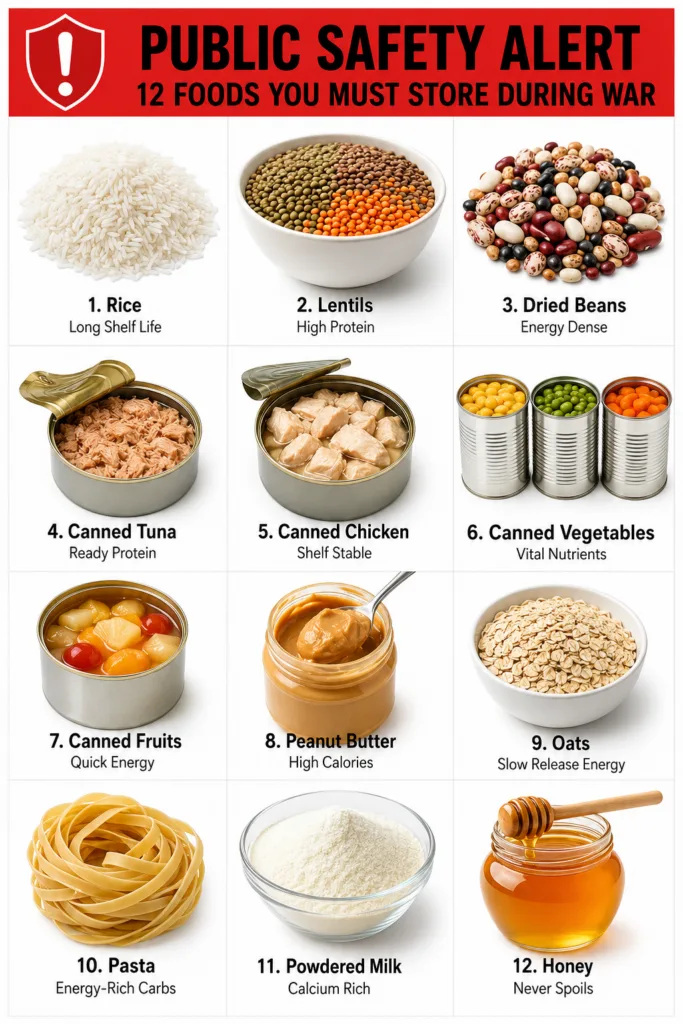 A visual guide to essential emergency food items.
Why Emergency Food Storage is Non-Negotiable
The idea of an emergency pantry might sound extreme, but its value becomes clear when daily routines are disrupted. Access to fresh food can become limited due to:
- Natural Disasters: Earthquakes, floods, hurricanes, or blizzards can cut off supply lines and make grocery stores inaccessible.
- Economic Instability: Financial crises or supply chain breakdowns can lead to shortages and price hikes.
- Civil Unrest or Conflict: These situations can severely impact infrastructure and public safety, making it dangerous or impossible to acquire food.
- Pandemics: Health crises can lead to lockdowns and reduced access to public services, including food retail.
Having a well-stocked emergency food supply provides peace of mind, ensures nutritional sustenance, and reduces reliance on external aid during critical times.
Key Considerations for Your Emergency Pantry
When selecting foods for your emergency supply, several factors are paramount:
- Shelf Life: Prioritize non-perishable items that can last for months or even years.
- Nutritional Value: Focus on foods that offer a good balance of carbohydrates, proteins, fats, vitamins, and minerals.
- Ease of Preparation: Choose items that require minimal cooking, water, or specialized equipment, especially if utilities might be unavailable.
- Caloric Density: Opt for foods that provide ample energy in compact forms.
- Storage Requirements: Consider how much space you have and ensure foods can be stored safely away from pests, moisture, and extreme temperatures.
12 Essential Foods for Your Emergency Supply
Based on expert recommendations and their proven ability to sustain you, here are 12 vital food items you should consider stocking in your emergency pantry:
- Rice: A cornerstone of many diets, white rice has an incredibly long shelf life (up to 30 years if stored correctly) and provides essential carbohydrates for energy. It’s versatile and can be paired with many other foods.
- Beans: Dried beans (like black beans, kidney beans, or pinto beans) are packed with protein and fiber, making them highly filling and nutritious. They also have an excellent shelf life.
- Lentils: Similar to beans but often quicker to cook, lentils are another powerhouse of plant-based protein and fiber, crucial for sustained energy and digestive health.
- Canned Vegetables: While fresh is ideal, canned vegetables (e.g., corn, green beans, carrots) retain many essential vitamins and minerals and can last for years. They add important nutrients and variety to emergency meals.
- Canned Fruits: Providing quick energy and a morale boost, canned fruits (in water or light syrup) offer vitamins and natural sugars. Choose options without excessive added sugar.
- Canned Tuna/Chicken: An excellent source of lean protein, canned meats are vital for muscle maintenance and satiety. They can be eaten cold or heated and require no refrigeration until opened.
- Peanut Butter: High in healthy fats, protein, and calories, peanut butter is an energy-dense food that’s easy to store and requires no cooking. It’s great for sustained energy.
- Powdered Milk: A reliable source of calcium and protein, powdered milk can be reconstituted with water to provide dairy nutrition. It’s lightweight and has a long shelf life.
- Oats: Rolled oats are a fantastic source of sustained energy and fiber. They can be cooked with water or milk and are a versatile breakfast option during emergencies.
- Pasta: Dried pasta offers significant carbohydrate content for energy and can be stored for extended periods. It’s a comforting and familiar food that’s easy to prepare with a water source.
- Honey: Not only a natural sweetener, honey has inherent preservative qualities and an almost indefinite shelf life when stored properly. It provides quick energy and can be used for medicinal purposes.
- Salt: Essential for human health, salt is also a crucial food preservative. Having a supply ensures you can season meals and aid in food preservation if needed.
Beyond Food: Water and Other Essentials
Remember that food is only one part of the equation. Water is even more critical for survival. Ensure you have a substantial supply of stored water (1 gallon per person per day for at least three days) and purification methods. Other vital emergency supplies include first-aid kits, communication devices, hygiene products, and essential documents.
Smart Storage and Rotation Tips
- Cool, Dark, Dry Place: Store all emergency foods in an environment free from extreme temperatures, direct sunlight, and moisture.
- Airtight Containers: Use original packaging or transfer items to airtight containers to protect against pests and moisture.
- First In, First Out (FIFO): Rotate your stock regularly. Use items with the closest expiration dates first and replenish your supply to ensure freshness and prevent waste.
- Inventory List: Keep a detailed list of what you have, including purchase and expiration dates.
Take Action: Start Your Preparedness Journey Today
Building an emergency food supply doesn’t have to happen overnight. Start small, adding a few extra non-perishable items to your cart each week. Gradually, you’ll build a robust pantry that can provide comfort and security during uncertain times. Share this knowledge with your friends and family – preparedness is a community effort!