Did you know that a simple B-vitamin plays a profound role in everything from energy levels to heart health? We’re talking about folate, often confused with its synthetic counterpart, folic acid. This essential nutrient is a true powerhouse, vital for countless bodily functions, and ensuring you get enough can significantly support your overall well-being. Let’s delve into what makes folate so important and how you can easily incorporate more of it into your daily diet.
What is Folate and Why is it Crucial?
Folate is a naturally occurring B-vitamin (specifically B9) found in many foods. It’s not just another nutrient; it’s a fundamental player in some of your body’s most critical processes. At its core, folate is essential for DNA synthesis and repair, cell growth, and the formation of red blood cells. This means it’s constantly at work behind the scenes, ensuring your body can regenerate and function optimally.
Because of its role in cell growth, folate is particularly important during periods of rapid growth, such as pregnancy and infancy. However, its benefits extend to everyone, supporting daily energy, cognitive function, and cardiovascular health.
Key Health Benefits of Folate
Incorporating sufficient folate into your diet may offer a range of impressive health advantages:
- Supports Cell Growth and Repair: As a cornerstone for DNA synthesis, folate is indispensable for the creation of new cells and the repair of existing ones throughout your body.
- Boosts Energy Levels: Folate is involved in the metabolic pathways that convert food into energy. Adequate levels are associated with better energy production, helping to combat fatigue.
- Promotes Heart Health: Folate plays a critical role in metabolizing homocysteine, an amino acid. High levels of homocysteine are associated with an increased risk of heart disease. By helping to keep homocysteine levels in check, folate may help support cardiovascular wellness.
- Supports Brain Function: Research suggests that folate is important for cognitive function and mental well-being. It is involved in the production of neurotransmitters that regulate mood and memory.
- Crucial for Healthy Pregnancy: For expectant mothers, adequate folate intake before and during early pregnancy is vital for the proper development of the baby’s brain and spinal cord, helping to prevent certain birth defects.
Excellent Food Sources of Folate
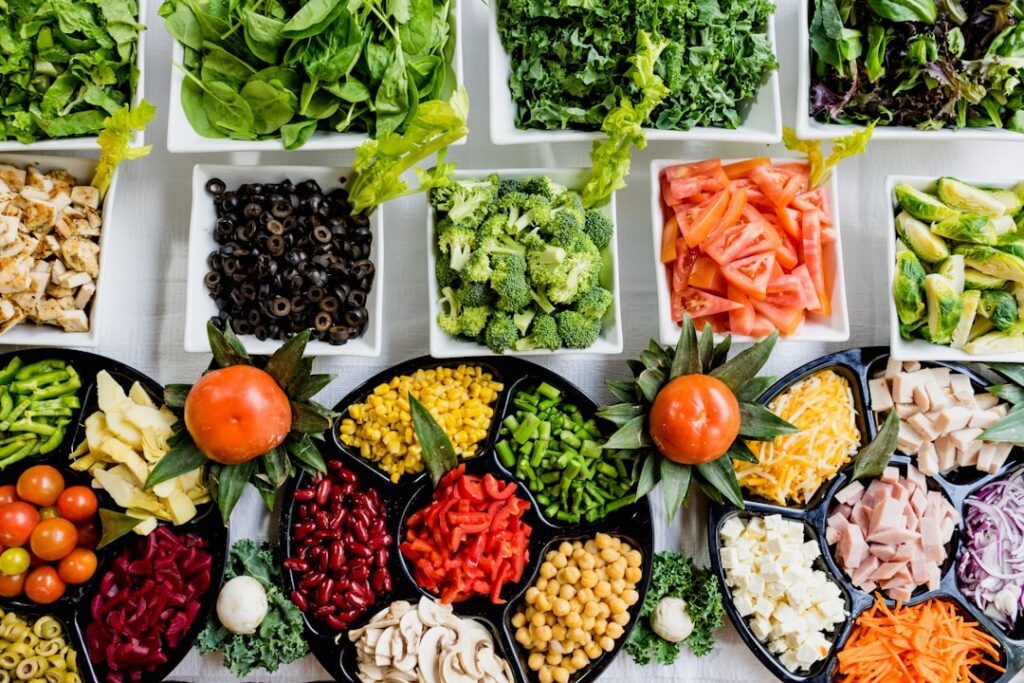
The good news is that many delicious and common foods are rich in folate. Making small, intentional choices can significantly increase your intake:
Leafy Green Vegetables
True to its name (folate comes from the Latin word ‘folium’ for leaf), leafy greens are among the best sources. Think:
- Spinach
- Kale
- Romaine lettuce
- Collard greens
- Turnip greens
A simple way to boost your intake is to add a handful of spinach to your morning smoothie or a generous serving of kale to your dinner plate.
Legumes
Beans and lentils are not only fantastic sources of plant-based protein and fiber but also packed with folate:
- Lentils
- Black beans
- Chickpeas (garbanzo beans)
- Kidney beans
- Pinto beans
Consider adding a bean salad to your lunch or incorporating lentils into soups and stews.
Avocado
This creamy fruit is a nutritional superstar, offering healthy fats, fiber, and a good amount of folate. Enjoy it in salads, on toast, or as a creamy addition to smoothies.
Other Notable Sources
Don’t stop there! Many other foods can contribute to your daily folate needs:
- Broccoli: A cruciferous vegetable that’s great steamed or roasted.
- Asparagus: Delicious and nutrient-dense, perfect as a side dish.
- Brussels Sprouts: Another cruciferous vegetable offering a good folate boost.
- Citrus Fruits: Oranges, grapefruits, and lemons contain folate.
- Beets: These root vegetables are surprisingly rich in folate.
- Nuts and Seeds: Especially sunflower seeds and peanuts.
- Liver: While not for everyone, animal liver is exceptionally high in folate.
Simple Ways to Increase Your Folate Intake
- Start with Breakfast: Add spinach to your scrambled eggs or a few slices of avocado to your toast.
- Salad Power: Make leafy greens the base of your daily salad and toss in some chickpeas or black beans.
- Smoothie Boost: Blend a handful of spinach or kale into your fruit smoothies. You won’t even taste it!
- Snack Smart: Keep a bag of mixed nuts and seeds handy for a folate-rich snack.
- Main Meals: Incorporate lentils into shepherd’s pie, use beans in tacos, or enjoy steamed broccoli and asparagus as sides.
Important Considerations
While food sources are generally preferred, some individuals, especially pregnant women or those planning pregnancy, may be advised by their healthcare provider to take folic acid supplements. Always consult with a doctor or registered dietitian before starting any new supplement regimen.
Remember, cooking methods can sometimes reduce folate content, particularly excessive boiling. Steaming, stir-frying, or eating raw can help retain more of this valuable nutrient.
Embrace the Benefits
Folate is an unsung hero in the world of nutrition, vital for your body’s most fundamental processes. By making a conscious effort to include more folate-rich foods in your diet, you’re investing in your energy, heart health, and overall vitality. It’s a simple step with profound rewards for your well-being!
Disclaimer: This article is for informational purposes only and does not constitute medical advice. Always consult with a qualified healthcare professional for any health concerns or before making any decisions related to your health or treatment.