Imagine walking into your kitchen, opening your pantry or fridge, and instantly knowing you have everything you need to whip up a delicious, nutritious meal. Sounds like a dream? It doesn’t have to be! Stocking your kitchen with the right staples can transform healthy eating from a chore into a seamless, enjoyable part of your daily life.
A well-stocked kitchen isn’t just about convenience; it’s about empowerment. It helps you make healthier choices, saves you time on meal prep, and can even reduce food waste. When you have versatile, wholesome ingredients readily available, you’re less likely to resort to unhealthy takeout or processed foods.
In this guide, we’ll unveil 15 must-have staples that form the foundation of a healthy kitchen. From vibrant vegetables to versatile grains and essential proteins, these ingredients will equip you to create countless nutritious and satisfying meals. Let’s dive in and unlock your healthier kitchen!

Your 15 Must-Have Healthy Kitchen Staples
Fresh & Frozen Produce
Produce is the cornerstone of healthy eating, providing essential vitamins, minerals, and fiber. Having a good mix of fresh and frozen options ensures you always have a nutrient boost on hand.
- 1. Leafy Greens (Spinach, Kale): Packed with vitamins A, C, K, and folate, these greens are incredibly versatile. Add them to smoothies, salads, stir-fries, or eggs.
- 2. Frozen Berries (Blueberries, Raspberries): A fantastic source of antioxidants and fiber. Perfect for smoothies, oatmeal, or a healthy dessert. Freezing preserves their nutrients and extends their shelf life.
- 3. Sweet Potatoes: Rich in beta-carotene, vitamin C, and fiber, sweet potatoes are a delicious and filling carbohydrate. They can be baked, roasted, mashed, or added to stews.
- 4. Onions & Garlic: Fundamental flavor bases for almost any savory dish. They offer immune-boosting properties and add depth without excess sodium.
- 5. Bell Peppers: High in vitamin C and antioxidants, bell peppers add color, crunch, and a sweet flavor to salads, stir-fries, fajitas, and more.
Grains & Legumes
These staples provide complex carbohydrates for sustained energy, plant-based protein, and fiber, contributing to digestive health and satiety.
- 6. Quinoa/Brown Rice: Excellent whole grain sources of fiber and complex carbohydrates. Quinoa is also a complete protein. They make great bases for bowls, sides, or additions to salads.
- 7. Oats (Rolled or Steel-Cut): A hearty whole grain, known for its soluble fiber (beta-glucan), which may help support heart health. Ideal for breakfast porridge, overnight oats, or baking.
- 8. Canned Lentils/Chickpeas: Convenient, budget-friendly sources of plant-based protein and fiber. Rinse well before using in salads, soups, curries, or homemade hummus.
Lean Proteins & Dairy
Protein is vital for muscle repair, satiety, and overall body function. These options provide essential amino acids.
- 9. Eggs: A complete protein source, versatile and quick to prepare. Great for breakfast, lunch, or a quick snack.
- 10. Canned Tuna/Salmon: Convenient sources of lean protein and omega-3 fatty acids, which are important for brain and heart health. Use in salads, sandwiches, or quick patties.
- 11. Greek Yogurt: High in protein and often probiotics, Greek yogurt is excellent for gut health. Enjoy it plain, with fruit, in smoothies, or as a healthier substitute for sour cream.
Healthy Fats, Herbs & Condiments
Healthy fats are crucial for nutrient absorption and hormone production, while herbs and natural condiments add flavor without excess unhealthy ingredients.
- 12. Olive Oil (Extra Virgin): A cornerstone of the Mediterranean diet, providing monounsaturated fats. Essential for cooking, dressings, and finishing dishes.
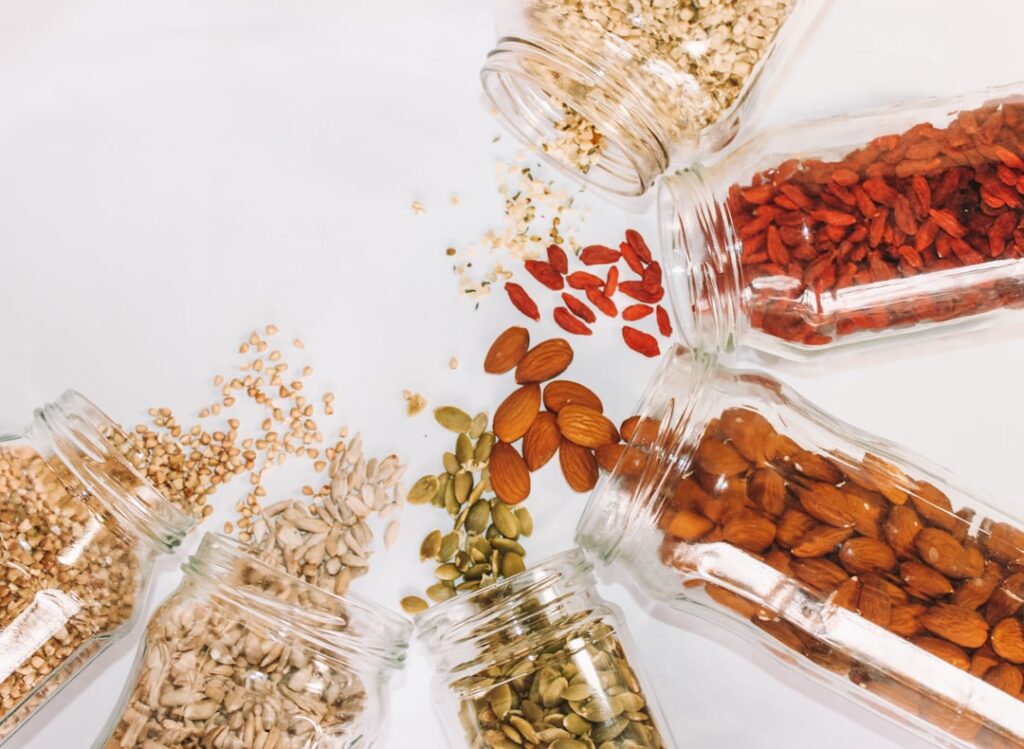
- 13. Nuts & Seeds (Almonds, Chia, Flax): Excellent sources of healthy fats, protein, and fiber. They make great snacks, additions to oatmeal, or toppings for salads. Chia and flax seeds are rich in omega-3s.
- 14. Dried Herbs & Spices: Stocking staples like turmeric, cumin, Italian seasoning, garlic powder, and paprika can transform simple ingredients into flavorful meals without relying on high-sodium sauces. Many spices also offer anti-inflammatory properties.
- 15. Apple Cider Vinegar: A versatile kitchen staple that can be used in salad dressings, marinades, or as a natural digestive aid.
Why a Healthy Kitchen Matters
Having these staples on hand offers numerous benefits beyond just healthy eating:
- Saves Time: Quick meal assembly when ingredients are readily available.
- Reduces Waste: Versatile ingredients mean less specific-use items going bad.
- Cost-Effective: Buying staples in bulk or on sale often saves money in the long run compared to frequent takeout.
- Promotes Creativity: A well-stocked pantry inspires experimentation and new recipes.
Tips for Stocking Your Healthy Pantry
- Start Small: You don’t need to buy everything at once. Pick a few items from each category to start.
- Shop Smart: Look for sales on non-perishables. Buy produce in season or opt for frozen alternatives.
- Organize: Keep your pantry and fridge organized so you can easily see what you have.
- Meal Plan: Plan your meals around your staples to ensure you use them regularly.
Final Thoughts
Building a healthy kitchen with these 15 essential staples is a powerful step towards a more nutritious and fulfilling lifestyle. It empowers you to take control of your meals, explore new flavors, and nurture your well-being with confidence.
What are YOUR go-to healthy staples that you can’t live without? Share them in the comments below – we’d love to hear from you!
Disclaimer: The information provided in this article is for educational purposes only and is not intended as a substitute for professional medical advice, diagnosis, or treatment. Always seek the advice of your physician or other qualified health provider with any questions you may have regarding a medical condition.