Did you know that the water you often pour down the drain after cooking could be a secret weapon for your garden? As gardeners, we’re always looking for ways to nourish our plants naturally and sustainably. Good news! Your kitchen holds a treasure trove of nutrient-rich liquids perfect for giving your green friends a boost.
By reusing certain types of cooking water, you can provide essential minerals to your plants, reduce waste, and save money on store-bought fertilizers. It’s a win-win for your garden and the environment!
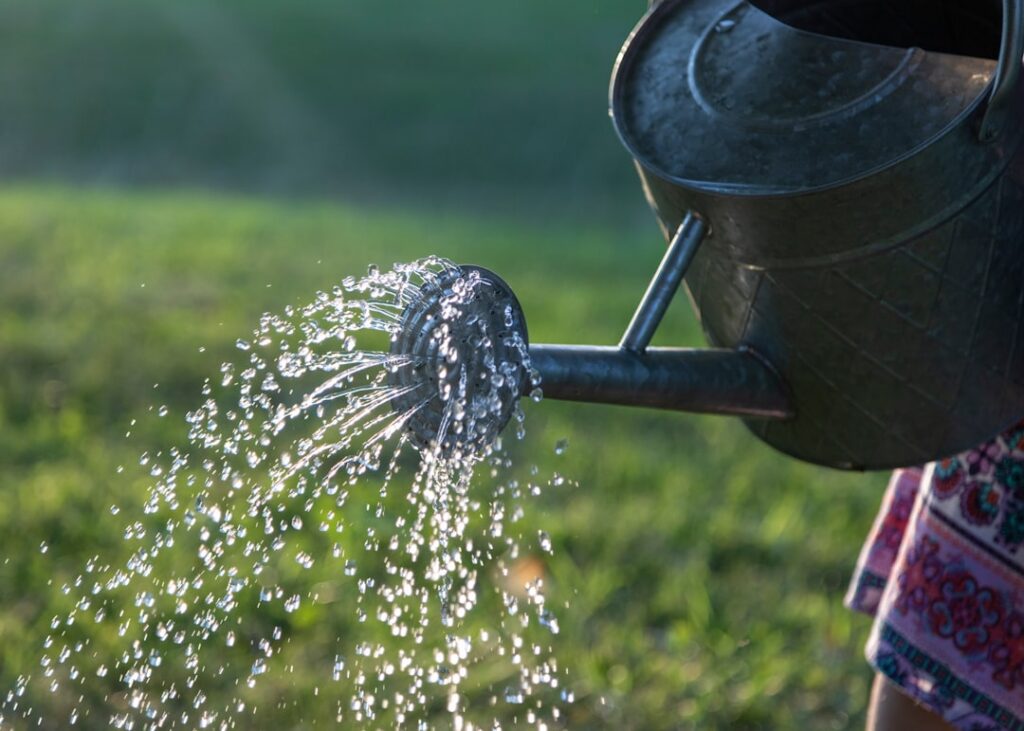
Unlock the Power of Cooking Water for Your Plants
Let’s explore three common types of cooking water and how they can benefit your beloved plants. Remember, the key is always to ensure the water is unsalted and completely cooled before use!
1. Egg-Boiling Water: A Calcium Boost for Stronger Plants
After you’ve boiled eggs for breakfast or a salad, don’t discard that water! Egg-boiling water is naturally rich in calcium, a vital nutrient for plant health. Calcium helps strengthen plant cell walls, leading to more robust growth and better resistance to disease.
- Benefits: Provides essential calcium, strengthens cell walls, and helps prevent common issues like blossom-end rot in certain vegetables.
- Best for: Tomatoes, peppers, and eggplants especially benefit from calcium to prevent blossom-end rot, a common issue where the bottom of the fruit turns soft and black. Many other vegetables and flowering plants will also appreciate the calcium boost for overall vigor.
2. Potato-Boiling Water: Potash for Blooming and Resilience
The water left over from boiling potatoes is packed with potassium and a touch of phosphorus. These minerals are crucial for healthy flowering, fruit development, and improving a plant’s overall disease resistance.
- Benefits: Boosts flowering, supports fruit development, enhances overall plant immunity, and contributes to root health.
- Best for: Flowering plants like roses, hydrangeas, and petunias will thrive with the extra potassium for abundant blooms. Berry bushes and other fruit-bearing plants can also see improved yields and stronger growth.
3. Pasta-Boiling Water: Fuel for Soil Microbes and Leafy Growth
The cloudy water remaining after cooking pasta contains starches that, when introduced to the soil, can be a fantastic food source for beneficial soil microbes. These microbes play a crucial role in breaking down organic matter and making nutrients available to your plants.
- Benefits: Feeds beneficial soil microorganisms, which in turn improve soil structure, nutrient cycling, and overall soil health. This leads to healthier roots and more vigorous leafy growth.
- Best for: Leafy greens (like lettuce, spinach, and kale), herbs (basil, mint, parsley), and young seedlings will benefit from the enhanced soil microbiome, promoting strong vegetative growth.
Important Safety Tips for Using Cooking Water Fertilizer
While using cooking water for your garden is a fantastic sustainable practice, there are a few critical rules to follow to ensure you do more good than harm:
- Cool Completely: Always allow the cooking water to cool down to room temperature before pouring it onto your plants. Hot water can scald roots and damage delicate plant tissues.
- NEVER Use Salted Water: This is the most crucial rule! Salt (sodium) is detrimental to plants and soil. It can build up in the soil, inhibit water absorption, and eventually kill your plants. Only use water from foods cooked without added salt.
- Avoid Greasy Water: Water used to cook fatty meats or with oil added can clog soil pores and prevent oxygen from reaching roots, so steer clear of these.
- Apply Directly to Soil: Pour the cooled water directly onto the soil around the base of the plant, allowing it to soak in. Avoid spraying it on leaves, especially during sunny conditions, as this can cause scorching.
Make Every Drop Count in Your Garden!
Incorporating these simple habits into your kitchen routine can significantly benefit your garden, proving that sustainable gardening doesn’t have to be complicated or expensive. By giving your plants this free cooking water fertilizer, you’re not just nourishing them; you’re also taking a positive step towards a more eco-friendly lifestyle.
Which cooking water will you start saving first? Share your experiences and tips with us in the comments!