Are you looking for ways to give your immune system daily support? It all starts with nourishing your body through simple yet powerful food choices and healthy lifestyle habits. Our immune system is our body’s primary defense mechanism, constantly working to protect us from illness and infection. While no single food is a magic bullet, a consistent diet rich in specific nutrients, combined with healthy living, can significantly strengthen its ability to keep you well.
Understanding which foods and habits contribute most to immune health can empower you to make informed decisions for a healthier, more resilient you. Let’s dive into the daily essentials that can help your immune system thrive.
The Power of Immune-Boosting Foods
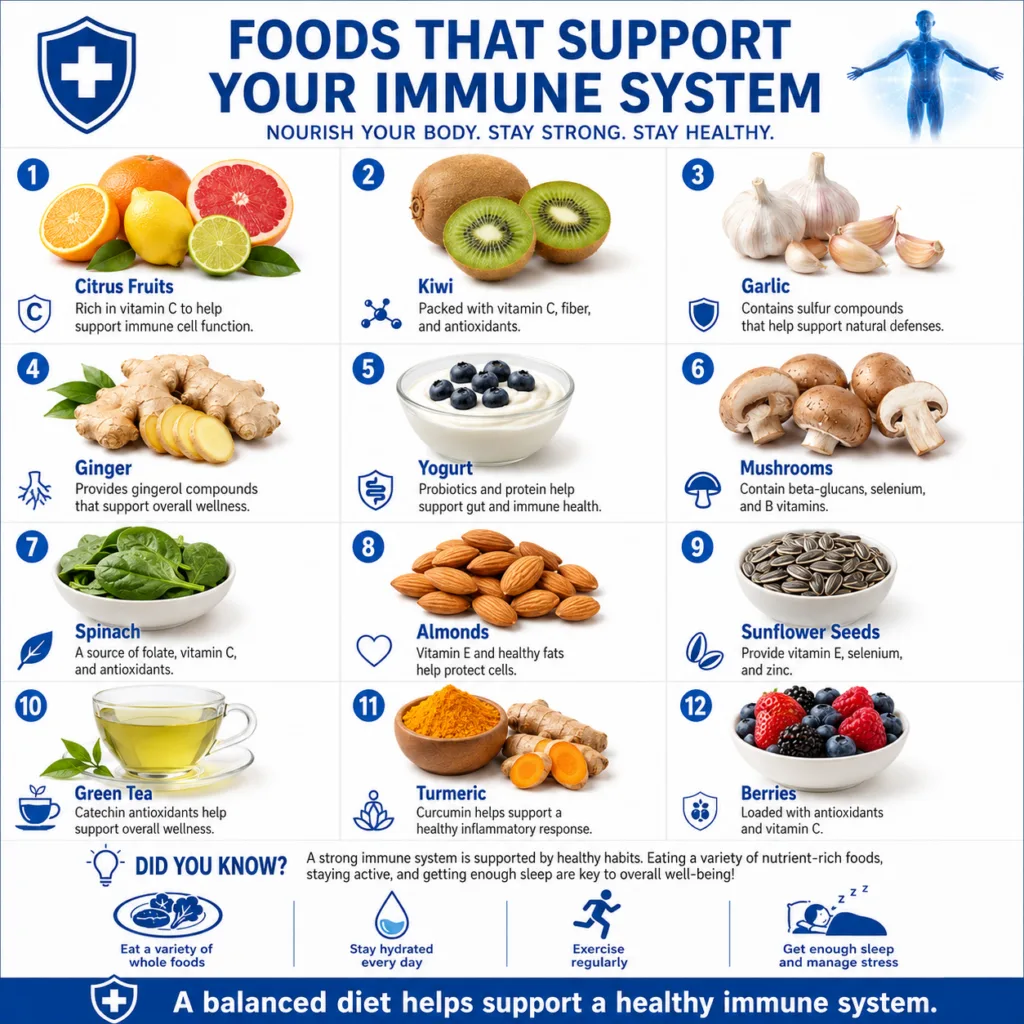
Your diet plays a critical role in supporting immune function. Certain foods are packed with vitamins, minerals, and antioxidants that are essential for immune cells to work effectively. Here are some of the top contenders:
- Citrus Fruits: Oranges, grapefruits, lemons, and limes are famous for their high Vitamin C content. This powerful antioxidant is crucial for the production of white blood cells, which are key to fighting infections.
- Red Bell Peppers: Surprisingly, red bell peppers contain almost three times more Vitamin C than an orange! They are also a great source of beta-carotene, which your body converts into Vitamin A, another vital immune booster.
- Broccoli: This green superfood is loaded with vitamins A, C, and E, as well as numerous antioxidants and fiber. To retain its immune-boosting power, it’s best to cook it as little as possible.
- Garlic: Used for centuries for its medicinal properties, garlic contains allicin, a compound with potent immune-boosting and infection-fighting qualities.
- Ginger: Known for its anti-inflammatory and antioxidant properties, ginger can help soothe sore throats and reduce nausea, making it a great addition during cold and flu season.
- Spinach: Rich in Vitamin C, antioxidants, and beta-carotene, spinach helps fight infection. Like broccoli, it’s best consumed lightly cooked to retain its nutrients.
- Yogurt: Look for yogurts with live and active cultures. These probiotics can stimulate your immune system and help maintain a healthy gut, which is directly linked to overall immune health.
- Almonds: Packed with Vitamin E, a fat-soluble antioxidant, almonds are important for a healthy immune system. They also contain magnesium and fiber.
- Sunflower Seeds: These small seeds are bursting with nutrients, including phosphorus, magnesium, and Vitamin B-6, but especially Vitamin E, which is a powerful antioxidant.
- Turmeric: This bright yellow spice contains curcumin, a compound with strong anti-inflammatory and antioxidant effects that can support immune function.
- Green Tea: Green tea is rich in flavonoids and epigallocatechin gallate (EGCG), a powerful antioxidant. EGCG has been shown to enhance immune function.
- Kiwi: Like citrus, kiwi is full of Vitamin C, but it also provides Vitamin K, Vitamin E, folate, and potassium, all of which contribute to immune health.
Beyond the Plate: Lifestyle Habits for Robust Immunity
While food is fundamental, a holistic approach to health involves several other lifestyle factors that significantly impact your immune system’s strength.
1. Eat a Variety of Whole Foods
Beyond the specific foods listed above, ensuring a diverse diet rich in fruits, vegetables, whole grains, and lean proteins guarantees a broad spectrum of vitamins, minerals, and phytonutrients. Each component plays a unique role in supporting your body’s defenses.
2. Stay Hydrated
Water isn’t just for thirst; it’s essential for countless bodily functions, including the proper circulation of immune cells and nutrients throughout your body. Adequate hydration helps your lymphatic system, which is part of your immune system, to carry waste products away from your tissues.
3. Exercise Regularly
Moderate, regular exercise can boost your immune system by increasing the circulation of immune cells, helping them to patrol the body more effectively and detect potential threats earlier. Aim for at least 30 minutes of moderate activity most days of the week.
4. Get Enough Sleep & Manage Stress
Sleep deprivation and chronic stress can suppress your immune system, making you more susceptible to illness. During sleep, your body produces protective proteins called cytokines. Aim for 7-9 hours of quality sleep per night and incorporate stress-reducing practices like meditation, yoga, or spending time in nature.
Conclusion
Supporting your immune system doesn’t have to be complicated. By making conscious choices about the foods you eat and adopting healthy lifestyle habits, you can build a robust defense system that helps you stay healthy and vibrant year-round. Start with these simple, actionable steps today and feel the difference!