Hello fellow gardeners! Are you looking for a simple, natural way to give your plants a powerful boost? Today, we’re diving into one of nature’s best-kept secrets for a thriving garden: banana peel fertilizer! This humble kitchen scrap is packed with nutrients that can transform your roses and tomatoes, making them healthier, more vibrant, and incredibly productive.
We all want our gardens to flourish, but sometimes it feels like a constant battle against nutrient deficiencies and struggling plants. The good news is, you might already have a fantastic solution right in your fruit bowl. Banana peels are a powerhouse of essential minerals, and turning them into a homemade fertilizer is incredibly easy and eco-friendly. Let’s dig in!
Why Banana Peels Are a Gardener’s Best Friend
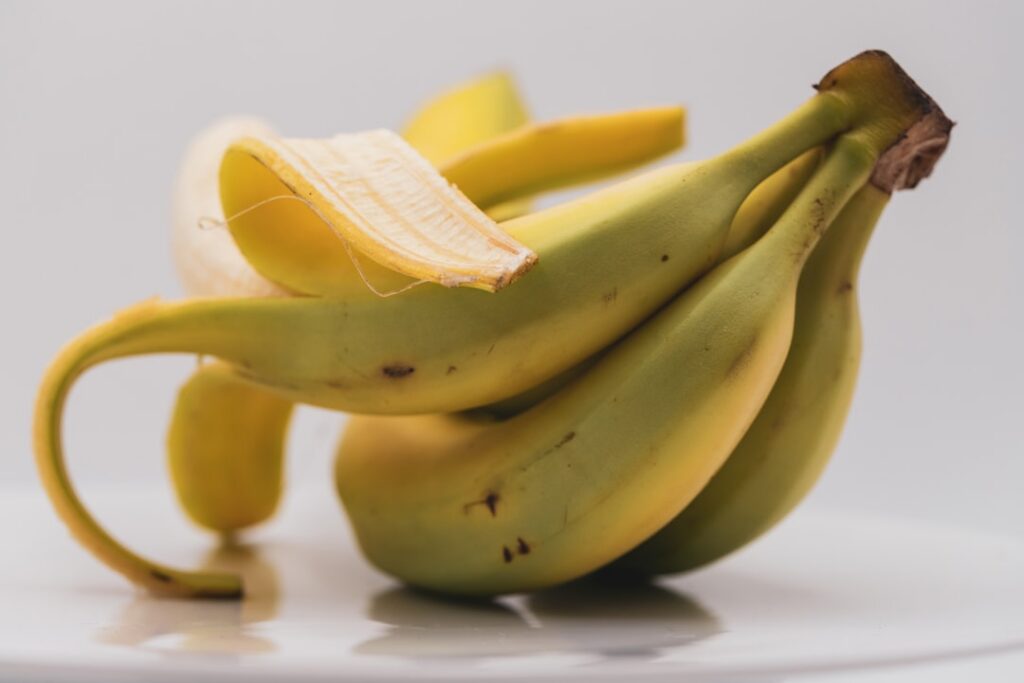
So, what makes banana peels such a miraculous addition to your garden? It’s all about their rich nutritional profile. Banana peels are an excellent source of:
- Potassium (K): This is the superstar nutrient found in banana peels! Potassium is crucial for flowering and fruiting, helping plants develop strong stems, resist diseases, and produce abundant, high-quality blooms and fruits. It’s like a plant’s immune system booster and energy generator.
- Phosphorus (P): Essential for root development, seed formation, and overall plant vigor. It helps plants convert nutrients into building blocks for growth.
- Calcium (Ca): Vital for cell wall formation, leading to stronger plants and helping prevent common issues like blossom end rot in tomatoes.
- Magnesium (Mg): A key component of chlorophyll, the green pigment in leaves, magnesium is essential for photosynthesis. It also aids in nutrient absorption.
- Other Trace Minerals: Banana peels also contain smaller amounts of other beneficial micronutrients that contribute to overall plant health.
By using banana peels, you’re not just fertilizing; you’re also enriching your soil’s organic matter, improving its structure, and encouraging beneficial microbial activity.
The Amazing Benefits for Your Roses
If you dream of vibrant, fragrant roses with continuous blooms, banana peel fertilizer can be a game-changer. Roses are heavy feeders, especially when it comes to potassium, which directly influences the size, color, and quantity of their flowers.
- Bigger, Brighter Blooms: The high potassium content in banana peels encourages more prolific and robust flowering, leading to larger, more intensely colored blossoms.
- Stronger Stems: Potassium helps strengthen plant cell walls, making rose stems more resilient and less prone to flopping over.
- Enhanced Disease Resistance: Healthier, well-nourished roses are better equipped to fend off common fungal diseases like black spot and powdery mildew.
- Continuous Flowering: Regular application can support a longer blooming season, giving you more time to enjoy your beautiful roses.
Transforming Your Tomato Harvest
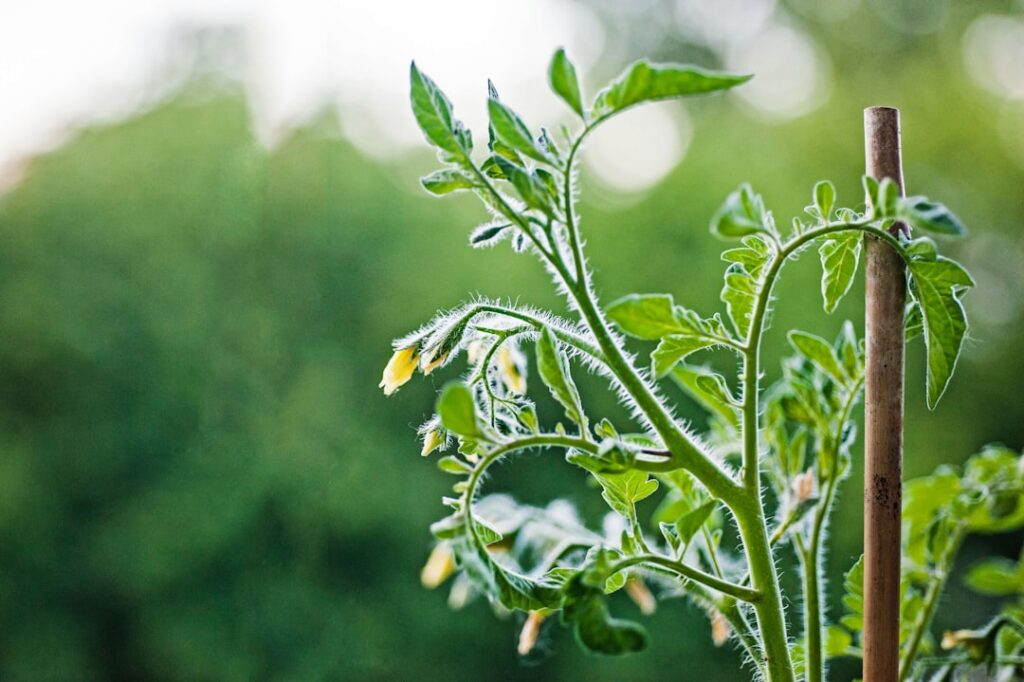
For those who love fresh, homegrown tomatoes, banana peel fertilizer is a must-try. Tomatoes are notoriously heavy feeders and can greatly benefit from the extra potassium and calcium provided by banana peels.
- Abundant Fruit Production: Potassium is paramount for fruit development. Banana peels will help your tomato plants set more fruit and grow larger, juicier tomatoes.
- Prevention of Blossom End Rot: The calcium in banana peels is crucial for preventing blossom end rot, a common and frustrating issue where the bottom of the tomato turns black and leathery.
- Improved Flavor: Well-nourished plants tend to produce fruits with superior flavor and texture, making your homegrown tomatoes even more delicious.
- Stronger Plant Structure: Robust stems and healthy foliage mean your tomato plants can better support their heavy fruit load.
How to Make Homemade Banana Peel Fertilizer
There are several easy ways to harness the power of banana peels for your garden. Choose the method that best suits your gardening style and time!
Method 1: Direct Burying (The Easiest Way!)
This is the simplest method and perfect for established plants like roses and tomatoes.
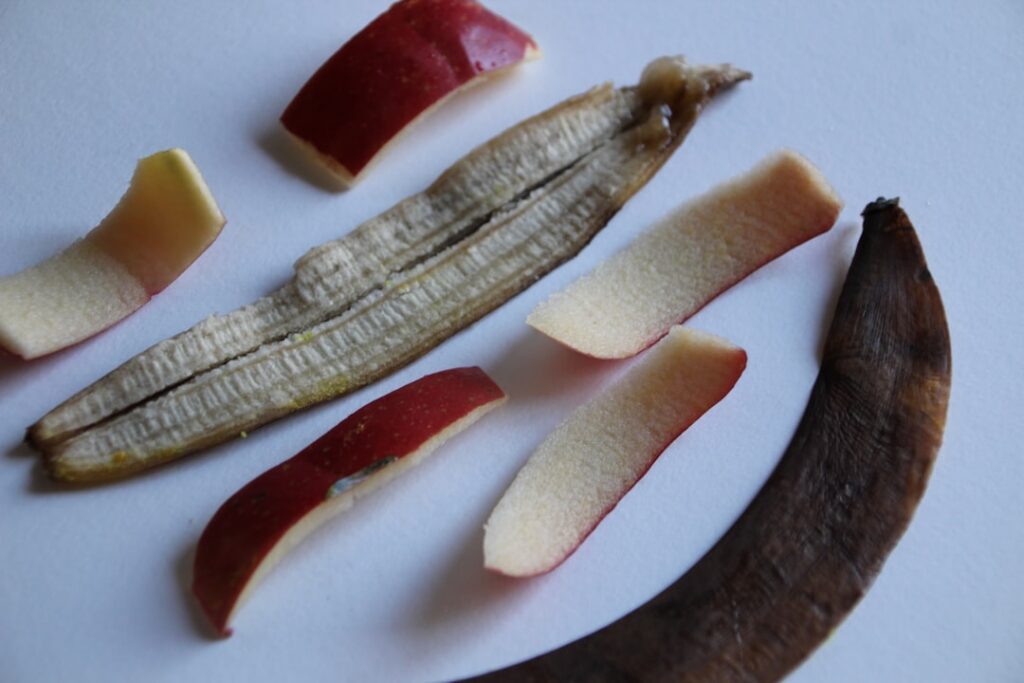
- Chop the Peels: Cut banana peels into 1-inch (2.5 cm) pieces. Smaller pieces decompose faster.
- Bury Them: Dig a trench or several small holes about 4-6 inches deep around the drip line (the outer edge of the plant’s canopy) of your rose bush or tomato plant.
- Place Peels & Cover: Place the chopped banana peels into the holes/trench and cover them completely with soil. Burying them prevents pests and helps them decompose effectively.
- Frequency: You can do this once a month during the growing season.
Method 2: Banana Peel Tea (Liquid Fertilizer)
This method provides a quick-acting liquid feed, perfect for a fast nutrient boost.
- Collect Peels: Save 3-5 banana peels.
- Soak in Water: Place the peels in a large jar or bucket and cover them with about a gallon (4 liters) of water.
- Steep: Let the peels steep for 2-3 days, or even up to a week. The water will turn brownish.
- Strain & Dilute: Strain out the peels (you can compost them!) and dilute the banana tea with an equal amount of fresh water (1:1 ratio).
- Apply: Use this diluted liquid to water your roses and tomato plants.
- Frequency: Apply every 2-4 weeks during the active growing season.
Method 3: Dried & Powdered Banana Peels
This method creates a long-lasting, slow-release fertilizer that can be stored and applied as a dry amendment.
- Dry the Peels: Lay banana peels flat on a baking sheet and either air-dry them for several days (in a warm, dry spot) or bake them on the lowest setting in your oven until they are completely brittle. You can also use a dehydrator.
- Grind to Powder: Once completely dry and crispy, break them into smaller pieces and grind them in a coffee grinder or food processor until they form a fine powder.
- Store: Store the banana peel powder in an airtight container in a cool, dry place.
- Apply: Sprinkle a tablespoon or two of the powder around the base of your plants, gently scratch it into the topsoil, and then water thoroughly.
- Frequency: Apply every 4-6 weeks or as a soil amendment before planting.
Tips for Success with Banana Peel Fertilizer
- Consistency is Key: Regular application, especially during flowering and fruiting stages, will yield the best results.
- Don’t Overdo It: While natural, too much of a good thing can still be excessive. Stick to the recommended frequencies.
- Combine with Other Organics: Banana peel fertilizer is a fantastic supplement but remember to maintain overall soil health with compost and other organic matter.
- Watch for Pests (Direct Burying): While rare, improper burying can attract pests. Ensure peels are fully covered with soil.
- Use Ripe Peels: Riper bananas generally have more concentrated nutrients in their peels.
Ready to Transform Your Garden?
There you have it! A simple, sustainable, and incredibly effective way to supercharge your roses and tomatoes using something you might otherwise throw away. Giving your plants the extra boost of potassium, phosphorus, and calcium from banana peels will lead to a more beautiful, bountiful garden you can truly be proud of.
So, next time you enjoy a delicious banana, remember that its peel holds incredible potential for your garden. Give these methods a try and tell us about your flourishing plants!