When it comes to supporting overall reproductive wellness, every daily choice can make a difference. This includes the beverages you consume regularly. The drinks we choose can play a significant role in influencing various aspects of health, including sperm health.
Understanding which drinks may support fertility and which might hinder it is a valuable step in a holistic wellness journey. This guide will explore common drinks, highlighting those to embrace for their potential benefits and those to limit for optimal reproductive health, based on expert insights.
Understanding Your Drink Choices and Sperm Health
Many factors contribute to sperm health, including diet, lifestyle, and environmental exposures. While the impact of specific beverages can vary, general principles of nutrition and hydration are key. Certain drinks can provide essential nutrients and antioxidants, while others may contain ingredients that could potentially affect sperm quality, count, and motility.
Drinks to Limit for Optimal Sperm Health
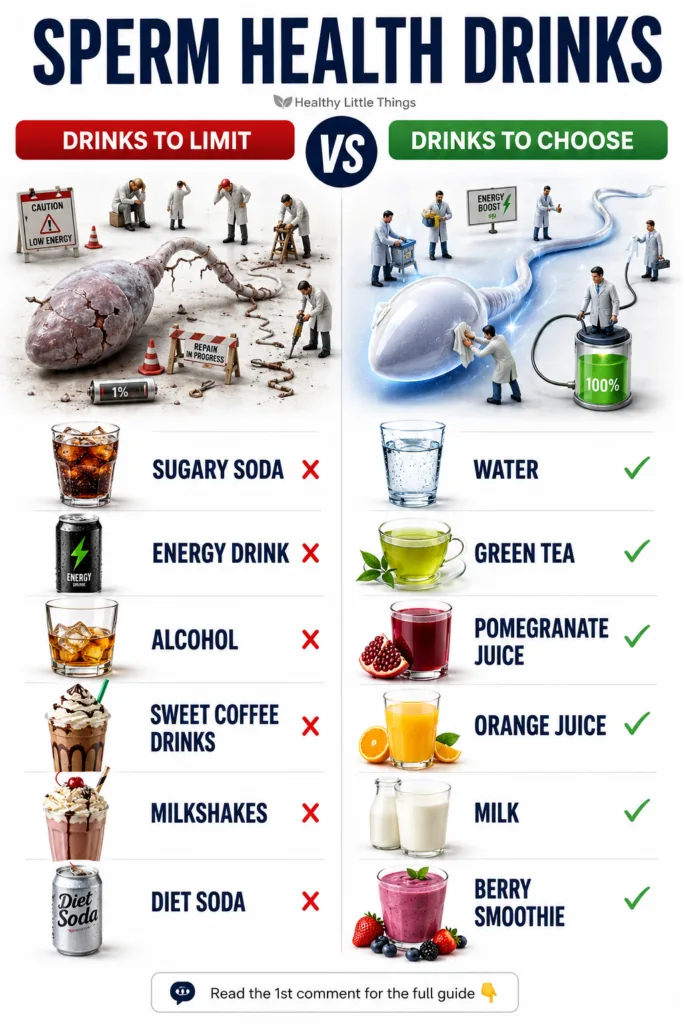
For those looking to optimize sperm health, it’s wise to be mindful of certain beverages that may have a less favorable impact. These drinks often contain ingredients that can contribute to inflammation, oxidative stress, or hormonal imbalances, all of which can potentially affect reproductive function.
Sugary Sodas and Energy Drinks
Beverages high in added sugars, such as sodas and many energy drinks, are often associated with negative health outcomes. High sugar intake can lead to increased oxidative stress and inflammation, which may not be conducive to optimal sperm health. Some studies suggest a link between high consumption of sugary drinks and reduced semen quality.
For those seeking an energy boost, consider natural alternatives like a brisk walk or a cup of green tea.
Alcohol
Excessive alcohol consumption is well-documented for its widespread health effects, including potential impacts on reproductive health. High alcohol intake can disrupt hormone levels, particularly testosterone, and may lead to reduced sperm production and quality. Moderation is key, and some choose to limit or avoid alcohol entirely when focusing on fertility.
Sweet Coffee Drinks and Milkshakes
Similar to sugary sodas, sweet coffee concoctions and milkshakes often pack a significant amount of added sugars and unhealthy fats. These can contribute to weight gain and metabolic issues, indirectly affecting hormonal balance and overall reproductive health. Opting for black coffee or unsweetened tea, and choosing water over creamy, sugar-laden drinks, can be beneficial.
Diet Sodas
While diet sodas are sugar-free, they often contain artificial sweeteners. The long-term health effects of these sweeteners are still being researched, and some studies raise questions about their impact on gut health and metabolism. For a healthier alternative, sparkling water with a squeeze of fresh lemon or lime is a great choice.
Drinks to Choose for Supporting Sperm Health
On the flip side, several beverages can actively support sperm health by providing essential nutrients, antioxidants, and hydration. Incorporating these into your daily routine can be a proactive step towards enhancing reproductive wellness.
Water
Staying adequately hydrated is fundamental for all bodily functions, including reproductive health. Water helps maintain the volume of seminal fluid and supports the overall environment for sperm. Aim for at least 8 glasses of water a day, or more if you’re active.
Green Tea
Green tea is renowned for its high antioxidant content, particularly catechins like EGCG. These powerful antioxidants can help protect cells, including sperm, from oxidative damage. Regular consumption of green tea, particularly high-quality organic varieties, may contribute to better sperm health.
Pomegranate Juice
Pomegranate juice is rich in antioxidants, such as polyphenols, which have been studied for their potential benefits in supporting male fertility. These compounds may help combat oxidative stress, which is a factor in sperm quality. When choosing pomegranate juice, opt for 100% pure juice with no added sugars.
Orange Juice
A good source of Vitamin C, orange juice can be a beneficial addition to your diet for sperm health. Vitamin C is a potent antioxidant that can help protect sperm from damage and may improve sperm motility and morphology. Freshly squeezed or 100% pure orange juice is preferred over varieties with added sugars.
Milk
Milk, especially low-fat or skim varieties, provides essential nutrients like calcium, Vitamin D, and protein, all of which are important for overall health. Some research suggests a link between dairy intake and improved semen quality. If you’re sensitive to dairy, fortified plant-based milks like almond or soy can offer similar nutrients.
Berry Smoothies
Berry smoothies are a fantastic way to combine multiple nutrient-dense ingredients. Berries are packed with antioxidants, fiber, and vitamins, which can collectively support reproductive health. Adding ingredients like leafy greens, chia seeds, or protein powder can further enhance their nutritional value.
Simple Berry Smoothie for Sperm Health
This recipe provides a delicious and nutrient-rich option that can be easily incorporated into your daily routine.
- Servings: 1
- Prep Time: 5 minutes
Ingredients:
- 1 cup mixed berries (fresh or frozen, e.g., blueberries, raspberries, strawberries)
- 1/2 cup unsweetened almond milk (or your preferred milk)
- 1/2 ripe banana (optional, for sweetness and creaminess)
- 1 tablespoon chia seeds
- 1/2 scoop protein powder (optional, for added protein)
Instructions:
- Combine all ingredients in a blender.
- Blend on high speed until smooth and creamy. If too thick, add a splash more milk.
- Pour into a glass and enjoy immediately.
Storage Tip: Best consumed fresh, but you can prepare ingredients the night before and store them in the fridge for a quick blend in the morning.
Making Healthier Hydration Choices
Adopting healthier drinking habits doesn’t have to be complicated. Start by gradually reducing your intake of sugary and artificially sweetened beverages and increasing your consumption of water and natural, antioxidant-rich drinks. Small, consistent changes can lead to significant benefits for your overall health and reproductive wellness.
Frequently Asked Questions About Sperm Health Drinks
Are all fruit juices good for sperm health?
While some fruit juices like pomegranate and orange juice offer benefits, it’s best to choose 100% pure juices with no added sugars. Whole fruits are always preferable due to their fiber content. Avoid fruit ‘drinks’ or ‘cocktails’ which are often high in sugar and artificial ingredients.
Can coffee affect sperm health?
Moderate coffee consumption (1-2 cups per day) is generally considered acceptable and may even offer some antioxidant benefits. However, excessive caffeine intake, especially from sugary coffee drinks, might have adverse effects. Opt for black coffee or limit added sweeteners and creams.
What about sports drinks?
Most commercial sports drinks are formulated for intense athletic activity and often contain high levels of sugar and electrolytes. Unless you are engaging in prolonged, strenuous exercise, plain water is typically the best choice for hydration. Sugary sports drinks are best limited for general health and sperm health.
Final Thoughts
The choices we make regarding our daily hydration significantly influence our overall health, including vital aspects like sperm health. By consciously selecting beneficial beverages such as water, green tea, and antioxidant-rich fruit juices, while moderating or avoiding sugary and alcoholic drinks, you can take an active role in supporting your reproductive wellness. Remember that a balanced diet and healthy lifestyle are crucial components of this journey. For personalized advice, always consult with a qualified healthcare professional.