Imagine stepping into your backyard and finding not just a lawn, but an extension of your home – a dedicated outdoor room designed for comfort, relaxation, and memorable gatherings. Many of us look at our plain backyards and see untapped potential, a blank canvas yearning for purpose. The dream of a tranquil retreat or a vibrant entertaining space often feels out of reach, but with a clear vision and practical steps, transforming your outdoor area into a shaded oasis is entirely achievable.
This guide will walk you through the essential elements of creating such a space, from laying the foundation to selecting the perfect plants and furnishings. Get ready to turn that forgotten patch of green into your favorite spot for dining al fresco, unwinding with a good book, or simply enjoying the fresh air in style.
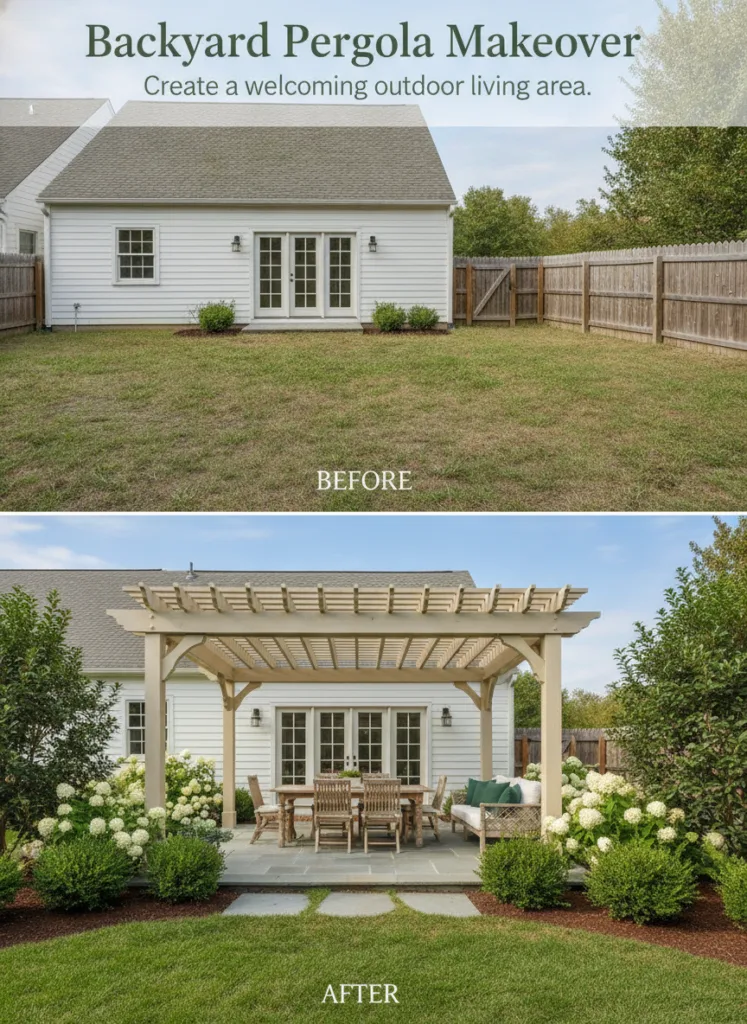
The Vision: Transforming Your Backyard into an Outdoor Retreat
An outdoor room isn’t just about adding furniture; it’s about extending your living space beyond the walls of your home. It creates a seamless transition between indoors and out, inviting you to connect with nature without sacrificing comfort. A well-designed outdoor retreat offers a versatile area for entertaining friends, enjoying family meals, or simply finding a quiet moment for yourself. The key is to think of it as a distinct room with its own function and aesthetic, integrated harmoniously into your garden design.
Laying the Foundation: Patio and Hardscaping
Every great outdoor room needs a solid foundation, and a patio is the perfect starting point. It defines the space, provides a stable surface for furniture, and sets the tone for your design.
Choosing Your Patio Material
The material you choose for your patio significantly impacts its look, feel, and maintenance. Popular options include:
- Natural Stone: Flagstone, slate, or bluestone offers a timeless, organic look. It’s durable and beautiful, though often more expensive and labor-intensive to install.
- Pavers: Concrete or brick pavers come in countless colors, shapes, and sizes, offering design flexibility and often a more budget-friendly option than natural stone. They are modular and generally easy to repair if a single paver is damaged.
- Poured Concrete: A versatile and cost-effective choice that can be stamped, stained, or textured to mimic other materials. It creates a smooth, continuous surface.
- Wood Decking: While technically a deck, a low-profile wood deck can achieve a similar outdoor room feel, especially when connected to the house. Consider rot-resistant woods like cedar, redwood, or pressure-treated lumber.
Planning for Drainage and Leveling
Proper site preparation is crucial for a long-lasting patio. The area must be level or have a slight slope (typically 1/8 to 1/4 inch per foot) away from your house for proper water drainage. A compacted gravel base is essential to prevent shifting and ensure stability. For DIYers, careful measurement and using a level are non-negotiable. If you’re unsure about drainage or significant leveling, consulting a landscape professional can save you headaches down the road.
Crafting Your Shade: The Pergola
A pergola is the architectural heart of a shaded outdoor room, offering dappled light, a sense of enclosure, and a beautiful focal point. It defines the space above your patio and provides essential relief from the sun.
Pergola Design and Materials
Pergolas can be attached to your home, creating a seamless extension, or freestanding within the yard. Common materials include:
- Wood: Cedar, redwood, and pressure-treated pine are popular choices for their natural beauty and ability to withstand the elements. Wood can be stained or painted to match your home.
- Metal: Aluminum or steel pergolas offer a sleek, modern look and are very durable and low maintenance.
- Vinyl/Composite: These options are virtually maintenance-free and come in various styles, though they may lack the natural charm of wood.
Consider the architecture of your home and the overall garden design when choosing a style. A pergola with an adjustable louvered roof offers maximum flexibility for sun and shade control.
Strategic Placement for Optimal Shade
When positioning your pergola, observe the sun’s path throughout the day and across seasons. Ideally, it should provide shade during the hottest parts of the day when you’ll be using the space most. An attached pergola often extends directly from the house’s exterior, offering convenient access and sometimes leveraging existing structural support. For larger structures or those attached to your home, check local building codes for any necessary permits.
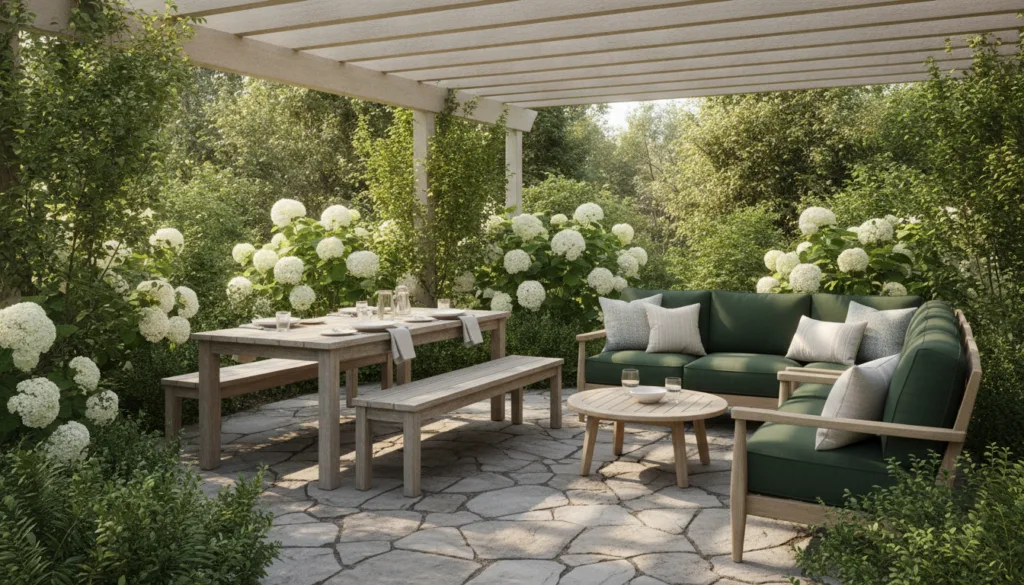
Bringing Life with Greenery: Strategic Planting
Plants are what truly transform an outdoor structure into a living, breathing room. They add softness, color, texture, and often fragrance, creating a welcoming ambiance.
Selecting Plants for Structure and Softness
When choosing plants, consider their mature size, light requirements, and how they will complement your hardscaping. Layering plants of different heights and textures creates visual interest.
Hydrangeas
As seen in the transformation, hydrangeas are a fantastic choice for their lush foliage and abundant blooms. They offer a classic, romantic feel and can provide significant visual impact.
- Common Name: Hydrangea
- Botanical Name: Hydrangea macrophylla (Bigleaf Hydrangea), Hydrangea paniculata (Panicle Hydrangea), or Hydrangea quercifolia (Oakleaf Hydrangea) are popular types.
- Hardiness: USDA Zones 3-9, depending on the species and cultivar. Many newer cultivars are more cold-hardy.
- Plant type: Deciduous shrub.
- Exposure: Most hydrangeas prefer morning sun and afternoon shade, especially in warmer climates (Zones 7+). *H. paniculata* varieties tend to be more sun-tolerant. Insufficient sun may result in fewer blooms.
- Soil: Rich, well-drained soil with consistent moisture is ideal. They prefer slightly acidic to neutral pH, though bigleaf hydrangeas’ bloom color (blue vs. pink) can be influenced by soil pH.
- Watering: Regular, deep watering, particularly during dry spells, establishment, and when they are actively blooming. Wilting leaves often indicate a need for water, but prolonged wilting in intense heat can also be stress-related.
- Height/Spread: Varies greatly by cultivar, typically 3-15 feet tall and wide. Choose cultivars that fit your space.
- Value: Large, showy blooms from summer into fall; excellent for softening hardscapes and creating a lush backdrop.
- Care Tip: Pruning time varies by type. Bigleaf hydrangeas (which bloom on old wood) should be pruned immediately after flowering. Panicle and smooth hydrangeas (which bloom on new wood) are best pruned in late winter or early spring.
- Warning: Can suffer from leaf scorch in hot, direct afternoon sun without adequate moisture. Consistent soil moisture is key to their success.
Companion Planting for Year-Round Interest
Beyond hydrangeas, consider combining them with:
- Evergreen Shrubs: Provide structure and color year-round, even in winter. Examples include boxwood, dwarf conifers, or certain azaleas.
- Flowering Perennials: Add pops of seasonal color. Hostas (for shady spots), salvias (for sunnier spots), or coneflowers can complement shrubs.
- Ornamental Grasses: Offer texture and movement, creating a natural feel.
When planting, amend your soil with compost to improve fertility and drainage. Dig planting holes wide enough to accommodate the root ball, and ensure the top of the root ball is level with or slightly above the surrounding soil. Space plants appropriately to allow for mature growth and good air circulation, which helps prevent fungal diseases.
Furnishing Your Outdoor Room: Comfort and Style
Once your hardscaping and plants are in place, it’s time to furnish your outdoor room to make it truly inviting and functional.
Outdoor Furniture Selection
Choose furniture that is not only stylish but also durable and weather-resistant. Materials like teak, cedar, aluminum, wrought iron, and all-weather wicker can withstand the elements. Invest in quality, comfortable cushions made from outdoor fabrics that resist fading and mildew. Consider a dining set for meals and a separate lounge area with an outdoor sofa and chairs for relaxation.
Lighting and Accessories
Lighting transforms the ambiance of your outdoor room as evening falls. String lights draped across the pergola, solar-powered lanterns, or strategically placed spotlights can create a magical glow. Add an outdoor rug to define the space, weather-resistant throw pillows for extra comfort and color, and decorative planters with seasonal flowers or herbs to personalize your oasis.
Maintaining Your Beautiful Backyard Oasis
Like any room in your home, your outdoor space will thrive with a bit of care. Regular maintenance ensures its beauty and longevity.
Seasonal Care for Plants
Keep your plants healthy with appropriate watering, especially during dry spells. Apply a layer of mulch around the base of plants to conserve moisture, suppress weeds, and regulate soil temperature. Follow pruning guidelines for your specific plants to encourage healthy growth and abundant blooms.
Keeping Hardscapes Clean
Sweep your patio regularly to remove leaves and debris. Occasional pressure washing can remove dirt and mildew, keeping your patio looking fresh. Inspect your pergola annually for any signs of wear, rot, or pest damage, and address them promptly.
Protecting Your Investment
During winter or periods of extreme weather, protect your outdoor furniture with covers or store it indoors if possible. Regular cleaning and sealing of wood or stone elements can extend their lifespan significantly.
Common Mistakes to Avoid
- Underestimating Sun Exposure: What seems like full shade in spring might be intense afternoon sun in summer. Observe your yard’s sun patterns throughout the year before planting.
- Poor Drainage: A patio without proper drainage can lead to pooling water, structural damage, and slippery surfaces.
- Not Considering Mature Plant Size: Planting too close to the house or patio can lead to overgrown shrubs blocking pathways or damaging structures. Always check the mature height and spread.
- Neglecting Soil Preparation: Good soil is the foundation for healthy plants. Don’t skip amending heavy clay or sandy soils.
- Lack of a Clear Plan: Rushing into construction or planting without a thoughtful design can lead to disjointed results. Take time to sketch out your vision.
Regional Considerations for Your Outdoor Room
While the principles of creating an outdoor room are universal, specific plant choices and material durability can vary significantly across the United States. In colder USDA Zones (3-5), focus on very hardy plants and ensure materials can withstand freezing and thawing cycles. In warmer zones (9-11), emphasize plants that tolerate heat and drought, and select pergola materials that resist intense UV radiation. Always check with your local extension service for plant recommendations tailored to your specific microclimate, soil type, and average frost dates.
Ready to Transform Your Backyard?
Turning a neglected backyard into a beautiful, functional outdoor room is one of the most rewarding home improvements you can undertake. It adds value to your property and, more importantly, enhances your quality of life. By planning your patio and pergola, selecting the right plants like the versatile hydrangea, and furnishing it with comfort in mind, you can create a shaded sanctuary for dining, relaxing, and making lasting memories. Start envisioning your outdoor haven today, and take the first step towards unlocking your backyard’s full potential!