Chocolate is a beloved treat worldwide, but not all chocolate is created equal when it comes to your health. The classic debate often boils down to dark vs. milk chocolate. While both can satisfy a sweet craving, understanding their nutritional differences can help you make a choice that aligns better with your wellness goals. If you’ve ever wondered which one offers more than just deliciousness, you’re about to discover why one might be a significantly healthier indulgence.
This article will delve into the distinct characteristics of milk and dark chocolate, breaking down the pros and cons of each, particularly focusing on the benefits of 85% cocoa dark chocolate. Get ready to unlock the secrets to a truly satisfying treat that also supports your well-being.
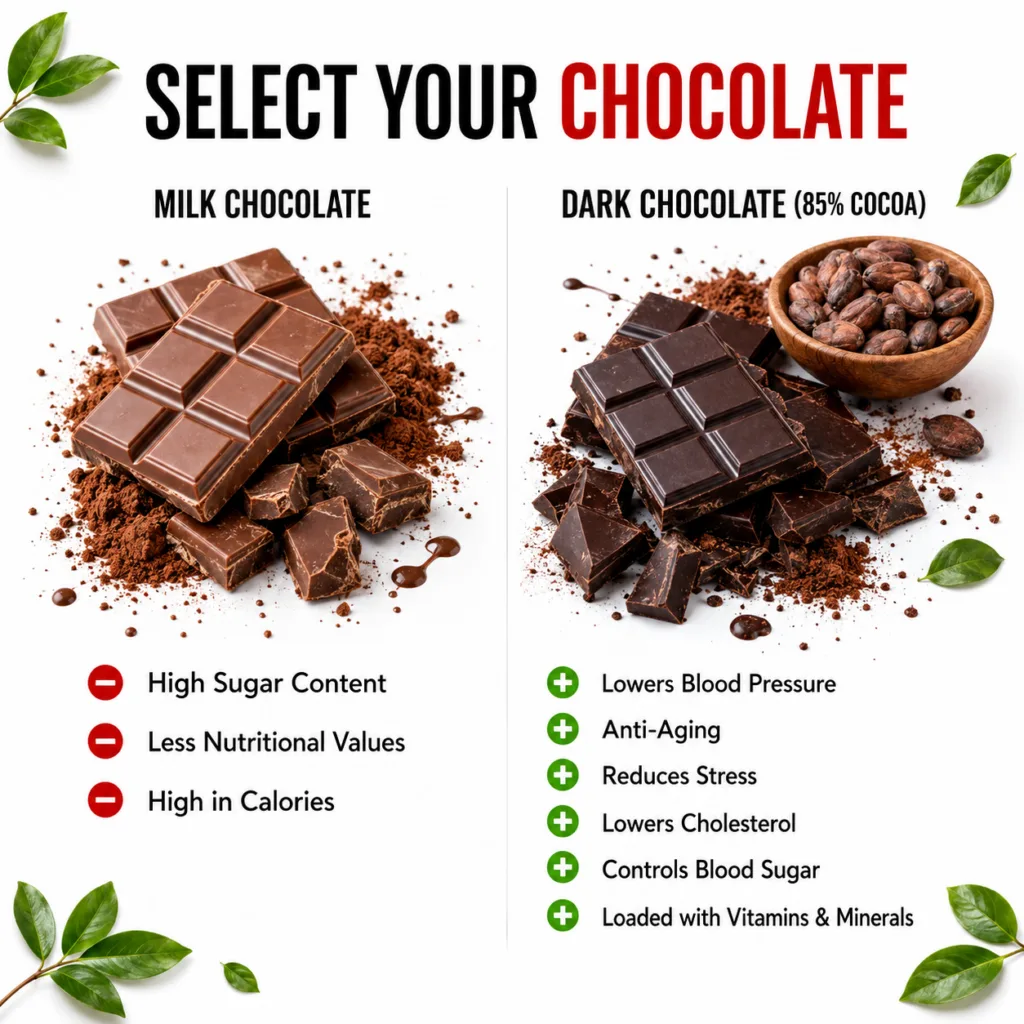
The Sweet Dilemma: Understanding Milk Chocolate’s Drawbacks
Milk chocolate, with its creamy texture and sweet flavor, is often the go-to for many. However, its widespread appeal often overshadows some significant nutritional downsides. When you reach for a milk chocolate bar, you’re typically indulging in:
High Sugar Content
One of the primary reasons milk chocolate isn’t considered a health food is its elevated sugar levels. Sugar is often the first ingredient, contributing to a high caloric count without offering substantial nutritional benefits. Regular consumption of high-sugar foods can lead to energy crashes, weight gain, and may increase the risk of various health issues over time.
Less Nutritional Value
Compared to its darker counterpart, milk chocolate contains a lower percentage of cocoa solids. This means it has fewer of the beneficial compounds found in raw cocoa, such as antioxidants, fiber, and minerals. The addition of milk solids and sugar dilutes the “good stuff,” making it less nutritionally dense.
High in Calories
The combination of sugar, milk fats, and cocoa butter in milk chocolate makes it quite calorie-dense. While enjoyable in moderation, frequent consumption can easily contribute to an excess calorie intake, which may lead to weight gain if not balanced with physical activity.
Embracing the Dark Side: The Health Benefits of 85% Dark Chocolate
In stark contrast, dark chocolate, especially varieties with a high cocoa percentage like 85%, offers a wealth of health benefits that milk chocolate simply can’t match. It’s less sweet and more bitter, a testament to its higher cocoa content and lower sugar. Here’s why 85% dark chocolate can be a truly healthy indulgence:
Supports Heart Health: Lowering Blood Pressure & Cholesterol
Dark chocolate is rich in flavonoids, powerful antioxidants that can support cardiovascular health. These compounds may help improve blood flow and reduce blood pressure by encouraging the production of nitric oxide, which relaxes blood vessels. Additionally, regular consumption of dark chocolate may contribute to lower levels of “bad” LDL cholesterol while potentially increasing “good” HDL cholesterol, further safeguarding your heart.
Anti-Aging Properties
The potent antioxidants in dark chocolate, including flavonoids and polyphenols, combat free radicals in the body. Free radicals are known to cause oxidative stress, which contributes to cell damage and accelerates the aging process. By neutralizing these harmful molecules, dark chocolate may help protect your cells and promote a more youthful appearance from within.
Stress Reduction
Indulging in dark chocolate can have a positive impact on your mood and stress levels. Studies suggest that cocoa can influence neurotransmitters like serotonin, which are known to promote feelings of well-being. The magnesium content in dark chocolate also plays a role in nerve function and relaxation, potentially helping to reduce feelings of stress and anxiety.
Blood Sugar Control
Despite its rich flavor, dark chocolate with a high cocoa percentage generally contains less sugar than milk chocolate. This, combined with its fiber content and beneficial compounds, may help improve insulin sensitivity. For those looking to manage blood sugar levels, incorporating a small amount of high-quality dark chocolate can be a more mindful choice than sugary alternatives.
Rich in Vitamins & Minerals
Dark chocolate is a nutritional powerhouse, packed with essential vitamins and minerals. Just a small serving can provide a significant amount of:
- Iron: Crucial for oxygen transport and energy.
- Magnesium: Important for muscle and nerve function, blood sugar control, and blood pressure regulation.
- Copper: Supports iron absorption and red blood cell formation.
- Manganese: Plays a role in bone formation and metabolism.
- Potassium, Zinc, and Selenium: Other vital micronutrients found in dark chocolate.

Making the Healthier Choice: Tips for Enjoying Dark Chocolate
Transitioning from milk to dark chocolate might take some getting used to, especially if you’re accustomed to sweeter flavors. Here are some tips to help you make the switch and truly enjoy your healthier indulgence:
- Start Gradually: If 85% cocoa seems too intense at first, try a 70% or 75% dark chocolate and gradually work your way up.
- Savor It: Dark chocolate is meant to be savored. Let a small piece melt slowly in your mouth to appreciate its complex flavors.
- Pair Wisely: Enjoy dark chocolate with fruits like berries, a handful of nuts, or a cup of coffee or red wine to enhance its flavors and add more nutritional value.
- Check Ingredients: Always look for dark chocolate with a high cocoa percentage (70% or more) and a minimal ingredient list, ideally with cocoa mass, cocoa butter, and a small amount of sugar.
- Moderation is Key: Even with its benefits, dark chocolate is still calorie-dense. A small square or two (around 1 ounce) per day is often enough to reap the benefits without overdoing it.
Frequently Asked Questions About Chocolate Choices
Is 85% dark chocolate truly good for you?
Yes, 85% dark chocolate is considered very good for you due to its high concentration of beneficial antioxidants, minerals, and lower sugar content compared to milk chocolate. It may support heart health, reduce stress, and offer anti-aging properties.
How much dark chocolate should I eat for health benefits?
Most experts suggest a moderate intake of about 1 ounce (28 grams) of high-quality dark chocolate (70% cocoa or higher) per day to enjoy its health benefits without consuming too many calories.
Can dark chocolate help with weight loss?
While dark chocolate is not a magic bullet for weight loss, its fiber content and ability to improve satiety may help curb cravings for less healthy snacks. Its lower sugar content also makes it a better alternative to milk chocolate for those managing their calorie intake.
What is the best type of dark chocolate to buy?
Look for dark chocolate with a cocoa percentage of 70% or higher. Check the ingredient list to ensure it has minimal additives and ideally organic cocoa beans. Brands that list cocoa mass or cocoa liquor as the first ingredient are typically good choices.