When it comes to fueling your body, protein is a crucial macronutrient. Both beef and kidney beans are excellent sources, offering around 22g of protein per serving. However, their nutritional profiles diverge significantly beyond that, presenting distinct advantages for your health. Understanding these differences can help you make informed choices that align with your dietary goals.
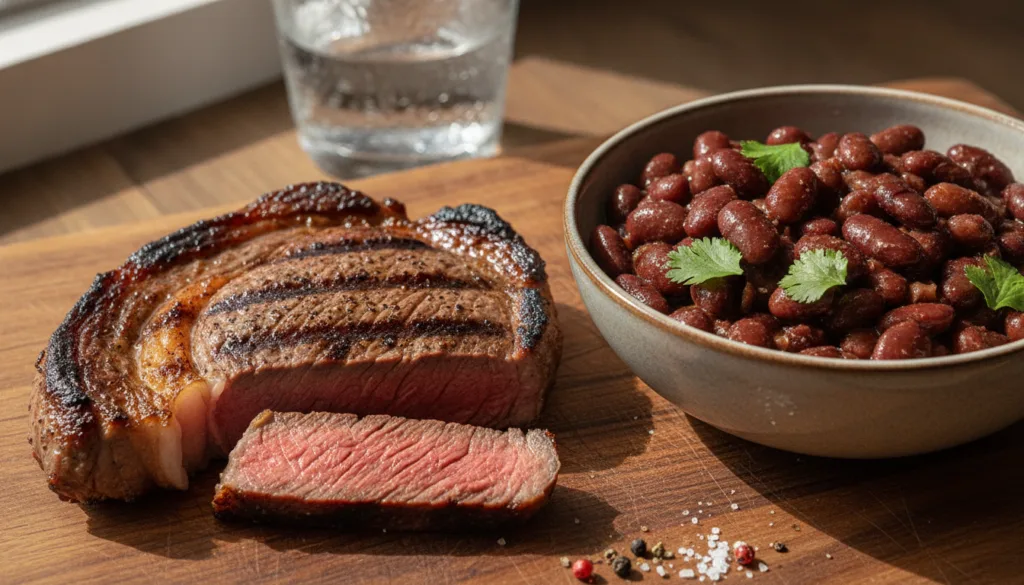
Beef: A Nutrient-Dense Red Meat Protein Source
Beef, a popular red meat, is renowned for its high-quality protein, which contains all nine essential amino acids necessary for muscle growth and repair, making it a complete protein. It’s also an excellent source of heme iron, a form of iron that is readily absorbed by the body, crucial for oxygen transport and preventing iron-deficiency anemia. A typical portion of beef (red meat) providing 22g of protein also offers about 1.9mg of iron, 23mg of magnesium, and 16mg of calcium. However, it typically contains around 74mg of cholesterol and has no dietary fiber.
Kidney Beans: A Plant-Powered, Fiber-Rich Champion
Kidney beans are a superstar in the plant-based nutrition world, offering a robust protein content comparable to beef, but with a vastly different micronutrient lineup. For the same 22g of protein, kidney beans provide a remarkable 15g of dietary fiber. This fiber is incredibly beneficial for digestive health, helping to regulate blood sugar levels, and contributing to a feeling of fullness. Importantly, kidney beans contain 0mg of cholesterol, making them a heart-healthy choice. They are also significantly richer in vital minerals, providing 5mg of iron (non-heme), a substantial 171mg of magnesium, and 123mg of calcium.
Beef vs. Beans: A Nutritional Showdown
Let’s break down the key differences in this beef vs beans nutrition comparison:
- Protein Content: Both offer around 22g, but beef provides a complete protein with heme iron, while beans offer a high-quality plant protein.
- Cholesterol: Beef contains about 74mg of cholesterol, whereas kidney beans have 0mg. This makes beans an excellent choice for those looking to manage cholesterol levels.
- Fiber: This is where beans truly shine, boasting 15g of fiber compared to 0g in beef. Fiber supports gut health, satiety, and blood sugar control.
- Iron: While beef offers readily absorbed heme iron (1.9mg), kidney beans provide more total iron (5mg), albeit in non-heme form, which can be enhanced with Vitamin C intake. This highlights the benefits of both beans fiber cholesterol vs beef iron.
- Magnesium & Calcium: Kidney beans significantly outpace beef in these essential minerals, providing 171mg of magnesium (vs. 23mg in beef) and 123mg of calcium (vs. 16mg in beef).
Choosing between plant protein vs red meat protein involves considering these diverse benefits. Both sources contribute to overall health, but their unique compositions cater to different needs.
Making Informed Choices: Integrating Plant-Based Protein Swaps
Incorporating more plant-based protein options like kidney beans into your diet is a fantastic strategy for boosting fiber intake, reducing dietary cholesterol, and increasing various mineral consumption. For instance, swapping out some of your red meat meals for dishes featuring kidney beans vs steak nutrients can be a simple yet impactful way to enhance your diet.
This doesn’t mean you have to eliminate beef entirely. A balanced approach might include enjoying lean beef in moderation for its heme iron and complete protein, while regularly integrating plant-based alternatives like kidney beans into your meal rotation. Explore delicious vegan recipes that feature beans as a central ingredient for a healthy and varied diet.
Conclusion
Ultimately, both beef and kidney beans are valuable protein sources, each bringing a unique set of nutrients to your plate. While beef offers dense heme iron and complete protein, kidney beans provide an abundance of fiber, 0mg cholesterol, and higher levels of magnesium and calcium. By understanding these nutritional distinctions, you can make smarter food choices that support your journey toward optimal health and well-being. Embrace the diversity of both animal and plant based protein swaps to nourish your body effectively.