Welcome, fellow garden enthusiasts! Have you ever wondered why some of your seeds sprout beautifully, while others struggle or don’t even bother showing up? Often, the secret to a thriving garden begins even before your seeds hit the sunlight – it starts with the soil. Choosing the right soil for your seeds isn’t just a suggestion; it’s a fundamental step that can make all the difference between a sparse patch and a lush, vibrant green space.
Today, we’re diving deep into the world of soil to help you unlock the full potential of your seeds. Understanding what your tiny plant babies need from the very beginning will set them up for a lifetime of health and productivity. Let’s dig in!
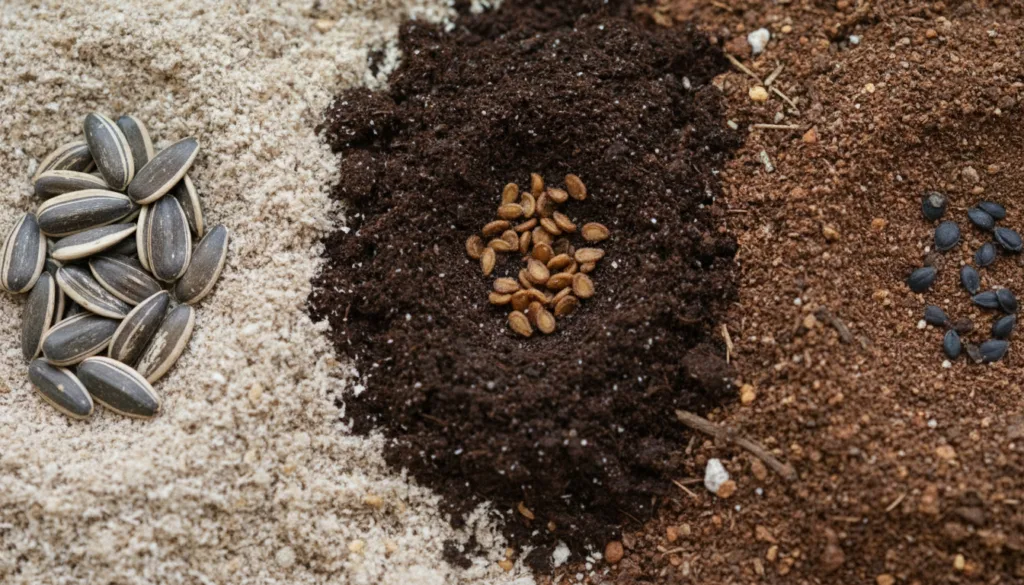
Why Soil Matters So Much for Seeds
Think of soil as the first home for your seeds. Just like a baby needs a specific environment to grow strong, seeds need the right conditions to germinate and establish roots. The soil provides:
- Support: It holds the tiny seed in place and anchors the emerging roots.
- Nutrients: While not immediately crucial for germination, good soil provides essential food as soon as the seedling starts to grow.
- Water Retention: It holds moisture, which is vital for softening the seed coat and activating growth.
- Drainage: Equally important, good soil allows excess water to drain away, preventing rot and fungal diseases.
- Aeration: Air pockets in the soil are crucial for roots to breathe and develop properly.
Understanding Different Soil Types for Seed Starting
Not all soil is created equal, especially when it comes to delicate seeds. Here are the main types you’ll encounter and their best uses:
1. Seed Starting Mix
This is often the gold standard for starting seeds indoors. It’s specifically formulated to provide the ideal environment for germination and early seedling growth. What makes it special?
- Fine Texture: It’s light and fluffy, allowing tiny roots to penetrate easily.
- Sterile: Often peat-based or coir-based, it’s typically free from weed seeds, pests, and disease pathogens that can harm fragile seedlings.
- Excellent Drainage and Moisture Retention: A perfect balance to keep seeds moist without becoming waterlogged.
- Low Nutrient Content: This encourages roots to seek out nutrients, leading to stronger plants, and prevents nutrient burn for young sprouts.
2. Potting Mix
While similar to seed starting mix, potting mix usually has a coarser texture and a higher nutrient content. It’s great for plants that have already germinated and are growing into larger seedlings or for mature potted plants. It generally contains:
- Compost or other organic matter for nutrients.
- Perlite or vermiculite for drainage and aeration.
- Sometimes slow-release fertilizers.
Using potting mix for tiny seeds can sometimes be too rich or too coarse, potentially hindering germination.
3. Garden Soil (Topsoil/Native Soil)
This is the soil from your garden beds. While it’s excellent for established plants outdoors, it’s generally NOT recommended for starting seeds, especially indoors, for several reasons:
- Heavy and Compact: It can be too dense for delicate sprouts.
- Contains Pathogens and Weed Seeds: A common source of diseases and competitive weeds.
- Inconsistent Composition: Nutrient levels and drainage can vary greatly.
If you plan to direct sow seeds outdoors, ensure your garden soil is well-amended with compost to improve its structure and fertility.
Choosing the Right Soil for Your Seeds
The best choice largely depends on where and what you’re planting:
- For Indoor Seed Starting: Always opt for a high-quality seed starting mix. This provides the cleanest, most hospitable environment for delicate germination.
- For Transplanting Seedlings: Once your seedlings have developed a few sets of true leaves and are ready for larger pots, you can transition them to a good potting mix.
- For Direct Sowing Outdoors: For seeds planted directly into your garden beds, ensure your garden soil is well-prepared. Incorporate plenty of organic compost to improve drainage, aeration, and fertility. Consider a soil test to understand its composition.
Tips for Success Beyond Just Soil
- Moisture Control: Keep seed starting mix consistently moist but never soggy. Use a spray bottle or bottom watering for delicate seedlings.
- Temperature: Many seeds require specific temperatures to germinate. A heat mat can be beneficial for consistent warmth.
- Light: Once seeds sprout, they need ample light to prevent them from becoming leggy. Grow lights are often essential for indoor starts.
- Containers: Use clean containers with good drainage holes. Seed trays, small pots, or even repurposed containers can work.
Conclusion: Nurture Your Seeds from the Ground Up!
Choosing the right soil is a simple yet profoundly impactful step in your gardening journey. By providing your seeds with the perfect foundation, you’re not just planting; you’re nurturing future growth, vibrant blooms, and bountiful harvests. So, the next time you’re ready to sow, remember to match the right soil to your seeds, and watch your garden flourish!
What’s your go-to soil for starting seeds? Share your tips in the comments below!