Every gardener dreams of a thriving, bountiful harvest. But sometimes, nature throws us curveballs – unexpected frosts, scorching sun, relentless pests, or stubborn weeds. This is where garden covers become your best friend, offering a simple yet incredibly effective solution to protect your precious crops and unlock your garden’s full potential.
Choosing the right cover can make all the difference, transforming a struggling patch into a flourishing paradise. Let’s dive into the world of garden covers and discover how they can help you achieve the garden of your dreams.
Why Garden Covers Are Essential for a Thriving Garden
Garden covers are more than just a physical barrier; they are a multi-functional tool for successful gardening. Here’s why they are indispensable:
- Pest Protection: They act as a physical barrier against common garden pests like aphids, cabbage worms, squash bugs, and even larger animals such as rabbits and birds, preventing them from damaging your plants without the need for harsh chemicals.
- Weather Shield: Covers protect delicate plants from unpredictable weather extremes. They can guard against early and late frosts, intense heat, hail, heavy rain, and strong winds.
- Weed Suppression: Opaque covers or mulches can block sunlight, effectively suppressing weed growth and reducing your weeding chores significantly.
- Moisture Retention: Some covers, especially mulches, help to retain soil moisture, reducing the need for frequent watering and conserving precious water resources.
- Soil Health: Certain covers enrich the soil as they decompose (like organic mulches) or protect it from erosion and compaction caused by heavy rain.
Understanding Different Types of Garden Covers
To choose the best cover, it’s important to understand the options available and what each one excels at.
1. Floating Row Covers
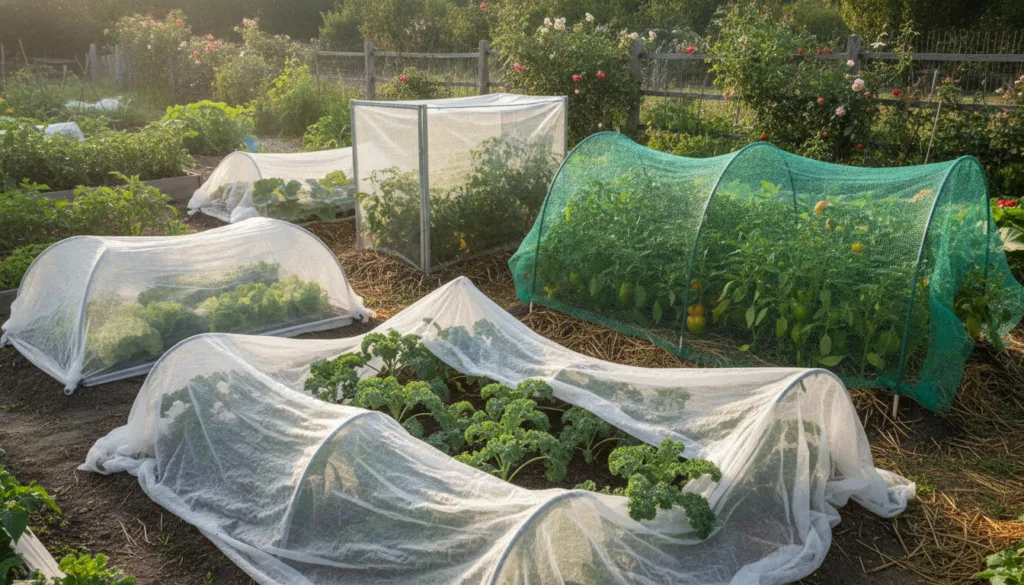
These lightweight, breathable fabrics are perhaps the most versatile. They can be laid directly over plants or supported by hoops, creating a mini-tunnel.
- Benefits: Excellent for pest exclusion (insects and larger animals), frost protection (raising temperatures by a few degrees), and some wind protection. They allow light, water, and air to pass through.
- Best for: Protecting young seedlings, leafy greens, brassicas, and berries from early pests and cold snaps.
2. Cloches
Cloches are individual protective covers, often dome-shaped or bell-shaped, made from glass, plastic, or even recycled bottles.
- Benefits: Ideal for protecting single plants or small clusters from frost, strong winds, and early pests. They create a mini-greenhouse effect.
- Best for: Early season tomatoes, peppers, melons, or delicate herbs.
3. Shade Cloths
Made from woven material, shade cloths block a percentage of sunlight, reducing heat and sun stress.
- Benefits: Protects plants from scorching sun and excessive heat, reducing water evaporation and preventing leaf burn.
- Best for: Heat-sensitive plants (like some lettuces or impatiens) in hot climates, or extending the growing season of cool-weather crops into warmer months.
4. Mulch (Organic & Inorganic)
While often thought of as soil amendment, mulch also acts as an excellent ground cover.
- Organic Mulches (straw, wood chips, shredded leaves, compost): Suppress weeds, retain soil moisture, regulate soil temperature, and enrich the soil as they decompose.
- Inorganic Mulches (black plastic, landscape fabric): Primarily for weed control and warming the soil (black plastic). They don’t add nutrients but are long-lasting.
- Best for: Almost all garden beds for moisture retention, weed suppression, and soil temperature regulation.
5. Cold Frames and Mini Greenhouses
These are more robust structures that provide significant protection and extend the growing season.
- Benefits: Offer substantial frost protection, allow for early starts in spring and late harvests in fall, and can be used for hardening off seedlings.
- Best for: Season extension, starting seeds, and protecting tender plants through colder periods.
Choosing the Right Cover for Your Garden’s Specific Needs
When selecting a garden cover, consider these factors:
- Identify Your Main Challenge: Are you fighting pests, frost, heat, or weeds? This will dictate the type of cover needed.
- Plant Type: Delicate seedlings need different protection than established shrubs.
- Season and Climate: A cold frame is great for winter, while shade cloth is essential for summer in hot regions.
- Ease of Use: Do you need something easy to apply and remove, or a more permanent solution?
- Budget: Options range from free (repurposed materials) to more significant investments (cold frames).
For example, if aphids are attacking your leafy greens, a fine mesh floating row cover is ideal. If you’re starting tomatoes early in a cool climate, cloches or a cold frame would be perfect. And for overall soil health and weed control, a good layer of organic mulch is always a winner!
Installation and Maintenance Tips
- Secure Covers Properly: Ensure row covers are firmly anchored to prevent pests from crawling underneath and to withstand wind.
- Monitor Temperature: Especially with cloches or plastic covers, check daily to prevent overheating on sunny days. Vent as needed.
- Watering: Most permeable covers allow water through, but check soil moisture regularly. Inorganic mulches might require different watering strategies.
- Remove for Pollination: If your plants require insect pollination (like squash or tomatoes), you’ll need to temporarily remove row covers during flowering times.
- Clean and Store: At the end of the season, clean your covers (especially row covers and cloches) and store them properly to extend their lifespan.
Cultivate Success with the Right Protection
Implementing garden covers is a simple yet powerful way to elevate your gardening game. By understanding the different types and how to use them, you can safeguard your plants from common threats, extend your growing seasons, and ultimately enjoy a more abundant and rewarding harvest. So go ahead, explore the possibilities, and give your garden the protection it deserves!