Gardening Gone Wrong: Unexpected Natural Fertilizer Mistakes
Welcome, fellow garden enthusiasts! We all strive for lush, vibrant gardens, bursting with life. A key ingredient in achieving this dream is healthy soil, and natural fertilizers play a huge role in nurturing it. However, even with the best intentions, it’s surprisingly easy to make mistakes that can hinder your plants’ growth rather than help it. Today, we’re diving into common, unexpected natural fertilizer blunders and how to avoid them, ensuring your garden thrives naturally.
Why Choose Natural Fertilizers?
Before we pinpoint the mistakes, let’s briefly recap why many of us opt for natural fertilizers. They enrich the soil structure, promote microbial activity, release nutrients slowly over time, and are generally safer for the environment, pets, and beneficial insects. Think compost, worm castings, bone meal, blood meal, and various organic amendments. They’re fantastic when used correctly!
Common Natural Fertilizer Mistakes and How to Avoid Them
1. Over-Fertilizing: Too Much of a Good Thing
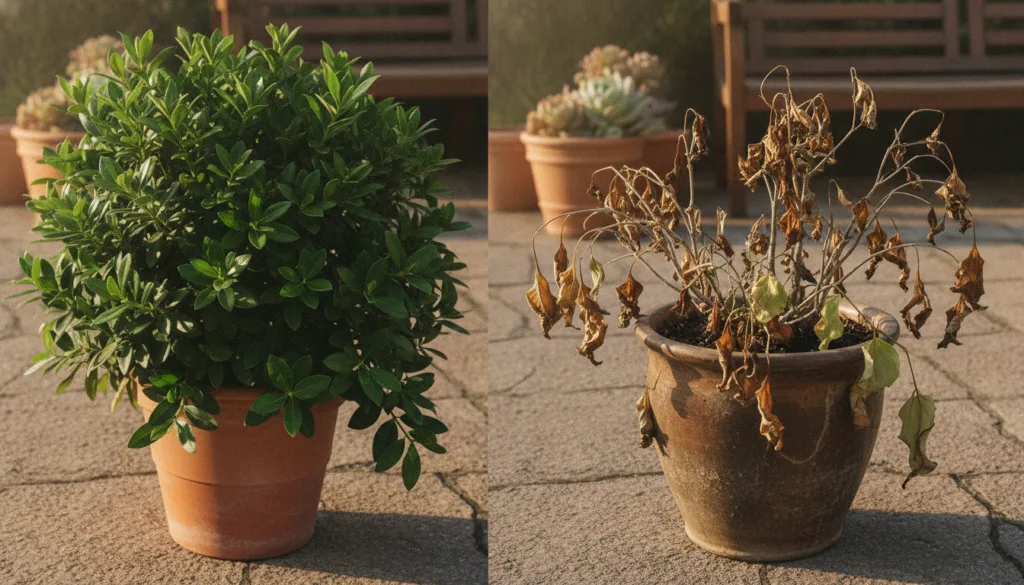
This is perhaps the most common mistake. You might think more fertilizer equals more growth, but for natural fertilizers, this isn’t always the case. Excess nutrients, even organic ones, can lead to:
- Nutrient Burn: The most visible sign, where leaves turn yellow or brown and appear scorched.
- Stunted Growth: High salt levels from too much fertilizer can prevent roots from absorbing water and nutrients.
- Environmental Runoff: Excess nutrients can leach into groundwater or waterways, causing harm.
How to Avoid: Always follow package instructions. When in doubt, start with less and observe your plants. Remember, slow and steady wins the race with natural amendments.
2. Under-Fertilizing: Not Enough Fuel
While over-fertilizing is common, some gardeners, fearing the former, might go too far in the other direction. Plants need consistent nutrients to grow. Signs of under-fertilizing include:
- Pale or yellowing leaves (chlorosis).
- Slow or stunted growth.
- Poor flowering or fruiting.
- Weak stems.
How to Avoid: Understand your plants’ specific needs. Heavy feeders like vegetables might need more frequent applications than ornamentals. Regular soil testing (more on that below!) can reveal deficiencies.
3. Using the Wrong Type for Your Plant or Soil
Not all natural fertilizers are created equal. Different plants have different nutrient requirements, and your soil already has a unique composition.
- High Nitrogen: Great for leafy greens and vigorous vegetative growth (e.g., blood meal, composted manure).
- High Phosphorus: Essential for root development, flowering, and fruiting (e.g., bone meal, rock phosphate).
- High Potassium: Important for overall plant health, disease resistance, and fruit quality (e.g., kelp meal, wood ash).
How to Avoid: Research your plants’ specific needs and what your soil is lacking. A general-purpose balanced organic fertilizer (like good compost) is often a safe bet for many plants, but tailoring your approach will yield better results.
4. Incorrect Application Methods
Just sprinkling fertilizer on top of the soil isn’t always effective. How you apply it matters for nutrient availability and root absorption.
- Surface Application: Some nutrients need to be worked into the soil to reach the root zone.
- Liquid vs. Granular: Liquid feeds offer quick absorption but might need more frequent application. Granular forms break down slower.
How to Avoid: Incorporate granular fertilizers into the top few inches of soil. For liquid feeds, ensure even distribution. Avoid direct contact with plant stems or leaves as this can cause burn.
5. Applying at the Wrong Time
Timing is everything in gardening. Fertilizing at the wrong time can be ineffective or even harmful.
- During Dormancy: Fertilizing plants when they are dormant (e.g., in winter) can stress them or simply waste nutrients.
- Before Rain: Applying granular fertilizers right before heavy rain can lead to runoff and nutrient loss.
- During Heatwaves: Fertilizing during extreme heat can stress plants and increase the risk of burn.
How to Avoid: Fertilize actively growing plants. Most plants benefit from feeding in spring and early summer. Check weather forecasts before applying, especially for granular forms.
6. Neglecting Soil Testing
This is perhaps the most fundamental mistake. Without knowing what’s in your soil, you’re essentially guessing what to add. Soil pH, nutrient levels, and organic matter content all impact how plants absorb nutrients.
How to Avoid: Invest in a simple home soil test kit or send a sample to your local extension office. This will give you invaluable information about your soil’s composition and what amendments it truly needs, saving you money and preventing problems.
Keys to Natural Fertilizer Success
- Know Your Plants: Research the specific needs of each plant in your garden.
- Test Your Soil: This is your garden’s report card!
- Read the Label: Even for natural products, instructions are crucial.
- Start Small: It’s easier to add more than to remove excess.
- Observe: Your plants will tell you what they need through their leaves, growth, and overall vigor.
By understanding these common pitfalls and making a few conscious adjustments, you can avoid fertilizer mistakes and unlock the full potential of your natural gardening efforts. Your plants, your soil, and the environment will thank you!
What are your go-to natural fertilizers or your biggest lessons learned? Share your tips and experiences in the comments below!