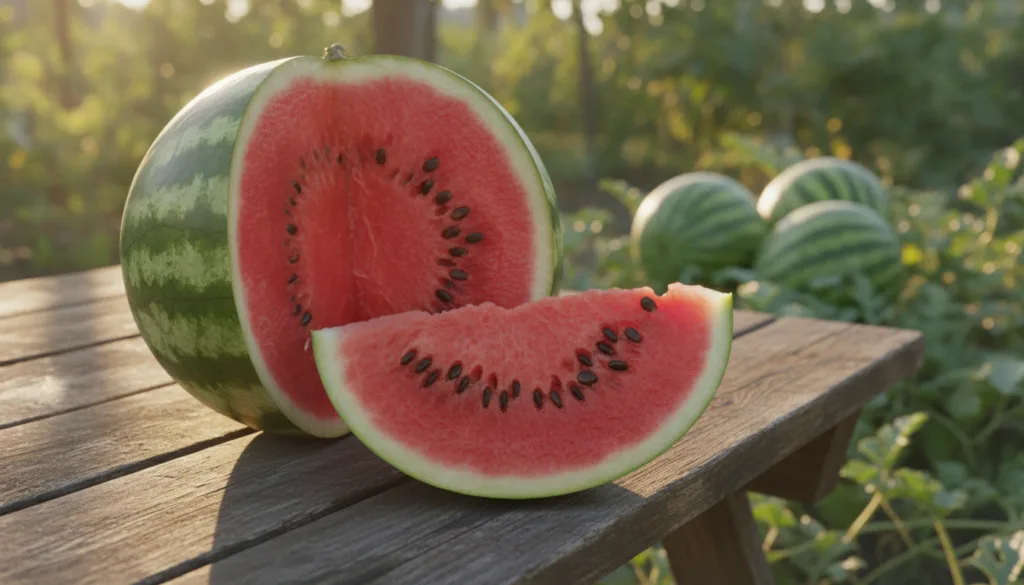
Imagine biting into a juicy, sweet watermelon, perfectly ripe and bursting with flavor. Now, imagine that watermelon came straight from your very own backyard! Growing watermelons might seem like a challenge, but with a few simple steps and a little love, you can enjoy a bountiful harvest right from your garden. At Garden – L. Quyên, we believe everyone can experience the joy of home-grown goodness, and watermelons are no exception!
Choosing the Right Watermelon Variety
The first step to success is selecting the right watermelon variety for your climate and space. There are many types, from personal-sized ‘Sugar Baby’ to large ‘Crimson Sweet’ and even seedless varieties. Consider these factors:
- Size: Do you have a small garden or a sprawling plot? Some varieties grow large, needing ample space, while others are more compact.
- Maturity Time: Watermelons typically need 70-90 days to mature. Choose a variety that suits the length of your growing season.
- Seedless vs. Seeded: Seedless varieties require a seeded pollinator plant nearby.
Research local favorites or ask at your local nursery for recommendations.
Site Selection and Soil Preparation
Sun, Glorious Sun!
Watermelons are sun-loving plants and need at least 6-8 hours of direct sunlight per day to thrive and develop that signature sweetness. Choose the sunniest spot in your garden.
The Perfect Soil Blend
These thirsty fruits prefer well-drained, sandy loam soil that’s rich in organic matter. A slightly acidic to neutral pH (6.0 to 7.0) is ideal. Here’s how to prepare your soil:
- Amend the Soil: Mix in plenty of compost or well-rotted manure to improve fertility and drainage.
- Raise Beds: If your soil is heavy clay, consider planting in raised beds or creating hills to ensure good drainage and allow the soil to warm up faster.
Planting Your Watermelons
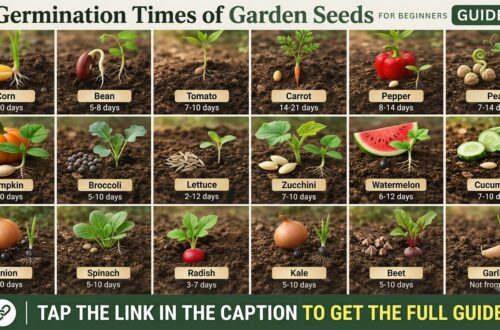
Timing is everything when planting watermelons. They are heat-loving plants, so wait until all danger of frost has passed and soil temperatures are consistently above 65°F (18°C).
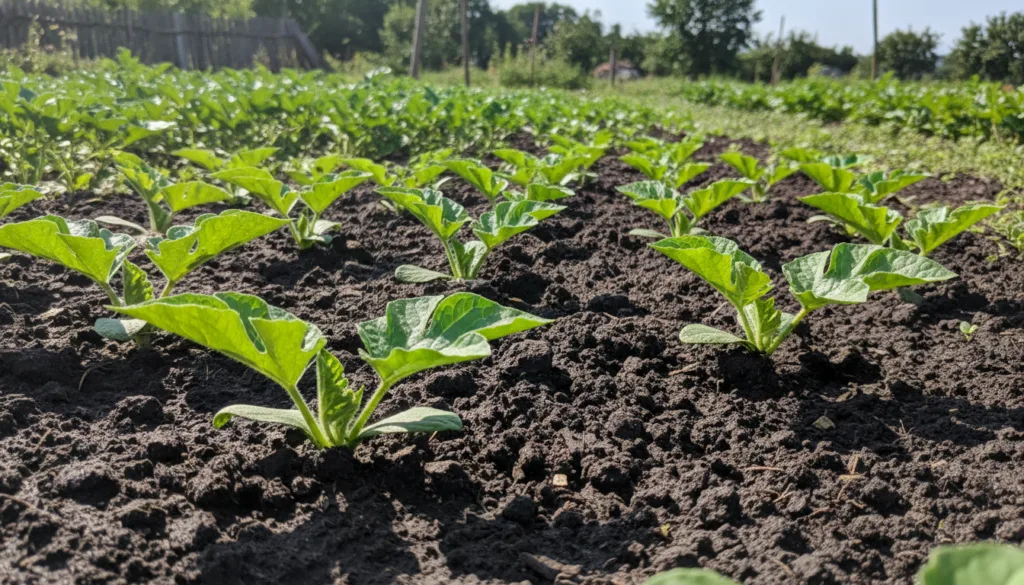
- Direct Sowing: Plant seeds 1 inch deep, 3-5 seeds per hill, with hills spaced 4-6 feet apart. Once seedlings emerge, thin to the strongest 1-2 plants per hill.
- Transplanting: If you have a shorter growing season, you can start seeds indoors 3-4 weeks before the last frost. Be careful not to disturb the roots when transplanting.
Watering and Fertilizing for Sweet Success
Consistent Hydration
Watermelons need consistent moisture, especially during flowering and fruit development. Aim for 1-2 inches of water per week, either from rain or irrigation. Water deeply and regularly, particularly during dry spells. Avoid overhead watering late in the day to minimize fungal diseases.
Feeding Your Fruits
Watermelons are heavy feeders. Start with a balanced fertilizer when planting, then switch to a fertilizer higher in phosphorus and potassium once fruits begin to set. Avoid excessive nitrogen, which can lead to lush foliage but fewer fruits.
Pest and Disease Management
Keep a watchful eye for common pests like aphids, squash bugs, and cucumber beetles. Use organic pest control methods such as neem oil, insecticidal soap, or hand-picking. Proper spacing and good air circulation can help prevent fungal diseases like powdery mildew.
Pollination and Fruit Set
Watermelons rely on bees for pollination. If you notice a lack of bees or poor fruit set, you might try hand-pollination. Gently transfer pollen from male flowers (which have a slender stem) to female flowers (which have a tiny fruit at their base) using a small paintbrush.
Training and Support (Optional)
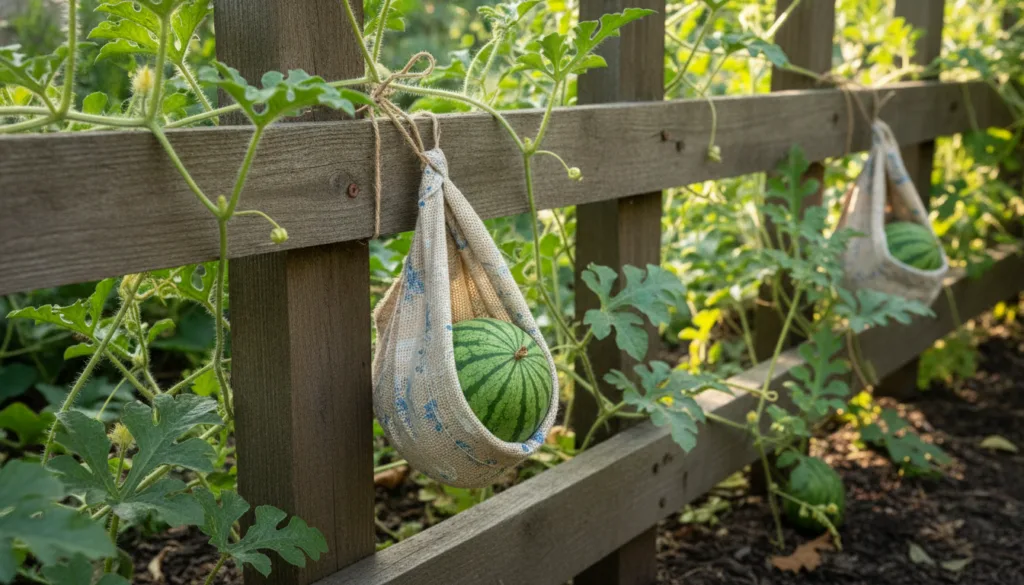
If you’re short on space, you can train watermelon vines to grow vertically on a sturdy trellis. Support the developing fruits with slings made from old pantyhose or fabric to prevent them from breaking off the vine.
Harvesting Your Backyard Treasure
Knowing when to harvest a watermelon is key to enjoying its peak sweetness. Here are some signs:
- Tapping Test: A ripe watermelon will produce a dull, hollow thud when tapped. Unripe ones will sound metallic.
- Ground Spot: The spot where the watermelon rests on the ground should turn from white or pale green to a creamy yellow or orange.
- Tendril Test: The tendril (curly vine) closest to the fruit stem will dry and turn brown when the melon is ripe.
- Skin Appearance: The skin should look dull, not shiny.
Don’t rush the harvest! A few extra days can make a big difference in sweetness.
Tips for the Sweetest Watermelons
- Plenty of Sun: As mentioned, sun is crucial for sugar development.
- Consistent Water: Avoid dry spells followed by heavy watering, which can lead to cracking.
- Good Air Circulation: Prevents diseases that can stress the plant.
- Warm Temperatures: Watermelons love the heat!
Enjoy Your Homegrown Harvest!
Growing your own watermelon is an incredibly rewarding experience. The taste of a homegrown, sun-ripened watermelon is unmatched, and the pride you’ll feel is priceless. Follow these simple steps from Garden – L. Quyên, and you’ll be well on your way to enjoying sweet, juicy watermelons all summer long. Happy gardening!