There’s nothing quite like stepping into your garden and harvesting fresh, delicious vegetables you’ve grown yourself. And when it comes to easy-to-grow, bountiful crops, zucchini often tops the list! If you’ve been dreaming of enjoying homegrown zucchini all summer long, you’re in the right place. We’ll guide you through everything you need to know to cultivate a thriving zucchini patch.
Why Grow Zucchini?
Zucchini is a fantastic choice for both seasoned gardeners and beginners alike. It’s incredibly versatile in the kitchen, delicious in everything from stir-fries to bread, and known for its prolific production. Plus, growing your own means you get to enjoy fresh, organic produce right from your backyard!
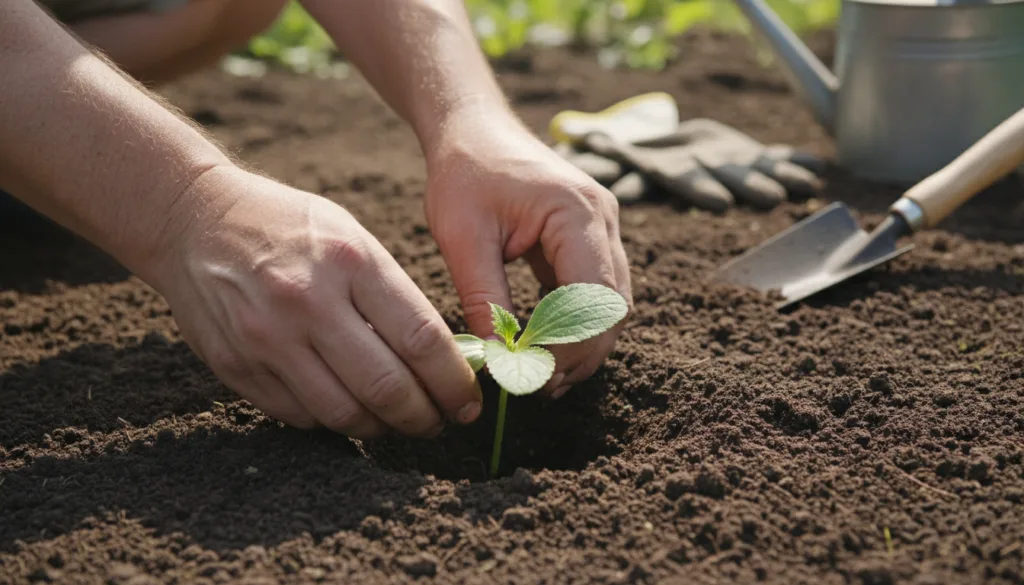
1. Choosing the Right Spot and Soil
Sunlight is Key
Zucchini plants are sun-worshippers! They need at least 6-8 hours of direct sunlight per day to thrive and produce abundantly. Choose a sunny spot in your garden that receives plenty of light throughout the day.
Soil Preparation
These vigorous growers prefer rich, well-draining soil. Before planting, amend your garden bed with plenty of organic matter like compost or aged manure. This will improve soil fertility and drainage, providing the perfect foundation for healthy zucchini plants. Aim for a slightly acidic to neutral soil pH (6.0-7.0).
2. Planting Your Zucchini
When to Plant
Zucchini is a warm-season crop, so wait until all danger of frost has passed and the soil has warmed up (typically late spring or early summer). You can sow seeds directly into the garden or start them indoors 3-4 weeks before your last frost date.
Spacing Matters
Zucchini plants can get quite large, so adequate spacing is crucial for good air circulation and plant health. If planting in rows, space plants 2-3 feet apart, with rows 3-4 feet apart. For ‘hill’ planting, plant 2-3 seeds per hill, then thin to the strongest single plant once they are a few inches tall. Space hills 3-4 feet apart.
3. Essential Care for Abundant Harvests
Watering
Consistent moisture is vital, especially when plants are flowering and setting fruit. Water deeply and regularly, aiming for the base of the plant to keep foliage dry, which helps prevent fungal diseases. About 1 inch of water per week, either from rain or irrigation, is a good general guideline.
Fertilizing
If your soil was well-amended at planting, your zucchini might not need much additional fertilizer. However, a balanced organic fertilizer applied once plants start flowering can give them a boost. Avoid high-nitrogen fertilizers, which can encourage leafy growth at the expense of fruit production.
Pest and Disease Management
Keep an eye out for common zucchini pests like squash bugs and cucumber beetles. Hand-picking can be effective for small infestations. For diseases like powdery mildew, ensure good air circulation, avoid overhead watering, and consider organic fungicidal sprays if necessary. Healthy plants are your best defense!
4. Harvesting Your Zucchini
When to Pick
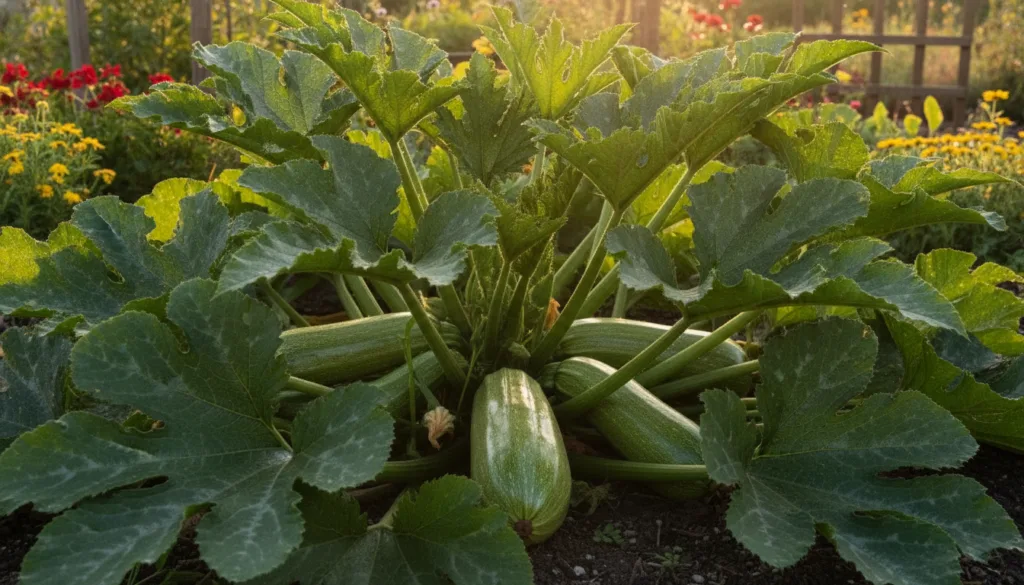
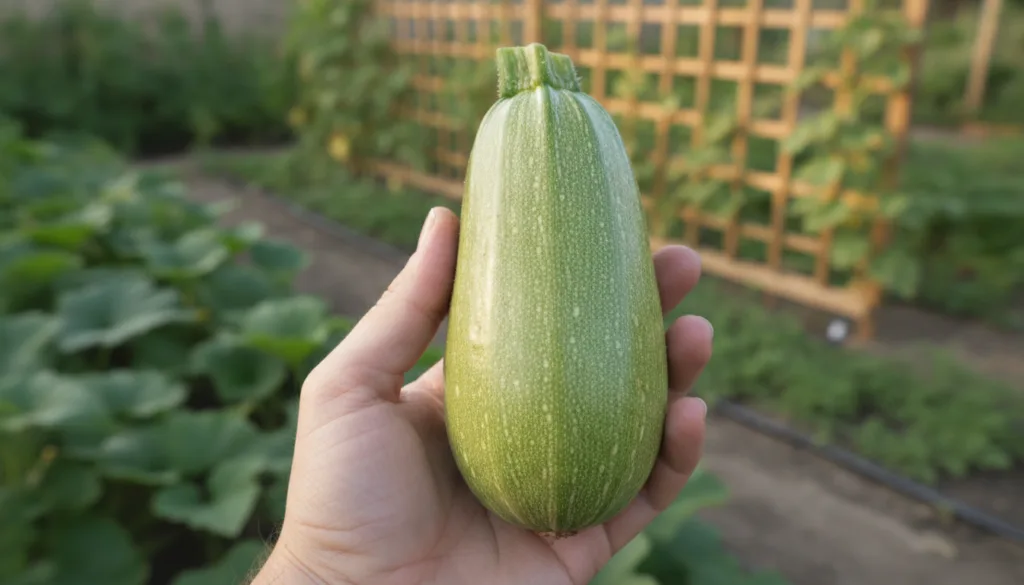
The best time to harvest zucchini is when the fruits are young and tender, typically 6-8 inches long. Smaller zucchinis are more flavorful and have a better texture. Don’t wait too long, or they can become tough, seedy, and watery.
How to Harvest
Use a sharp knife or pruning shears to cut the zucchini from the plant, leaving about an inch of stem attached. Be careful not to damage the plant. Check your plants daily once they start producing, as zucchini can grow surprisingly fast!
Enjoy Your Homegrown Zucchini!
Growing zucchini is an incredibly rewarding experience that adds fresh, delicious flavor to your summer meals. With a little sunshine, good soil, and consistent care, you’ll be enjoying a bountiful harvest in no time.
Have you grown zucchini before? Share your favorite tips or recipes in the comments below! We’d love to hear about your gardening success.