Is your hair feeling a bit thinner than usual? Many of us aspire to have strong, luscious locks, but sometimes our hair health can feel out of our control. While genetics and styling habits play a role, your diet might be sending a crucial message about your hair’s vitality. The foods you choose to eat daily can significantly impact whether your hair thrives or struggles.
Understanding the connection between nutrition and hair growth is key to unlocking your hair’s full potential. Just as a garden needs the right nutrients to flourish, your hair follicles depend on specific vitamins, minerals, and proteins to produce strong, healthy strands. On the flip side, certain dietary choices can inadvertently contribute to hair thinning or shedding.
In this guide, we’ll explore the essential hair growth foods that nourish your scalp and follicles, promoting thicker, stronger hair. We’ll also highlight foods you might want to limit to support your hair’s natural growth cycle, helping you make informed choices for a healthier head of hair.
Foods That Fuel Healthy Hair Growth
A balanced diet rich in specific nutrients is fundamental for vibrant hair. These foods provide the building blocks and support systems your hair needs to grow strong and resist damage.
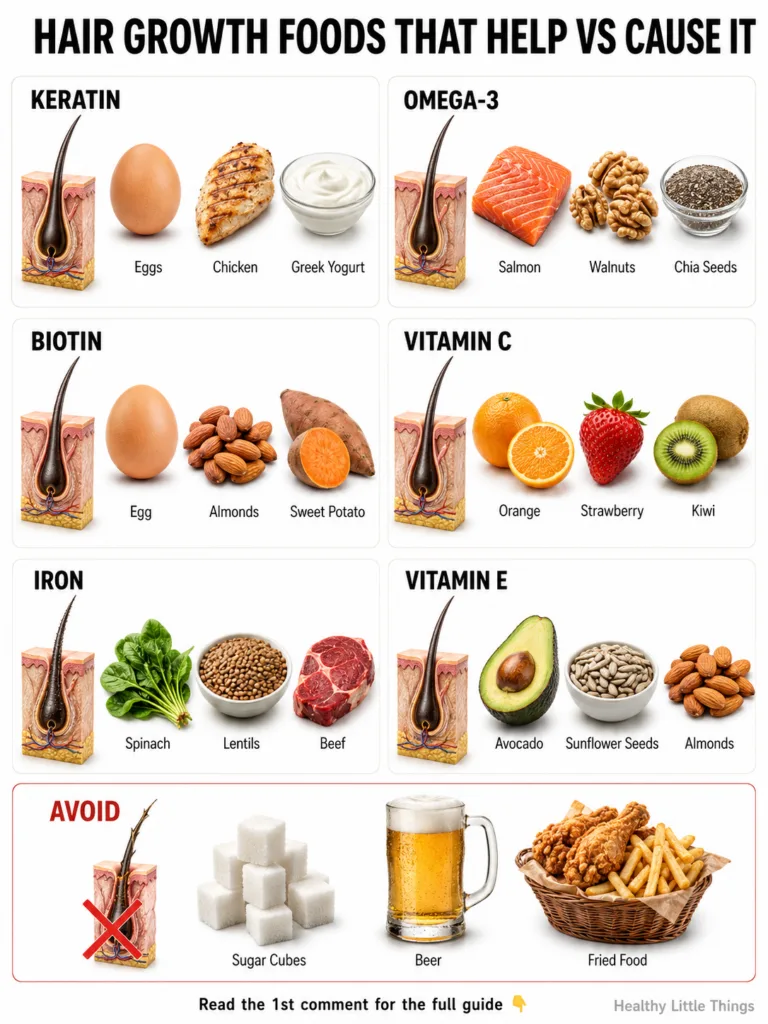
Keratin-Rich Foods for Strength
Keratin is the primary protein that makes up your hair strands. Consuming foods rich in protein and amino acids helps your body produce enough keratin, which is crucial for hair strength and elasticity.
- Eggs: An excellent source of protein and biotin, eggs provide the necessary amino acids to build keratin. They are also a fantastic high protein breakfast option.
- Chicken: Lean protein from chicken offers a complete amino acid profile, directly supporting keratin production.
- Greek Yogurt: Packed with protein and vitamin B5 (pantothenic acid), Greek yogurt supports blood flow to the scalp and hair growth.
Omega-3 Fatty Acids for Scalp Health
Omega-3 fatty acids are vital for maintaining a healthy scalp and hair follicle membranes. They help keep your hair hydrated and can reduce inflammation.
- Salmon: Rich in Omega-3s and Vitamin D, salmon can contribute to a healthier scalp environment.
- Walnuts: These nuts are a great plant-based source of Omega-3s, along with biotin and vitamin E.
- Chia Seeds: Beyond their fiber content, chia seeds are a fantastic source of plant-based Omega-3s, helping to strengthen hair. They are versatile and can be added to many healthy breakfast ideas.
Biotin for Hair Vitality
Biotin, a B vitamin, is often linked to hair health. It plays a role in the production of keratin and can help improve hair’s strength and texture.
- Almonds: These delicious nuts offer biotin, vitamin E, and magnesium, all beneficial for hair.
- Sweet Potato: Loaded with beta-carotene, which the body converts to vitamin A, sweet potatoes support cell growth, including hair cells.
- Orange: Oranges provide biotin and vitamin C. Biotin supports keratin infrastructure, while Vitamin C is essential for collagen production.
Vitamin C for Collagen Production
Vitamin C is a powerful antioxidant essential for collagen production, a protein that’s part of the hair structure, and helps absorb iron, another crucial nutrient for hair.
- Strawberry: High in vitamin C, strawberries help protect hair follicles from damage.
- Kiwi: Another vitamin C powerhouse, kiwis contribute to collagen synthesis and overall hair health.
- Orange: As mentioned, oranges are rich in vitamin C, boosting collagen and aiding iron absorption.
Iron for Oxygen Delivery
Iron is critical for healthy hair growth because it helps red blood cells carry oxygen to your hair follicles. A deficiency can lead to hair loss.
- Spinach: A leafy green vegetable packed with iron, vitamin A, and vitamin C.
- Lentils: Plant-based iron sources like lentils are excellent, especially for those following vegetarian diets.
- Beef: Red meat like beef provides highly bioavailable iron, making it easier for the body to absorb.
Vitamin E for Antioxidant Protection
Vitamin E is a potent antioxidant that can help reduce oxidative stress in the scalp, promoting a healthy environment for hair growth.
- Avocado: Rich in vitamin E, healthy fats, and biotin, avocados can contribute to a healthy scalp.
- Sunflower Seeds: These seeds are an excellent source of vitamin E and zinc, both important for hair health.
- Almonds: In addition to biotin, almonds also provide a good amount of vitamin E, offering dual benefits for your hair.
Foods to Limit for Stronger Hair
While nourishing your body with beneficial foods is essential, being mindful of what you consume less of can also significantly impact your hair’s well-being. Certain foods can interfere with nutrient absorption or create an environment less conducive to healthy hair growth.
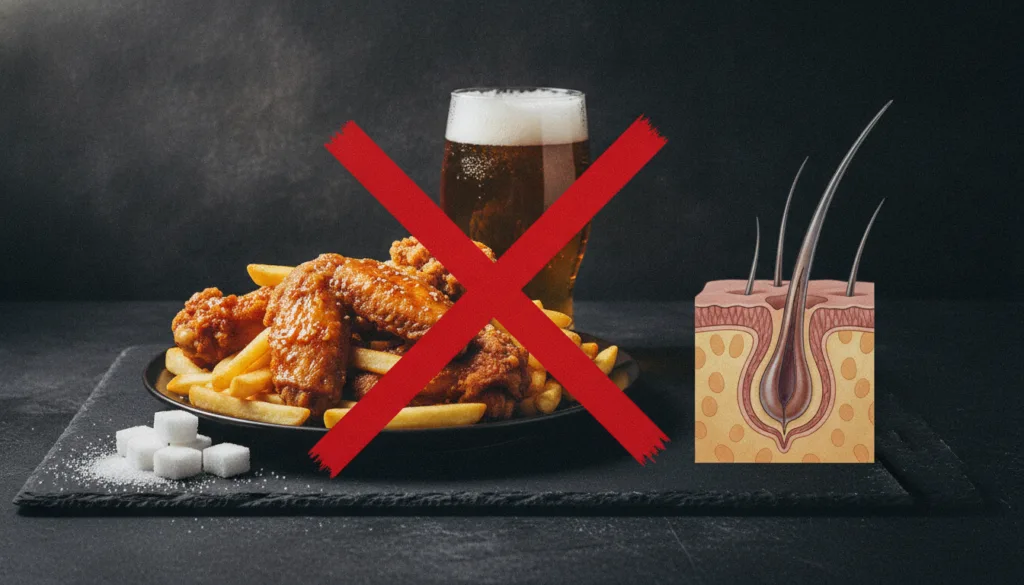
Sugar and Processed Foods
High sugar intake can lead to inflammation and disrupt hormone balance, potentially impacting hair follicles. Processed foods often lack the essential nutrients needed for hair health.
- Sugary Treats: Excessive sugar can contribute to inflammation and may hinder the absorption of vital nutrients for hair.
- Processed Snacks: These often contain unhealthy fats and artificial ingredients, offering little nutritional value to your hair.
Excessive Alcohol
While an occasional drink may be fine, excessive alcohol consumption can dehydrate the body and interfere with the absorption of essential vitamins and minerals, including iron and zinc, which are crucial for hair growth.
- Beer and Spirits: Overconsumption can lead to nutritional deficiencies that negatively affect hair health.
Fried Foods and Unhealthy Fats
Foods high in unhealthy fats, especially trans fats, can contribute to inflammation throughout the body, including the scalp, which can impede healthy hair growth.
- Fried Foods: These can contribute to inflammation and oxidative stress, potentially weakening hair follicles.
- High-Fat Processed Meats: Often high in saturated and unhealthy fats, these can contribute to overall poor health, impacting hair indirectly.