Your body is an incredibly sophisticated system, constantly sending you signals about its needs. One of the most crucial messages it communicates is when it’s low on water. Dehydration can sneak up on you, impacting everything from your energy levels to your cognitive function and physical comfort. Learning to recognize these critical dehydration signals quickly can help you protect your overall health and well-being.
Ignoring your body’s pleas for water can lead to a cascade of uncomfortable symptoms and, if left unaddressed, more serious health issues. Staying properly hydrated isn’t just about quenching thirst; it’s about optimizing every bodily process, from nutrient absorption to waste elimination. In this article, we’ll explore the key signs your body uses to tell you it’s running on empty and simple ways to rehydrate effectively.
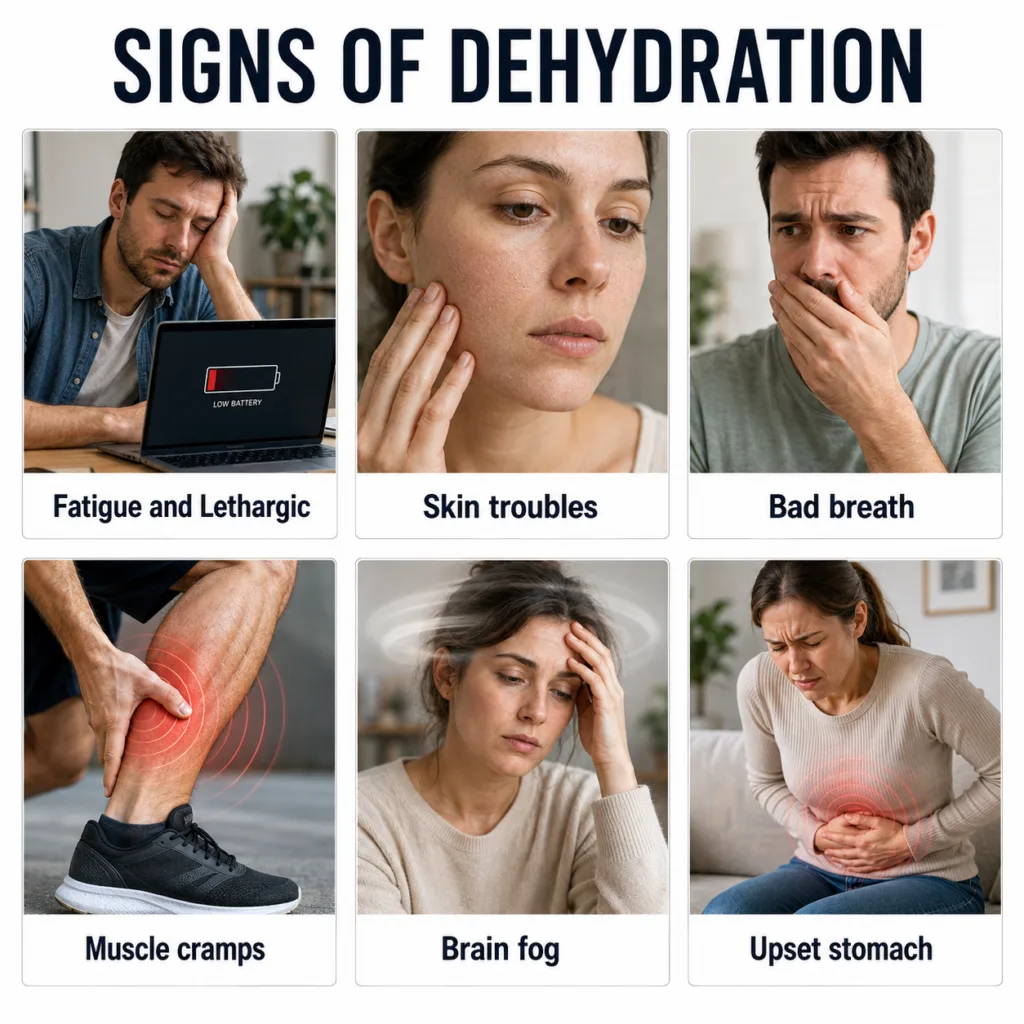
The Silent Warning Signs: Six Key Dehydration Indicators
Understanding what to look for can empower you to take swift action. Here are the most common and critical signals your body sends when it’s craving water:
1. Fatigue and Lethargy: When Your Energy Dips
Feeling unusually tired, even after a full night’s sleep, or experiencing a general lack of energy throughout the day can be a significant sign of dehydration. Water plays a vital role in transporting oxygen and nutrients to your cells and regulating body temperature. When you’re dehydrated, your blood volume decreases, making your heart work harder to pump blood. This reduced efficiency can leave you feeling drained and lethargic.
- Why it happens: Reduced blood volume means less efficient oxygen delivery to muscles and organs.
- What to do: Increase your daily water intake, especially between meals. Consider carrying a reusable water bottle to remind you to sip regularly.
2. Skin Troubles: A Reflection of Internal Hydration
Your skin is your body’s largest organ, and its appearance can often reflect your internal health. Dehydration can lead to dry, flaky skin, reduced elasticity, and a dull complexion. The skin needs ample water to maintain its plumpness, resilience, and ability to perform its barrier function effectively. Even subtle dehydration can make fine lines and wrinkles appear more prominent.
- Why it happens: Skin cells require water to stay plump and function optimally.
- What to do: Drink more water and use a hydrating moisturizer. Focus on internal hydration for long-term skin health.
3. Muscle Cramps: The Body’s Cry for Electrolytes
Sudden, painful muscle cramps, especially after physical activity or during warmer weather, are often linked to dehydration and electrolyte imbalances. Water is crucial for proper muscle function and contraction. When your body loses fluids and electrolytes through sweat without adequate replenishment, your muscles can become more susceptible to cramping and spasms.
- Why it happens: Imbalance of electrolytes (like sodium, potassium) due to fluid loss affects muscle contraction.
- What to do: Hydrate before, during, and after exercise. For intense workouts, consider electrolyte-rich fluids or a sports drink to replenish lost salts.
4. Brain Fog & Headaches: When Your Mind Isn’t Clear
The brain is composed of approximately 75% water, making it highly sensitive to changes in fluid levels. Even mild dehydration can cause brain tissue to shrink temporarily, leading to headaches, difficulty concentrating, impaired memory, and a general feeling of “brain fog.” If you’re struggling to focus or experiencing unexplained headaches, water could be the answer.
- Why it happens: Dehydration can reduce blood flow to the brain and affect neurotransmitter function.
- What to do: Sip water throughout the day. If you feel a headache coming on, try drinking a glass of water first before reaching for pain relievers.
5. Constipation: A Sticky Situation
Digestive issues, particularly constipation, can often be a direct result of inadequate fluid intake. Water helps lubricate the digestive tract and adds bulk and softness to stool, making it easier to pass. When you’re dehydrated, your body may draw water from your colon, leading to harder, drier stools and irregular bowel movements.
- Why it happens: Insufficient water makes stools harder and more difficult to pass.
- What to do: Increase your daily water intake, especially when consuming fiber-rich foods. This combination promotes healthy digestion.
6. Dark Yellow Urine: Your Internal Hydration Gauge
One of the most immediate and reliable indicators of your hydration status is the color of your urine. If your urine is dark yellow or amber, it’s a clear sign that your kidneys are conserving water, making your urine more concentrated. Ideally, your urine should be a pale yellow, similar to lemonade. Darker urine signals that it’s time to drink up.
- Why it happens: Kidneys concentrate urine to conserve water when the body is dehydrated.
- What to do: Pay attention to your urine color throughout the day. Aim for a pale yellow hue, indicating good hydration.
Simple Strategies to Stay Hydrated Every Day
Preventing dehydration is often simpler than recovering from it. Here are some actionable tips:
- Start Your Day Right: Drink a glass of water first thing in the morning to kickstart your hydration.
- Carry a Water Bottle: Keep a reusable water bottle handy to encourage consistent sipping.
- Set Reminders: Use phone apps or alarms to remind yourself to drink water regularly.
- Flavor Your Water: Add slices of fruit (lemon, cucumber, berries) or herbs (mint) to make water more appealing.
- Eat Hydrating Foods: Incorporate water-rich fruits and vegetables like watermelon, cucumber, oranges, and leafy greens into your diet.
- Listen to Your Body: Don’t wait until you’re thirsty. Thirst is often a sign that you’re already mildly dehydrated.
- Adjust for Activity & Climate: Increase your water intake during exercise, hot weather, or when experiencing illness.
When to Seek Professional Advice
While recognizing these common signs of dehydration is crucial for everyday health, severe dehydration can be a medical emergency. If you experience extreme thirst, lack of urination, dizziness, confusion, rapid heartbeat, or loss of consciousness, seek immediate medical attention. For ongoing concerns about hydration or specific health conditions, always consult with a qualified healthcare professional.