Eating a spectrum of colorful foods is a wonderful way to nourish your body from the inside out. The concept of “eating the rainbow” encourages you to include a variety of vibrant fruits and vegetables in your diet, ensuring you receive a wide array of essential nutrients. Each hue on your plate isn’t just visually appealing; it signifies unique compounds, vitamins, and minerals that offer distinct health benefits to different parts of your body.
From boosting heart health to sharpening your vision and fortifying your immune system, the colors in your food are powerful indicators of their nutritional value. This guide will explore how specific colors contribute to your well-being, helping you make informed choices for a healthier, more vibrant life.
Let’s dive into the incredible benefits hidden within nature’s palette.
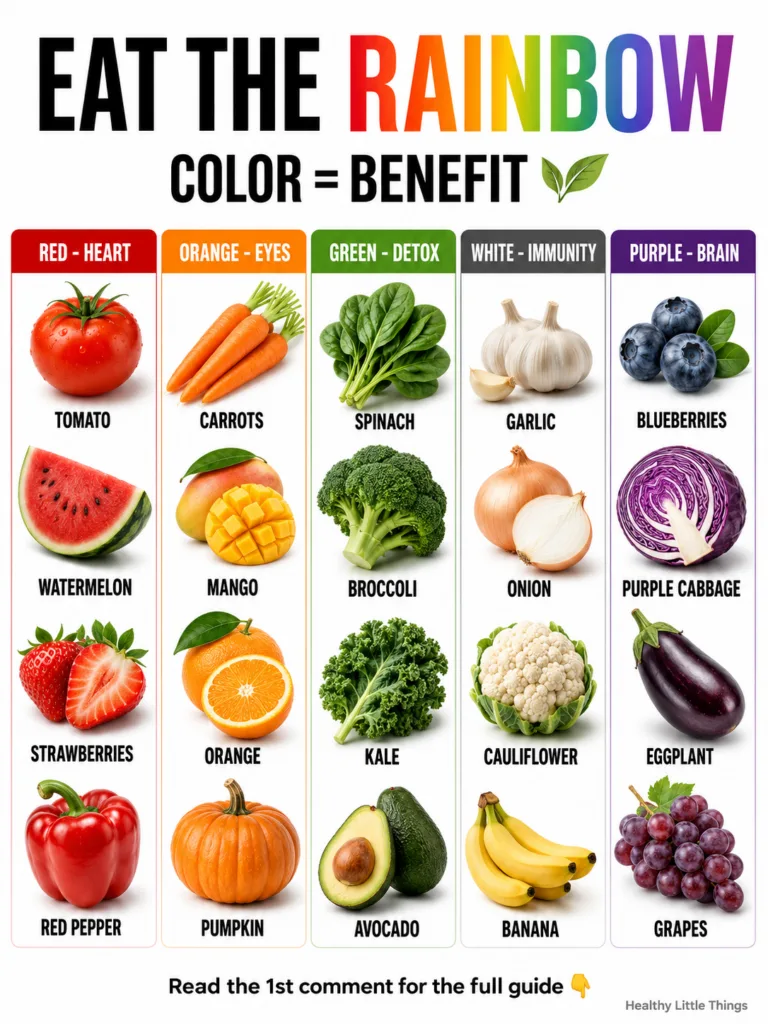
Red Foods: Supporting Your Heart Health
Red fruits and vegetables are often rich in powerful antioxidants, particularly lycopene and anthocyanins, which are well-known for their roles in cardiovascular health. These compounds may help protect cells from damage, support healthy blood pressure, and contribute to overall heart function.
- Tomato: A prime source of lycopene, which may contribute to heart health and antioxidant protection.
- Watermelon: Hydrating and contains citrulline, an amino acid that may support blood vessel health.
- Strawberries: Packed with vitamin C and anthocyanins, these berries may help support a healthy heart.
- Red Bell Pepper: An excellent source of vitamin C and other antioxidants, contributing to overall circulatory health.
Tips for Incorporating Red Foods
Add sliced tomatoes to salads, sandwiches, and pasta sauces. Enjoy watermelon as a refreshing snack or blend into smoothies. Strawberries are perfect in yogurt, oatmeal, or on their own. Red bell peppers can be stir-fried, roasted, or eaten raw with hummus.
Orange Foods: Nurturing Your Eye Health
Orange-hued foods are famous for their high content of beta-carotene, which the body converts into vitamin A. Vitamin A is crucial for maintaining good vision, especially in low light, and may help protect against age-related macular degeneration. These foods also often contain other beneficial antioxidants.
- Carrots: Loaded with beta-carotene, essential for healthy vision and skin.
- Sweet Potato: A delicious source of beta-carotene, fiber, and vitamin C.
- Oranges: Best known for their vitamin C content, which may support eye tissue health and immunity.
- Mango: Provides beta-carotene, vitamin C, and other antioxidants that may benefit eye health.
Tips for Incorporating Orange Foods
Enjoy raw carrot sticks as a snack. Roast sweet potatoes for a hearty side dish or add them to stews. Oranges make a refreshing snack, while mango can be added to smoothies, salsas, or fruit salads.
Green Foods: Boosting Your Body’s Natural Detoxification
Green leafy vegetables and other green produce are often rich in chlorophyll, fiber, vitamins (like K and C), and minerals. These nutrients may support the body’s natural detoxification processes, aid digestion, and provide essential antioxidants that help protect cells from environmental toxins.
- Spinach: A powerhouse of vitamins K, A, and C, and a good source of iron and antioxidants, supporting overall vitality.
- Broccoli: Contains sulforaphane, a compound that may support the body’s detoxification enzymes.
- Avocado: Rich in healthy fats, fiber, and essential vitamins and minerals, promoting digestive health.
- Cucumber: Highly hydrating and contains antioxidants, supporting kidney function and overall bodily fluid balance.
Tips for Incorporating Green Foods
Add spinach to smoothies, eggs, or pasta dishes. Steam or roast broccoli as a side. Enjoy avocado in salads, on toast, or as a creamy base for dressings. Cucumber is great in water, salads, or as a cooling snack.
White Foods: Strengthening Your Immunity
While not as visually flashy as other colors, white foods like garlic and onions are packed with powerful compounds, such as allicin and sulfur compounds, that are known for their potential immune-boosting properties. They often contain antioxidants and vitamins that contribute to a robust immune system.
- Garlic: Contains allicin, which has been studied for its immune-modulating properties.
- Onion: Rich in prebiotics and quercetin, an antioxidant that may support immune health.
- Mushrooms: Many varieties contain beta-glucans, compounds known to potentially enhance immune function.
- Banana: A good source of vitamin B6 and C, both of which play roles in immune system support, along with potassium for overall wellness.
Tips for Incorporating White Foods
Sauté garlic and onions as a base for almost any savory dish. Add sliced mushrooms to stir-fries, omelets, or pizzas. Bananas are a perfect grab-and-go snack, excellent in smoothies or sliced over cereal.
Purple Foods: Fueling Your Brain Power
Purple and blue foods owe their vibrant color to anthocyanins, a type of flavonoid antioxidant. These compounds are particularly noted for their potential to support cognitive function, memory, and overall brain health by protecting brain cells from oxidative stress and inflammation.
- Blueberries: Often called a “superfood” for their high antioxidant content, particularly anthocyanins, which may support brain health.
- Eggplant: Contains nasunin, an antioxidant found in the skin, which may help protect brain cell membranes.
- Red Cabbage: Rich in anthocyanins and vitamin C, supporting both brain health and antioxidant defenses.
- Grapes: Especially dark-skinned varieties, contain resveratrol and anthocyanins, linked to antioxidant and cognitive benefits.
Tips for Incorporating Purple Foods
Add blueberries to oatmeal, yogurt, or enjoy as a snack. Roast eggplant for a savory side dish. Incorporate thinly sliced red cabbage into salads or coleslaw. Grapes are a convenient and sweet snack, or can be added to fruit platters.
Final Thoughts
Embracing the “Eat the Rainbow” philosophy is a delicious and effective way to elevate your nutrition. By consciously including a wide spectrum of colorful fruits and vegetables in your daily meals, you’re not just adding visual appeal; you’re actively providing your body with a diverse array of essential nutrients, antioxidants, and compounds that support everything from your heart and eyes to your immune system and brain.
Make it a fun challenge to incorporate at least one item from each color category into your week. Your body will thank you for the vibrant nourishment!
Medical Disclaimer
The information provided in this article is for general knowledge and informational purposes only, and does not constitute medical advice. It is essential to consult with a qualified healthcare professional before making any decisions about your health or diet, especially if you have any medical conditions or are taking medications. Individual results may vary, and a balanced diet should always be part of a comprehensive wellness plan.