Unlock Months of Freshness: The Unexpected Secret to Storing Blueberries
Have you ever bought a generous punnet of fresh blueberries, only to find them soft or moldy in your fridge a few days later? It’s a common frustration, leading to food waste and a lighter wallet. But what if there was a simple, natural method to extend their vibrant freshness, keeping them delightful for weeks, even months?
Most people never realize this works because they overlook the power of proper preparation and a common household ingredient that acts as a gentle guardian. This isn’t about complex canning or specialized equipment; it’s about a resourceful approach that honors the natural goodness of these tiny, powerful berries.
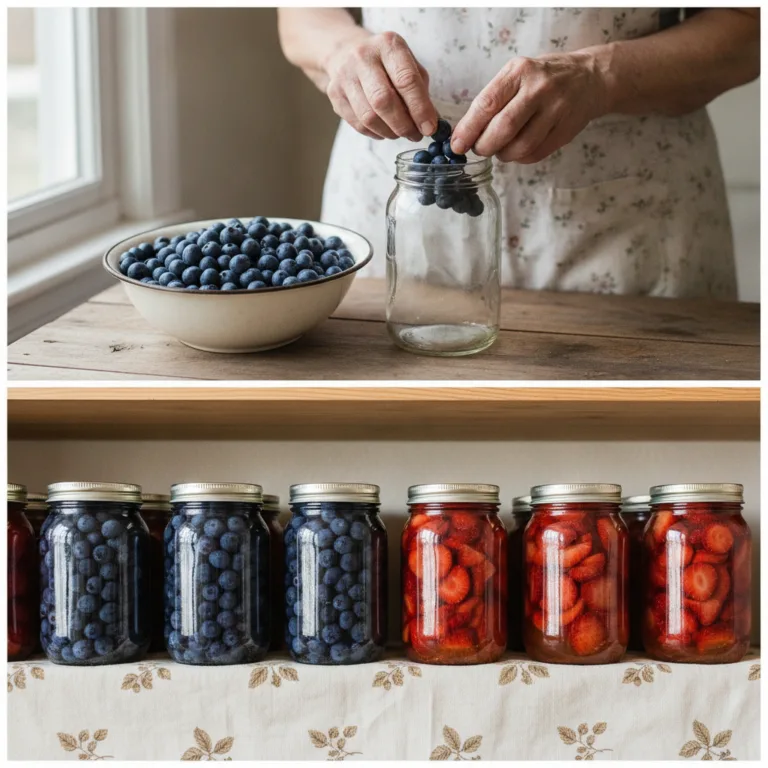
Ingredients
- Fresh, ripe blueberries (as many as you wish to preserve)
- 1 part white vinegar (e.g., 1/2 cup)
- 10 parts water (e.g., 5 cups)
- A large bowl or basin
- A colander
- Clean kitchen towels or paper towels
- Clean, dry glass jars with lids (mason jars are ideal)
How to Prepare
- Create the Washing Solution: In your large bowl, combine the white vinegar and water. This creates a mild cleansing bath for your berries.
- Gentle Berry Bath: Carefully place your fresh blueberries into the vinegar-water solution. Swirl them gently for about 30 seconds to a minute. Avoid crushing them.
- Rinse Thoroughly: Drain the blueberries into a colander and rinse them meticulously under cool running water for several minutes. Ensure all traces of vinegar scent are gone.
- Crucial Drying Step: This is perhaps the most important part. Spread the rinsed blueberries in a single layer on clean kitchen towels or paper towels. Allow them to air dry completely, or gently pat them dry. Any lingering moisture is an invitation for spoilage, so be patient – this could take 15-30 minutes.
- Jarring for Storage: Once absolutely dry, carefully transfer the blueberries into your clean, dry glass jars. Do not pack them too tightly; leave a little space for air circulation.
- Seal and Store: Seal the jars tightly with their lids.
How to Use + Best Time to Take
Your preserved blueberries are ready to be enjoyed as you would fresh ones! This method is designed to prolong their natural state, making them perfect for snacking, adding to cereals, yogurts, or oatmeal. They’re wonderful for baking into muffins or pies, or blending into smoothies. The best time to utilize these berries is when you’d typically reach for fresh ones, especially during off-seasons or when you want a readily available, healthy snack.
Why It Works (Science Insight)
This ingenious method hinges on a few key principles. The mild vinegar wash acts as a natural deterrent to mold and bacteria, the primary culprits behind berry spoilage. Vinegar’s acetic acid has gentle antimicrobial properties that help cleanse the berry surface without altering its flavor. The subsequent thorough drying is paramount; moisture creates an ideal environment for microbial growth, and eliminating it significantly extends shelf life. By placing the dry berries in sealed jars, you’re further protecting them from airborne contaminants and excess humidity in your refrigerator, slowing down the natural decay process. While this isn’t traditional canning for shelf-stable storage, it’s a remarkably effective way to maintain quality in refrigerated conditions.
Who Benefits Most
This trick is a boon for anyone who loves blueberries but struggles with their short shelf life. Home cooks looking to minimize food waste, budget-conscious shoppers aiming to buy in bulk, and health enthusiasts wanting a steady supply of antioxidant-rich berries will find this method incredibly useful. It’s also ideal for those living in areas where fresh berries are seasonal or expensive, allowing them to enjoy their benefits year-round.
Quick Notes / Safety / Simple Adjustments
It’s important to remember that this method extends the fresh quality of your blueberries for several weeks or even a couple of months when stored in the refrigerator; it is not a technique for shelf-stable, long-term preservation outside of refrigeration. Always check your berries before consumption. If you notice any signs of mold or an off smell, it’s best to discard them. This technique can also be adapted for other delicate berries like raspberries or blackberries, though very soft fruits might require even gentler handling during the drying phase. Always ensure all your equipment and hands are thoroughly clean to prevent contamination.