Grape leaves, often celebrated in culinary traditions for their unique flavor, also hold a place in age-old folk practices for natural beauty and well-being. Beyond their use in delicious meals, these versatile leaves have traditionally been explored in home remedies. This guide shares simple DIY methods to incorporate grape leaves into your natural beauty routine.
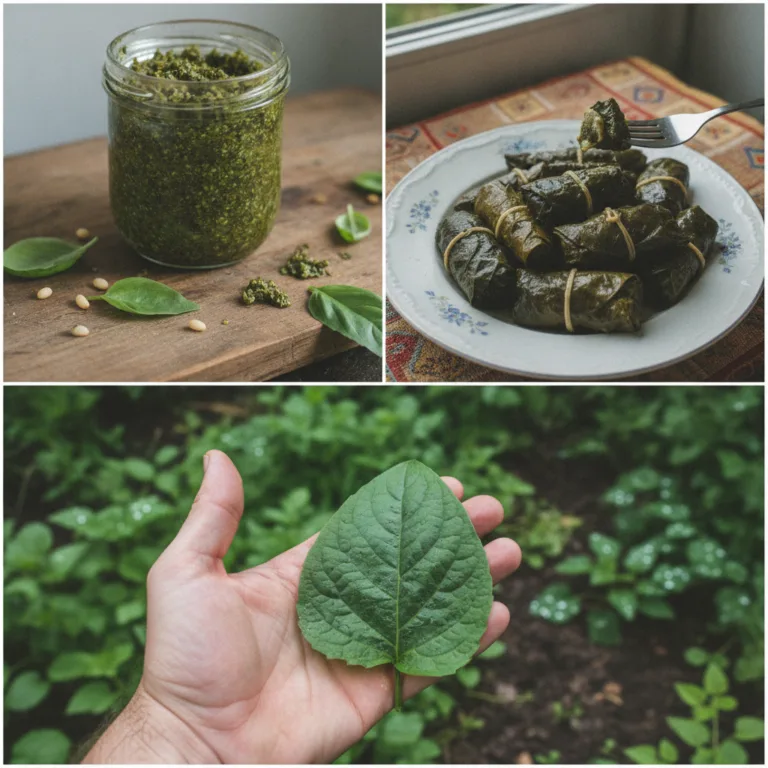
Quick Recipe: Soothing Grape Leaf Compress
This compress is traditionally used to help soothe tired or heavy-feeling legs and feet.
Prep time: 10 minutes
Best for: Soothing tired legs, general skin comfort
Use type: Topical compress
Main ingredients:
- Fresh grape leaves
- Warm water
Ingredients
- 10-12 fresh grape leaves (ensure they are pesticide-free)
- 2-3 cups warm water
How to Make It
- Gently rinse the fresh grape leaves under cool water to remove any dirt or residue.
- Lightly bruise the leaves by rolling them between your hands or gently crushing them to help release their natural compounds.
- Place the bruised grape leaves into a bowl.
- Pour the warm water over the leaves, ensuring they are fully submerged. Let them steep for about 5-7 minutes.
How to Use It
- Once the leaves have steeped, carefully remove them from the water. The water can also be used as a foot soak or a gentle rinse for the skin.
- Apply the warm, steeped grape leaves directly to areas like tired legs or feet.
- You can secure the leaves with a light cloth or bandage if needed, allowing them to remain in place for 15-20 minutes.
- Relax and allow the compress to work its soothing magic.
How Often to Use It
This grape leaf compress can be used as needed, typically 2-3 times a week, especially after a long day or when your legs feel fatigued. For a refreshing sensation, you can also use chilled steeped leaves.
Quick Recipe: Astringent Grape Leaf Face Rinse
This simple rinse is traditionally used to help refresh the skin and support a clearer-looking complexion.
Prep time: 15 minutes
Best for: Refreshing skin, promoting a clearer look
Use type: Topical rinse
Main ingredients:
- Fresh grape leaves
- Water
Ingredients
- 5-7 fresh grape leaves (ensure they are pesticide-free)
- 2 cups of water
How to Make It
- Rinse the grape leaves thoroughly under cool, running water.
- Place the leaves in a small saucepan with 2 cups of water.
- Bring the water to a gentle boil, then reduce heat and simmer for 10-15 minutes, allowing the water to absorb the properties of the leaves.
- Remove from heat and let the mixture cool completely.
- Strain the liquid into a clean bottle or jar, discarding the used leaves.
How to Use It
- After cleansing your face, apply the cooled grape leaf rinse using a cotton pad.
- Gently pat the liquid onto your skin, avoiding the eyes.
- Allow it to air dry, or lightly rinse with cool water after 5-10 minutes if preferred.
- Follow up with your usual moisturizer.
How Often to Use It
This astringent rinse can be used 2-3 times a week as part of your evening skincare routine. Observe how your skin responds and adjust frequency as needed.
Why These Ingredients Are Used
Grape Leaves
Grape leaves are a supportive herb rich in beneficial plant compounds. In traditional folk practices, they are often associated with properties that may help with a soothing sensation and contribute to a refreshed skin appearance. Their natural astringent qualities are thought to help tone and invigorate the skin.
What Results to Expect
Regular use of grape leaf home remedies, rooted in traditional practices, may help support the appearance of smoother, refreshed skin. The compress can offer a soothing sensation for tired legs, while the rinse may contribute to a clearer-looking complexion. These are natural supportive remedies and results can vary.
Safety Notes
Please note: This information is for traditional folk medicine purposes only and is not a substitute for professional medical advice. Always consult with a healthcare provider for any health concerns.
- Patch test first: Before applying any new topical remedy extensively, perform a patch test on a small, inconspicuous area of your skin to check for any allergic reactions or irritation.
- Use gently: Always apply remedies with a light touch, especially on sensitive facial skin.
- Avoid irritated or broken skin: Do not apply grape leaf remedies to skin that is cut, broken, or severely irritated.
- Stop using if discomfort occurs: If you experience any redness, itching, burning, or discomfort, discontinue use immediately.
- Pesticide-free leaves: Ensure that any grape leaves you use for remedies are fresh and free from pesticides or other chemical treatments.
- Not a Cure: These remedies are based on traditional practices and are not intended to diagnose, treat, cure, or prevent any disease.
FAQ
Can I use dried grape leaves for these remedies?
While fresh leaves are generally preferred for their potency in traditional remedies, dried grape leaves can sometimes be used. You may need to steep them for a longer period to extract their properties effectively.
Are there any specific types of grape leaves I should use?
Any common variety of grape leaves (Vitis vinifera) is generally suitable, as long as they are fresh and free from pesticides. Avoid leaves from ornamental grapevines that may not be safe for topical use.
Can I store the grape leaf rinse?
Yes, you can store the strained grape leaf rinse in a clean, airtight bottle in the refrigerator for up to 3-5 days. Always check for any signs of spoilage before use.
Final Thoughts
Incorporating grape leaves into your home beauty routine offers a nod to traditional practices and a simple way to explore natural wellness. With these easy recipes for a soothing compress and an astringent rinse, you can enjoy the potential benefits of this humble leaf. Remember to always prioritize safety and perform a patch test before regular use. For more natural beauty ideas, continue exploring our blog!