Say Goodbye to Bloat After Dinner! Discover This Simple Natural Soothing Elixir
Do you ever finish a delicious evening meal, only to find yourself feeling uncomfortably full, gassy, or swollen afterwards? That frustrating feeling of ‘bloat’ can turn a satisfying dinner into an evening of discomfort, making it hard to relax or even sleep peacefully. If this sounds familiar, you’re certainly not alone.
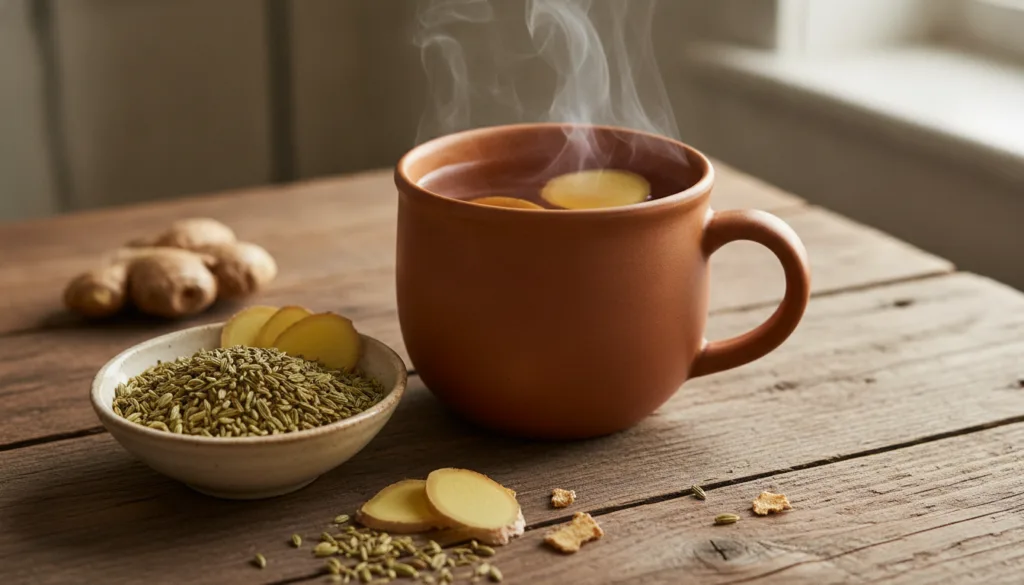
What if a truly simple, natural blend could be your secret weapon for a more peaceful, comfortable night? Imagine easing that post-dinner puffiness with ingredients you might already have in your pantry. Let’s explore how the humble yet mighty duo of fennel seeds and ginger, steeped in hot water, can gently soothe your stomach and help you bid farewell to that unwelcome bloat!
Why This Matters: Understanding Post-Dinner Bloat
That feeling of tightness or swelling in your abdomen after a meal isn’t just annoying; it can genuinely impact your quality of life. Bloating is incredibly common, often caused by gas building up in the digestive tract. This can happen for many reasons, from eating too quickly or consuming certain foods to digestive sensitivities or even stress.
Many people are increasingly turning to natural wellness solutions, seeking gentle yet effective ways to support their bodies without resorting to harsh chemicals or complicated routines. The appeal lies in working with nature, using ingredients traditionally revered for their soothing properties. Our ancestors intuitively understood the power of plants like fennel and ginger for digestive comfort, and modern science is beginning to catch up, shedding light on why these ancient remedies truly matter for our well-being.
The Dynamic Duo for Digestive Harmony: Fennel and Ginger
Let’s dive into the science-backed wisdom and traditional uses of these two incredible ingredients, and discover how they work together to bring you digestive peace.
Fennel Seeds: The Gentle Gas Reliever
For centuries, fennel seeds have been a beloved digestive aid in various cultures, often chewed after meals in Indian cuisine or steeped as a tea in Mediterranean traditions. Why? Because these small, aromatic seeds are powerhouse digestive allies.
- Traditional Use: Known for their carminative properties, meaning they help to expel gas from the intestines, relieving bloating and flatulence.
- Key Compounds: Fennel seeds contain a compound called anethole, which gives them their distinctive licorice-like flavor. Anethole, along with other volatile oils, may help relax the smooth muscles of the gastrointestinal tract, easing spasms and allowing gas to pass more easily.
- Potential Benefits: Beyond gas relief, fennel may help stimulate the production of digestive juices, further aiding the breakdown of food.
Ginger: The Soothing Root
Ginger, a spicy and warming root, is another ancient remedy celebrated worldwide for its wide array of health benefits, especially its remarkable impact on digestion.
- Traditional Use: Revered in traditional Chinese and Ayurvedic medicine for its ability to calm an upset stomach, alleviate nausea, and support overall digestive function.
- Key Compounds: Gingerols and shogaols are the primary bioactive compounds in ginger, responsible for its pungent flavor and many therapeutic effects.
- Potential Benefits: These compounds have anti-inflammatory and antioxidant properties. When it comes to digestion, ginger may help accelerate gastric emptying (how quickly food moves from the stomach to the small intestine), reducing the chances of food sitting too long and causing fermentation and gas. It’s also known to reduce intestinal cramping and muscle spasms.
The Synergy of Hot Water
While fennel and ginger do their heavy lifting, the hot water plays a crucial supporting role. Warm liquids can help relax the digestive muscles, stimulate blood flow to the digestive tract, and help dissolve food, facilitating easier passage through the system. This warmth also creates a comforting, soothing experience that can help ease overall tension, which often contributes to digestive upset.
Your Practical Guide: Crafting the Soothing Elixir
Ready to create your own bloat-busting drink? It’s incredibly simple!
Ingredients You’ll Need:
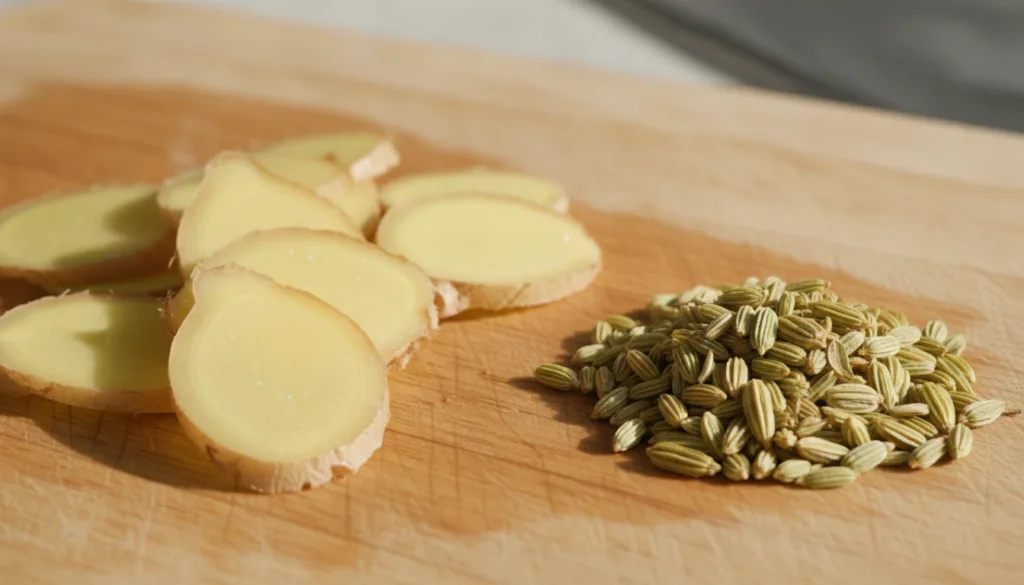
- 1 teaspoon whole fennel seeds
- 1-2 slices of fresh ginger (about the size of a quarter, or grated for stronger flavor)
- 1 cup hot water (just below boiling)
- Optional: A squeeze of lemon or a drizzle of raw honey for taste
Simple Steps to Prepare Your Elixir:
- Crush the Fennel: Lightly crush the fennel seeds with the back of a spoon or in a mortar and pestle to release their aromatic oils. This step isn’t strictly necessary but enhances the flavor and benefits.
- Combine: Place the crushed fennel seeds and ginger slices (or grated ginger) into a mug.
- Pour Hot Water: Pour the hot water over the ingredients.
- Steep: Cover the mug (to keep the volatile oils from escaping with the steam) and let it steep for 5-10 minutes. The longer you steep, the stronger the flavor and potency.
- Strain and Sip: Strain out the ginger and fennel seeds. Add a squeeze of lemon or a touch of honey if desired. Sip slowly and mindfully.
When to Enjoy:
For best results, aim to drink this soothing elixir about 20-30 minutes after your evening meal, or whenever you start to feel the first signs of discomfort. It’s a wonderful ritual to incorporate into your post-dinner wind-down routine.
Safety & Precautions: Listen to Your Body
While fennel and ginger are generally considered safe for most people, it’s always wise to be mindful and consult a healthcare professional, especially if you have existing health conditions or are on medication.
- Blood Thinners: Ginger may have mild blood-thinning effects. If you are on anticoagulant medications, consult your doctor before regular consumption.
- Allergies: Though rare, some individuals may be allergic to fennel or ginger. Discontinue use if you experience any adverse reactions.
- Pregnancy & Breastfeeding: While moderate amounts of ginger are often recommended for morning sickness, and fennel has traditional uses, it’s always best to consult your healthcare provider before using herbal remedies during pregnancy or while breastfeeding.
- Existing Medical Conditions: If you have conditions like gallstones, bleeding disorders, or are on medication, speak to your doctor to ensure this remedy is appropriate for you.
This elixir is intended to support natural digestion and comfort, not to replace medical advice or treatment for persistent or severe digestive issues.
Key Takeaways for a Bloat-Free Evening
- Post-dinner bloating is common but can be managed naturally.
- Fennel seeds may help relieve gas and relax digestive muscles.
- Ginger can aid digestion by accelerating gastric emptying and reducing spasms.
- Hot water supports relaxation and digestive flow.
- A simple tea made from these ingredients can be a gentle, effective remedy.
- Always consult a healthcare professional for specific concerns or if you are on medication.
FAQ: Your Questions Answered
How quickly can I expect this elixir to work?
Many people report feeling relief within 30 minutes to an hour after drinking the tea. Individual results can vary based on the cause and severity of your bloating.
Can I drink this fennel and ginger tea daily?
Yes, for most healthy individuals, drinking this tea daily after dinner is perfectly fine and can contribute to ongoing digestive comfort. However, always listen to your body and adjust as needed.
Are there other digestive benefits to this blend?
Beyond bloat relief, ginger is known for its anti-nausea properties and may help with overall stomach upset. Fennel can also stimulate appetite in some cases and support a healthy gut microbiome due to its fiber content (though much of this is filtered out in a tea).
What if I don’t like the taste of fennel?
The licorice-like taste of fennel can be strong for some. You can reduce the amount of fennel seeds, increase the ginger, or add a squeeze of lemon or a small amount of honey to balance the flavors. You might also find that freshly crushed seeds have a milder, sweeter flavor than pre-ground fennel.
Related Reading You Might Enjoy
If you’re interested in more natural ways to support your digestion and overall well-being, explore these articles:
- The Power of Probiotics: Nurturing Your Gut Microbiome
- Anti-Inflammatory Foods: Fueling Your Body Naturally
- Mindful Eating: Simple Practices for Better Digestion
- Herbal Teas for Everyday Wellness: Beyond Just Bloat Relief
- Why Fiber Matters: A Natural Path to Digestive Health