That familiar tickle in your throat, a hint of scratchiness that signals discomfort – we’ve all been there. Before you reach for synthetic solutions, have you ever considered turning to your herb garden or pantry for a gentle, time-honored remedy? Imagine a soothing sip that wraps your throat in natural comfort, offering a moment of calm amidst the irritation. It’s not just a pleasant thought; it’s a simple, natural approach that has stood the test of time.

Why This Matters: Embracing Nature’s Gentle Touch
In our fast-paced lives, throat discomfort can be a common nuisance, often brought on by seasonal changes, overuse of the voice, or simply dry air. Many of us instinctively reach for lozenges or sprays, but there’s a growing appreciation for remedies that work in harmony with our bodies, using ingredients we trust.
The allure of natural solutions like honey and sage lies in their simplicity and long history of traditional use. People are drawn to these remedies because they offer a gentle alternative, tapping into the wisdom of generations who relied on what nature provided. It’s about finding relief that feels wholesome and nurturing, without a long list of unfamiliar ingredients. This natural approach resonates deeply with those seeking to support their wellness journey with ingredients they can recognize and understand.
The Soothing Duo: Honey & Sage Unveiled
For centuries, both honey and sage have been celebrated in traditional medicine for their comforting properties. When combined, they create a potent yet gentle elixir perfectly suited for a scratchy, irritated throat.
Honey: Nature’s Golden Balm
Honey isn’t just a sweet treat; it’s a remarkable natural substance with a rich history in wellness. Its primary role in throat comfort comes from its demulcent properties. A demulcent is a substance that forms a soothing film over mucous membranes, providing relief from irritation and inflammation.
- Coating Effect: Honey’s thick, viscous texture coats the throat, reducing friction and irritation.
- Natural Humectant: It draws moisture from the air, helping to hydrate dry tissues.
- Antimicrobial Properties: Beyond soothing, some studies suggest honey possesses natural antibacterial qualities, which may help support overall throat health.
While often used traditionally, modern science continues to explore honey’s potential, particularly its role in soothing coughs and minor throat irritations. Raw, unfiltered honey is often preferred for its richer nutrient profile.
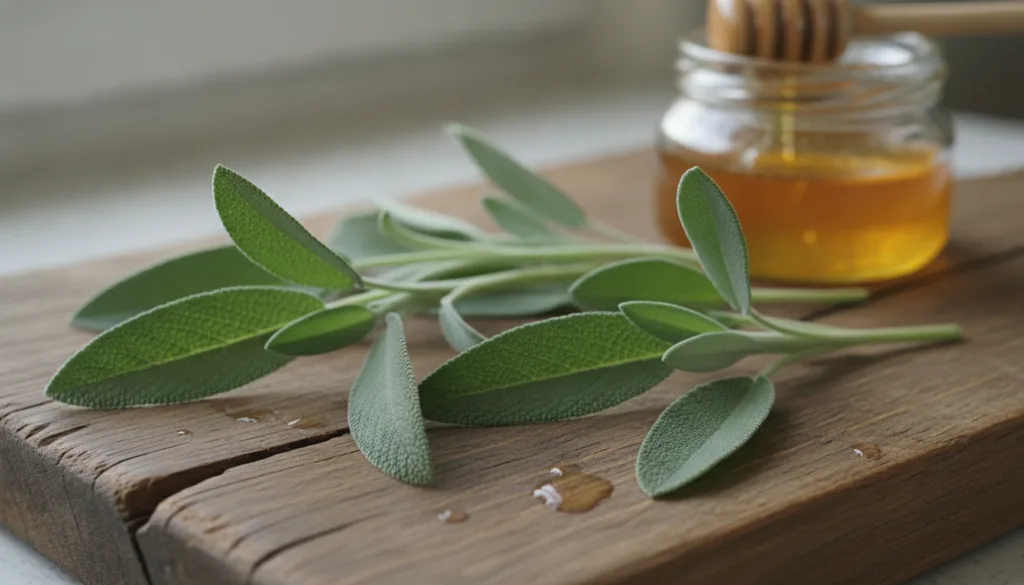
Sage: The Herb of Wellness
The name “sage” comes from the Latin word “salvere,” meaning “to save.” This ancient herb has been revered for its medicinal properties for thousands of years, particularly for ailments of the mouth and throat.
- Traditional Use: Sage has been traditionally used to relieve symptoms of sore throats, coughs, and oral inflammations.
- Active Compounds: It contains compounds like thujone, camphor, and rosmarinic acid, which contribute to its aromatic and potentially beneficial properties.
- Soothing Sensation: Sage offers a distinct, slightly peppery, and often perceived “cleansing” sensation that can feel very comforting to an irritated throat.
While much of the understanding of sage’s benefits comes from traditional herbalism, it continues to be a subject of interest in modern research for its various plant compounds and their effects on the body.
Your Practical Guide: Crafting the Honey & Sage Elixir
Making this soothing elixir is wonderfully simple, requiring just a few ingredients and a few minutes of your time. It’s a gentle ritual of self-care.
What You’ll Need:
- 1 cup hot water (not boiling)
- 1-2 tablespoons fresh sage leaves (about 5-10 small leaves or 2-3 large ones), lightly crushed
- 1-2 tablespoons raw, pure honey (adjust to taste)
- Optional: a squeeze of fresh lemon juice for added vitamin C and flavor
Step-by-Step Preparation:
- Heat the Water: Bring one cup of fresh water to a gentle simmer, but avoid a rolling boil. You want it hot enough to steep the sage, but not so hot that it degrades the delicate compounds in honey.
- Steep the Sage: Place the lightly crushed fresh sage leaves into a mug. Pour the hot water over the sage. Crushing the leaves slightly helps to release their beneficial oils and aroma.
- Infuse: Let the sage steep in the hot water for about 5-10 minutes. The longer it steeps, the stronger the sage flavor and potency.
- Strain: Remove the sage leaves from the water. You can use a small strainer or simply remove them with a spoon.
- Sweeten with Honey: Once the sage-infused water has cooled slightly (to a comfortably warm, not scalding, temperature), stir in the honey until it’s fully dissolved. Adding honey to very hot water can diminish some of its beneficial properties.
- Add Lemon (Optional): If desired, stir in a squeeze of fresh lemon juice.
- Sip and Soothe: Enjoy your warm honey and sage elixir, sipping it slowly to allow the soothing goodness to coat your throat.

Serving Suggestions & Frequency:
- Drink this elixir 2-3 times a day as needed for throat comfort.
- You can prepare a larger batch and store it in the refrigerator for up to 24 hours, gently reheating individual servings.
- For an extra boost, consider adding a pinch of ground ginger for its warming and anti-inflammatory properties.
Safety & Precautions: Listen to Your Body
While honey and sage are generally safe for most adults, it’s always wise to proceed with caution and be mindful of individual circumstances:
- Children Under One: Honey should never be given to infants under one year old due to the risk of infant botulism.
- Pregnancy and Breastfeeding: If you are pregnant or breastfeeding, consult your healthcare provider before regularly consuming sage in medicinal quantities, as large amounts are not typically recommended.
- Allergies: If you have known allergies to sage or bee products, avoid this elixir.
- Medical Conditions & Medications: If you have existing medical conditions (e.g., diabetes due to honey’s sugar content) or are taking medications (especially blood thinners or seizure medications, as sage can sometimes interact), consult your doctor before using herbal remedies regularly.
- Persistent Symptoms: This elixir is intended for minor, temporary throat discomfort. If your sore throat is severe, persistent, accompanied by a fever, difficulty swallowing, or other concerning symptoms, please consult a healthcare professional immediately.
Key Takeaways for Throat Comfort
- Honey and sage offer a traditional, natural way to soothe minor throat irritation.
- Honey acts as a demulcent, coating and hydrating the throat.
- Sage has a long history of traditional use for throat and mouth discomfort.
- Making the elixir is simple: steep fresh sage in hot water, then stir in honey once cooled slightly.
- Always be mindful of precautions, especially for infants, pregnant individuals, and those with underlying health conditions.
- For persistent or severe symptoms, seek medical advice.
FAQ: Your Questions Answered
Q: Can I use dried sage instead of fresh?
A: Yes, you can! Use about 1 teaspoon of dried sage leaves for a cup of water, as dried herbs are more concentrated than fresh ones. The flavor will be stronger, so adjust to your preference.
Q: How often can I drink this honey and sage elixir?
A: For temporary relief, you can typically drink 2-3 cups per day. However, it’s always best to listen to your body and discontinue if you experience any adverse reactions.
Q: Is this safe for children over one year old?
A: For children over one year old, small amounts of honey and sage tea are generally considered safe for soothing purposes. However, always consult with your pediatrician before introducing new herbal remedies to children, especially if they have existing health conditions.
Q: What else can I do to help a scratchy throat?
A: Besides the honey and sage elixir, staying well-hydrated with water and other warm beverages, gargling with salt water, resting your voice, and avoiding irritants like smoke can also help immensely.
Q: Does the temperature of the water matter when adding honey?
A: Yes, it does. For optimal benefits, allow the sage-infused water to cool to a comfortably warm, drinkable temperature (below 104°F or 40°C) before adding honey. Very hot water can diminish some of honey’s natural beneficial properties.
Related Reading: Continue Your Wellness Journey
If you enjoyed learning about the natural soothing power of honey and sage, you might also be interested in exploring these related topics on Natural Wellness By R:
- Boosting Your Immune System Naturally: Everyday Habits for Robust Health
- The Power of Herbal Teas: Beyond Just Hydration
- Anti-Inflammatory Foods: Fueling Your Body for Optimal Wellness
- Essential Kitchen Herbs for Everyday Health and Flavor