Is your mind running a marathon when it should be winding down? In our fast-paced world, finding moments of peace can feel like a luxurious challenge. Yet, sometimes, the most profound calm can be found in the simplest natural remedies, right in our own kitchens.
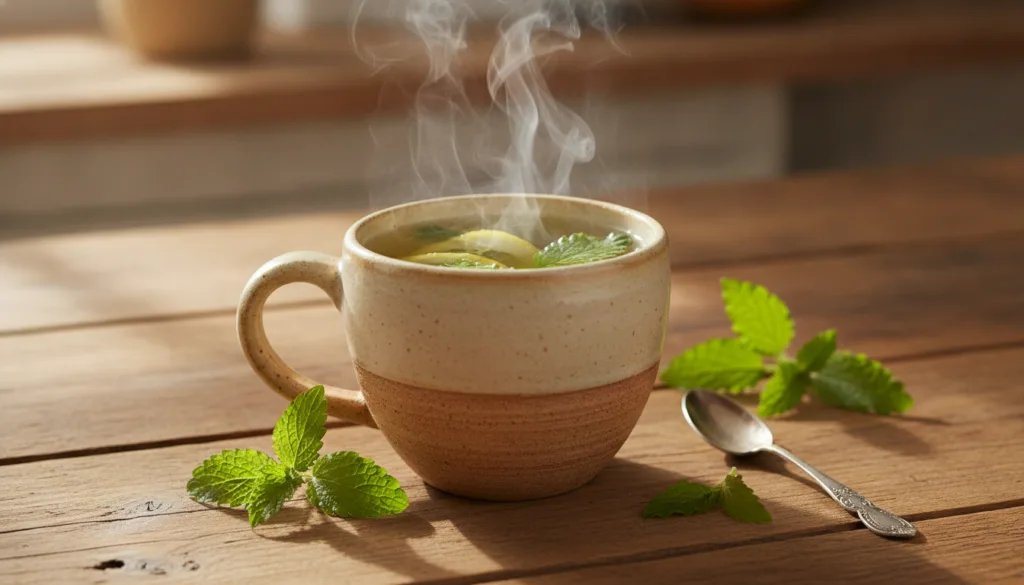
Imagine settling down with a warm mug of fragrant lemon balm tea, its subtle citrus notes mingling with a hint of earthy sweetness. It’s more than just a drink; it’s a gentle ritual, a moment of tranquility in every sip, designed to help you truly unwind and embrace a deeper sense of relaxation.
Why This Soothing Herb Matters for Modern Life
In today’s demanding world, stress and anxiety have become unwelcome companions for many. We’re constantly bombarded with information, deadlines, and responsibilities, making it harder than ever to quiet our minds and truly rest. This constant mental ‘on’ switch can disrupt sleep, affect digestion, and diminish our overall vitality.
Many people are increasingly turning to natural wellness solutions, seeking gentle yet effective ways to support their mental and emotional well-being without relying solely on synthetic options. Lemon balm, a humble herb with a rich history, has emerged as a popular choice for those looking to naturally ease tension and promote a sense of calm. Its popularity isn’t new; it has been cherished for centuries, and modern interest reflects a renewed appreciation for traditional wisdom in our quest for a balanced life.
Understanding the Gentle Power of Lemon Balm
What is Lemon Balm?
Lemon balm (Melissa officinalis) is a perennial herb from the mint family, native to South-Central Europe, North Africa, and West Asia. Its leaves, with their distinct lemony scent, have been used for thousands of years in traditional medicine for their calming and soothing properties.
Traditional Uses
- Calming & Relaxation: Traditionally, lemon balm has been steeped as a tea to alleviate nervousness, restlessness, and to encourage sleep.
- Digestive Support: It was also commonly used to ease digestive discomfort, bloating, and gas, often associated with stress.
- Mood Uplift: Folk remedies often turned to lemon balm to lift spirits and soothe melancholy.
Modern Scientific Understanding
While traditional wisdom has long celebrated lemon balm, modern science is beginning to uncover the ‘why’ behind its soothing effects. Researchers have identified several compounds within lemon balm that may contribute to its benefits:
- Rosmarinic Acid: This potent antioxidant is thought to play a key role in lemon balm’s calming effects. Some studies suggest it may help increase the availability of GABA (gamma-aminobutyric acid) in the brain. GABA is a neurotransmitter that helps regulate nerve excitability and promotes relaxation.
- Terpenes: Compounds like citronellal and citral, responsible for lemon balm’s distinctive aroma, are also believed to contribute to its tranquilizing properties.
- Eugenol: This compound may also contribute to its anxiolytic (anxiety-reducing) effects.
It’s important to remember that while some studies show promising results, more research is ongoing to fully understand lemon balm’s mechanisms of action and its full range of potential benefits. However, the combination of traditional use and emerging science makes it a compelling natural option for relaxation.
Your Practical Guide to Making Lemon Balm Tea
Making lemon balm tea is wonderfully simple, allowing you to quickly enjoy its calming embrace.
Ingredients:
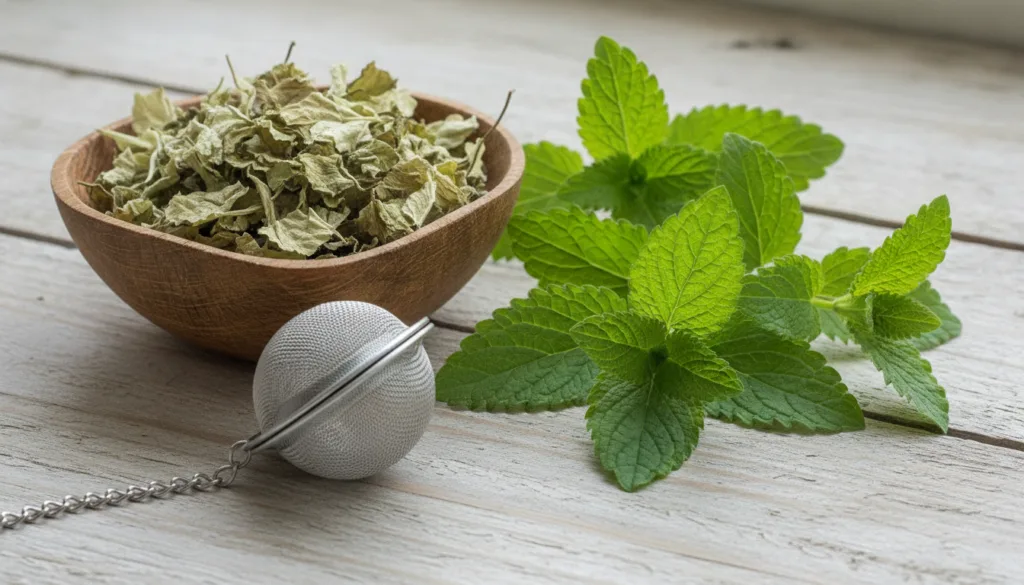
- 1-2 teaspoons of dried lemon balm leaves OR a small handful of fresh lemon balm leaves
- 8 ounces (1 cup) of hot water (just below boiling)
- Optional: A slice of lemon, a drizzle of honey, or a sprig of mint for added flavor.
Instructions:
- Prepare the Leaves: If using fresh leaves, gently bruise them to release their aromatic oils. If using dried, simply measure them out.
- Steep: Place the lemon balm leaves in a tea infuser or directly into your mug. Pour the hot water over the leaves.
- Cover & Infuse: Cover your mug (a saucer works perfectly) to prevent the volatile essential oils from escaping. Steep for 5-10 minutes. For a stronger brew, steep longer.
- Strain & Enjoy: Remove the infuser or strain the leaves. Add honey or lemon to taste, if desired.
Best Time to Enjoy:
Lemon balm tea is perfect any time you need a moment of calm. Many people find it especially beneficial in the late afternoon or evening to help unwind before bed, promoting restful sleep.
Storage:
Store dried lemon balm in an airtight container in a cool, dark place. Fresh lemon balm can be grown in your garden or kept in a vase of water on your counter for a few days.
Important Safety & Precautions
While lemon balm is generally considered safe for most people, it’s always wise to be mindful of potential interactions and individual sensitivities.
- Pregnancy & Breastfeeding: If you are pregnant or breastfeeding, consult your healthcare provider before consuming lemon balm tea regularly.
- Thyroid Conditions: Lemon balm may interact with thyroid hormones. If you have a thyroid condition, speak to your doctor before using it.
- Sedatives & Other Medications: Lemon balm may have a mild sedative effect. It could potentially enhance the effects of other sedatives or medications for anxiety or depression. Discuss with your doctor if you are on any prescribed medication.
- Allergies: Though rare, allergic reactions are possible. Discontinue use if you experience any adverse effects.
Always listen to your body, and when in doubt, consult with a trusted healthcare professional, especially if you have existing medical conditions or are taking medications.
Key Takeaways for a Calmer You
- Lemon balm is a traditional herb known for its calming and soothing properties.
- It may help reduce feelings of stress and promote relaxation, potentially aiding sleep.
- Compounds like rosmarinic acid are thought to contribute to its effects by interacting with neurotransmitters.
- Making lemon balm tea is simple and can be a wonderful part of your evening unwinding ritual.
- Always be aware of precautions, especially if pregnant, breastfeeding, or on medication, and consult a doctor if needed.
Frequently Asked Questions About Lemon Balm Tea
Can I drink lemon balm tea every day?
Yes, lemon balm tea can generally be enjoyed daily as part of a wellness routine. However, like any herbal remedy, it’s good to observe how your body responds and adjust frequency as needed. If you have specific health concerns, consult your doctor.
Does lemon balm tea help with sleep?
Many people find lemon balm tea helpful for promoting restful sleep due to its relaxing properties. It may help calm a busy mind, making it easier to drift off, but it’s not a strong sedative.
Can children drink lemon balm tea?
Lemon balm is often considered mild enough for children in small, diluted doses, particularly for mild agitation or bedtime rituals. However, it’s always best to consult with a pediatrician before giving any herbal remedies to children.
Is fresh or dried lemon balm better for tea?
Both fresh and dried lemon balm leaves make delicious and effective tea. Fresh leaves tend to have a brighter, more vibrant citrus flavor, while dried leaves offer convenience and a slightly more concentrated essence. The medicinal properties are present in both forms.
Are there any side effects of lemon balm tea?
Lemon balm tea is generally well-tolerated. Rare side effects might include mild digestive upset or headache. If you experience these, reduce your intake or discontinue use.
Explore More Natural Wellness Journeys
If you’re interested in the calming power of lemon balm, you might also enjoy exploring other natural paths to tranquility and well-being:
- Herbal Remedies for Stress Relief: Beyond Lemon Balm
- Creating a Mindful Evening Ritual for Better Sleep
- Understanding Adaptogens: Nature’s Stress Support
- Recipes for Soothing Digestive Health
- Essential Oils for Relaxation: A Beginner’s Guide