Unlock Your Hair’s Potential: DIY Rosemary Water – Herbal Wisdom for Luscious Locks
Have you ever dreamt of having hair that feels stronger, looks more vibrant, and simply radiates health? What if the secret to achieving those luscious locks was not hidden in an expensive salon product, but rather nestled in the humble leaves of a fragrant herb, right in your kitchen?
Today, we’re diving into the increasingly popular world of DIY rosemary water, a natural remedy many are embracing to nourish their roots and support stronger, more beautiful hair. It’s a testament to nature’s incredible ability to provide simple, yet effective, solutions for our wellness needs.
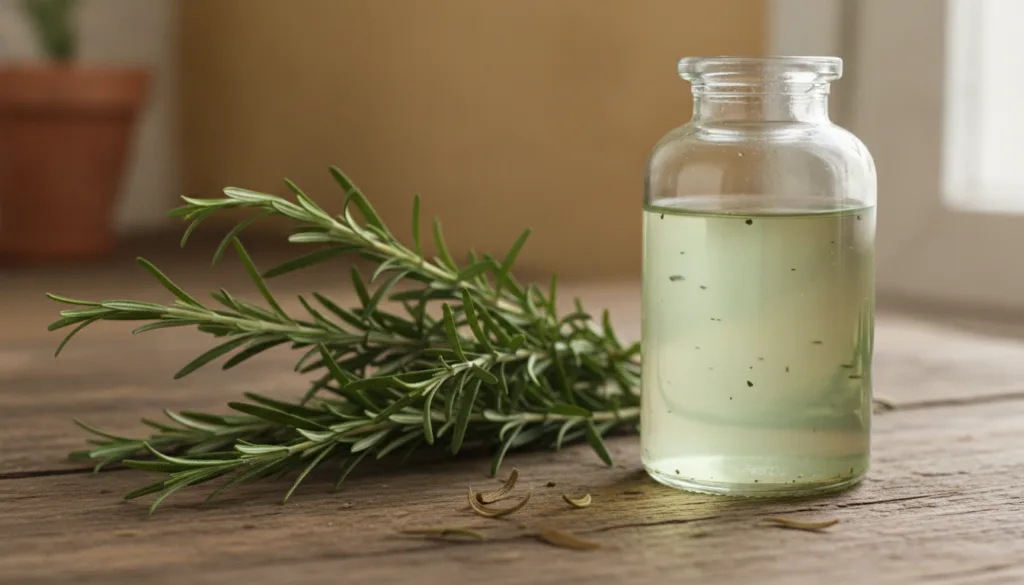
Why This Matters: The Natural Approach to Hair Health
In a world overflowing with chemical-laden hair care products, many of us are seeking a return to simpler, more natural solutions. The desire for healthy, resilient hair is universal, and common concerns like thinning, dullness, or a flaky scalp often lead people down a path of extensive research.
Rosemary water has surged in popularity because it taps into this desire for natural efficacy. It’s not just a trend; it’s a re-discovery of ancient herbal wisdom, backed by some modern understanding. People are drawn to it for its accessibility, affordability, and the promise of nurturing hair health from the roots up, without harsh ingredients. It offers an appealing alternative for those who prefer to create their own wellness rituals right at home.
The Magic of Rosemary: Understanding Its Hair-Boosting Power
So, what exactly makes rosemary so special for our hair? This aromatic herb, scientifically known as Rosmarinus officinalis, has been used for centuries in traditional medicine and culinary arts. Its secret lies in its rich composition of beneficial compounds.
Traditional Use
Historically, rosemary has been revered for its stimulating properties. Traditional healers used rosemary infusions and oils to improve circulation, particularly in topical applications to the scalp. It was believed to invigorate the scalp, thus encouraging hair growth and improving overall hair vitality.
Modern Scientific Understanding
While more research is always beneficial, some modern studies and observations lend support to rosemary’s traditional uses:
- Improved Scalp Circulation: Rosemary contains compounds like carnosic acid, which may help improve blood flow. Better circulation to the hair follicles means more nutrients and oxygen can reach them, potentially supporting stronger growth.
- Anti-Inflammatory Properties: Inflammation can hinder healthy hair growth. Rosemary possesses anti-inflammatory qualities that may help soothe an irritated scalp, creating a healthier environment for hair follicles.
- Antioxidant Power: Antioxidants combat free radical damage, which can impact hair health. Rosemary is rich in antioxidants, offering a protective boost to your scalp and strands.
- Potential for Hair Growth: Some studies suggest that rosemary oil, when applied topically, may be comparable to certain conventional hair growth treatments, particularly in addressing conditions like androgenetic alopecia. While rosemary water is a diluted form, its consistent use is thought to offer similar, albeit gentler, benefits.
It’s important to remember that while traditional uses are long-standing and some scientific understanding exists, results can vary, and rosemary water is best seen as a supportive measure for hair health, not a guaranteed cure for hair loss.
Your Practical Guide to Making DIY Rosemary Water
Ready to try this natural elixir? Making rosemary water at home is incredibly simple!
Ingredients & Equipment:
- A handful of fresh rosemary sprigs (about 4-5) or 2-3 tablespoons of dried rosemary
- 2-3 cups of distilled water
- A saucepan
- A fine-mesh sieve or cheesecloth
- A clean, airtight spray bottle or jar
Step-by-Step Preparation:
- Clean the Rosemary: If using fresh rosemary, gently rinse the sprigs under cool water to remove any dirt.
- Boil the Water: Pour the distilled water into your saucepan and bring it to a rolling boil.
- Add Rosemary: Once boiling, add the fresh or dried rosemary to the water.
- Simmer: Reduce the heat to low, cover the saucepan, and let it simmer for about 15-20 minutes. This allows the beneficial compounds to infuse into the water.
- Cool: Remove the saucepan from the heat and let the rosemary steep further as the mixture cools completely. This is crucial for maximum infusion.
- Strain: Once cooled, use a fine-mesh sieve or cheesecloth to strain the rosemary leaves from the water. Discard the solids.
- Store: Pour the strained rosemary water into your clean spray bottle or jar.
Usage Ideas & Tips:
- As a Scalp Rinse: After shampooing and conditioning, spray or pour rosemary water directly onto your scalp and gently massage it in. Do not rinse it out.
- Daily Scalp Spray: Use it as a leave-in treatment by spraying it directly onto your scalp daily, especially on areas where you want to encourage growth. You can do this on wet or dry hair.
- Hair Mist: Lightly mist your hair from roots to ends for added shine and a refreshing scent.
Storage:
Store your homemade rosemary water in the refrigerator. Due to its natural composition, it typically lasts for about 1-2 weeks. If you notice any unusual smell or discoloration, it’s best to discard it and make a fresh batch.
Frequency:
For best results, aim to use rosemary water 2-4 times a week. Consistency is key with natural remedies!
Beginner Tips:
- Patch Test: Before full application, spray a small amount on an inconspicuous area of your scalp to check for any sensitivity.
- Start Slow: If you have a sensitive scalp, start with a more diluted version or less frequent application.
- Combine with Scalp Massage: Enhance circulation by incorporating a gentle scalp massage whenever you apply the rosemary water.
Safety & Precautions: Listen to Your Body
While rosemary water is generally considered safe for most people, it’s always wise to exercise caution, especially when incorporating new remedies into your routine.
- Allergies: If you have known allergies to rosemary or other Lamiaceae family herbs (like mint, sage, or lavender), avoid using rosemary water.
- Sensitive Scalp: Some individuals with very sensitive scalps might experience mild irritation. If you notice itching, redness, or discomfort, discontinue use.
- Pregnancy & Breastfeeding: If you are pregnant or breastfeeding, it’s always best to consult with your healthcare professional before using any new herbal remedies, including rosemary water.
- Existing Medical Conditions: If you have any underlying scalp conditions, skin sensitivities, or are taking medications, discuss with your doctor before using rosemary water.
- Avoid Contact with Eyes: Rosemary water can be irritating if it gets into your eyes. Rinse thoroughly with water if this occurs.
Remember, natural remedies are powerful. When in doubt, always consult with a healthcare professional to ensure it’s suitable for your individual needs.
Key Takeaways for Healthy Hair with Rosemary
- Rosemary water is a simple, natural, and affordable DIY remedy for hair health.
- It leverages traditional herbal wisdom, supported by some modern understanding of its compounds.
- Potential benefits include improved scalp circulation, anti-inflammatory effects, and antioxidant protection, which may support hair growth and vitality.
- Making it at home involves a simple steeping and straining process.
- Consistency and proper storage are crucial for best results and to maintain freshness.
- Always perform a patch test and consult a healthcare professional if you have concerns, especially during pregnancy or with existing conditions.
FAQ: Your Rosemary Water Questions Answered
How long does it take to see results from rosemary water?
Results can vary greatly from person to person. With consistent use, some individuals may notice improvements in scalp health or hair texture within a few weeks, while others may take a few months to observe significant changes in growth or thickness. Patience is key with natural remedies.
Can rosemary water darken my hair?
Rosemary is sometimes used in natural rinses to enhance darker hair tones or cover grays, but its effect as a water rinse is typically very subtle and not permanent. It’s unlikely to drastically change your hair color, especially for lighter hair, but a mild darkening effect has been anecdotally reported by some.
Is rosemary water safe to use every day?
For most people, using rosemary water every day as a scalp tonic is generally safe. However, if you have a very sensitive scalp, starting with every other day or a few times a week might be better to assess your scalp’s reaction. Listen to your body and adjust frequency as needed.
Can I add essential oils to my rosemary water?
While you can, it’s generally recommended to use pure rosemary water first to see its effects. If you choose to add essential oils like peppermint or lavender, ensure they are high quality and properly diluted (a few drops per bottle) to avoid irritation, as essential oils are very potent.
Does rosemary water smell strong?
Homemade rosemary water will have a distinct herbal scent, but it’s generally not overpowering and tends to dissipate as your hair dries. If the smell is too strong for you, you can try reducing the amount of rosemary used or infusing it for a shorter period.
Explore More Natural Wellness with R
Embracing natural solutions for your hair is just one step on your wellness journey. We invite you to explore more of our insights into holistic living and herbal wisdom.
- The Power of Peppermint Oil for Scalp Health: Discover another invigorating herb for your hair.
- Nourishing Your Hair from Within: Best Foods for Healthy Locks: Learn how diet impacts your hair’s vitality.
- DIY Herbal Rinses for Shinier Hair: Expand your natural hair care repertoire with other botanical infusions.
- Understanding Natural Anti-Inflammatory Ingredients: Explore how natural compounds can soothe and heal your body.